

What is the shelf life of gaskets?
As a gasket supplier, I often encounter questions from customers regarding the shelf life of gaskets. Understanding the shelf life of gaskets is crucial for both suppliers and end - users, as it directly impacts the quality and performance of the products in which they are used.
Factors Affecting the Shelf Life of Gaskets
Material Composition
Gaskets are made from a variety of materials, including rubber, cork, metal, and composite materials. Each material has its own inherent characteristics that determine its shelf life. For example, rubber gaskets, such as Epdm Rubber Seal, are widely used due to their flexibility and sealing properties. However, rubber is susceptible to aging, which can be accelerated by factors like heat, oxygen, and ozone. Over time, rubber gaskets may harden, crack, or lose their elasticity, reducing their ability to form a proper seal.
On the other hand, metal gaskets, like those made of stainless steel or copper, are generally more resistant to environmental factors and have a longer shelf life. They are less likely to degrade over time, although they may still be affected by corrosion if exposed to certain chemicals or high - humidity environments.
Storage Conditions
The way gaskets are stored plays a significant role in determining their shelf life. Ideal storage conditions for gaskets include a cool, dry, and dark environment. High temperatures can accelerate the aging process of rubber gaskets, causing them to deteriorate more quickly. Exposure to direct sunlight can also lead to the breakdown of certain materials, especially those that are sensitive to ultraviolet (UV) radiation.
Humidity is another important factor. Excessive moisture can cause corrosion in metal gaskets and promote the growth of mold and mildew on rubber and other organic materials. It is recommended to store gaskets in sealed containers or packaging to protect them from moisture and dust.
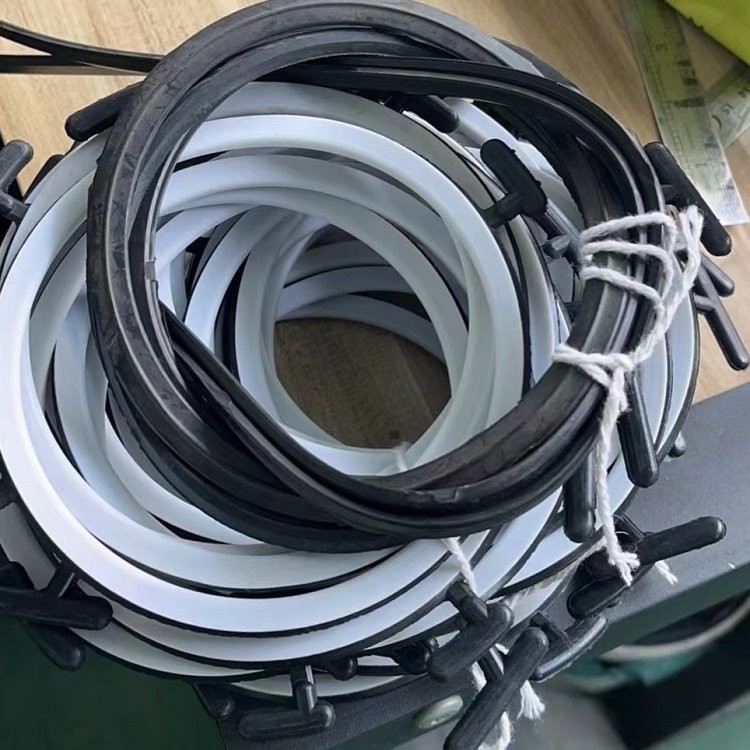

Chemical Exposure
Gaskets may come into contact with various chemicals during storage or use. Some chemicals can react with the gasket material, causing it to swell, shrink, or become brittle. For instance, certain solvents can dissolve rubber gaskets, while acids and alkalis can corrode metal gaskets. It is essential to store gaskets away from sources of chemical contamination and to ensure that they are compatible with the chemicals they will encounter in their intended application.
Typical Shelf Life of Different Types of Gaskets
Rubber Gaskets
Rubber gaskets, depending on the type of rubber and storage conditions, typically have a shelf life of 2 - 5 years. Natural rubber gaskets tend to have a shorter shelf life compared to synthetic rubbers like EPDM, neoprene, or nitrile. EPDM rubber gaskets, known for their excellent resistance to weathering and ozone, can last up to 5 years or more if stored properly. However, if they are exposed to high temperatures, sunlight, or chemicals, their shelf life may be significantly reduced.
Cork Gaskets
Cork gaskets are made from compressed cork material and are often used in low - pressure applications. They have a relatively short shelf life, usually around 1 - 2 years. Cork is a natural material that can absorb moisture and is prone to mold growth if not stored in a dry environment. Over time, cork gaskets may also lose their compressibility, making them less effective at sealing.
Metal Gaskets
Metal gaskets have the longest shelf life among common gasket materials. Stainless steel gaskets can last for decades if stored in a dry environment and protected from corrosion. Copper gaskets also have a long lifespan, although they may develop a patina over time, which is a natural oxidation process that does not necessarily affect their performance.
Testing and Quality Assurance
As a gasket supplier, we implement strict quality control measures to ensure that our gaskets meet the highest standards. Before shipping, we conduct various tests on our gaskets, including compression tests, leakage tests, and chemical compatibility tests. These tests help us determine the quality and performance of the gaskets and ensure that they are suitable for their intended applications.
We also provide detailed storage and handling instructions to our customers to help them maximize the shelf life of our gaskets. By following these guidelines, customers can ensure that the gaskets they purchase remain in good condition until they are ready to be used.
Importance of Shelf Life in the Industry
In industries such as automotive, aerospace, and manufacturing, the performance of gaskets is critical to the proper functioning of equipment and machinery. Using gaskets that have exceeded their shelf life can lead to leaks, reduced efficiency, and even equipment failure. For example, in a Plate Heat Exchanger Gasket, a worn - out gasket can cause fluid leakage, which can affect the heat transfer efficiency and potentially damage the heat exchanger.
In the food and beverage industry, gaskets must maintain their integrity to prevent contamination. Using gaskets with a compromised shelf life can pose a risk to product safety and quality. Therefore, it is essential for companies to be aware of the shelf life of gaskets and to replace them regularly to ensure the reliability and safety of their operations.
Conclusion
In conclusion, the shelf life of gaskets depends on various factors, including material composition, storage conditions, and chemical exposure. As a gasket supplier, we are committed to providing high - quality gaskets with a reasonable shelf life. By understanding the factors that affect shelf life and following proper storage and handling procedures, customers can ensure that our gaskets perform effectively and reliably in their applications.
If you are in need of high - quality gaskets for your industry, whether it's Plate Heat Exchanger Gasket, Heat Exchanger Gasket, or Epdm Rubber Seal, we would be delighted to assist you. Feel free to reach out to us for more information and to start a procurement discussion. We are here to provide you with the best gasket solutions tailored to your specific needs.
References
- ASTM International. "Standard Test Methods for Rubber Property - Effect of Liquids." ASTM D471.
- Rubber Manufacturers Association (RMA). "Rubber Product Design Manual."
- ASME Boiler and Pressure Vessel Code. Section VIII, Division 1.