

Hey there! I'm a supplier of Heat Exchanger Gasket, and I've seen firsthand how improper storage can mess up these little guys. Heat exchanger gaskets are crucial components in a wide range of applications, from industrial processes to HVAC systems. They play a vital role in ensuring the efficient and leak - free operation of heat exchangers. But if you don't store them right, you could end up facing leaks, inefficiencies, and costly replacements. So, let's dive into how to store heat exchanger gaskets properly.
Understanding Heat Exchanger Gaskets
First off, let's talk a bit about what heat exchanger gaskets are. These are seals that are used to prevent the leakage of fluids or gases between the plates of a heat exchanger. They come in various materials, such as rubber, asbestos (although its use has been restricted due to health concerns), graphite, and PTFE. Each material has its own set of properties, advantages, and limitations, and these factors influence how you should store them.
For example, NBR Gasket, which are made of Nitrile Butadiene Rubber, are known for their excellent resistance to oils, fuels, and other petroleum - based products. But they can be sensitive to ozone, sunlight, and high temperatures. So, their storage requirements are different from, say, a graphite gasket, which is more resistant to high temperatures and chemicals.
Ideal Storage Conditions
Temperature
One of the most important factors in storing heat exchanger gaskets is temperature. Most gaskets should be stored in a cool environment, away from direct heat sources. High temperatures can cause the gasket material to expand, lose its elasticity, and even degrade over time. For rubber gaskets, a temperature range of around 10°C - 25°C (50°F - 77°F) is generally ideal.
If you store gaskets in a place that's too hot, like near a furnace or in a sun - exposed shed, the rubber can become brittle. This means that when you try to install it, it might crack or break, rendering it useless. On the other hand, extremely low temperatures can also be a problem. Cold temperatures can make the gasket material stiff, and it may not form a proper seal when installed.
Humidity
Humidity is another key consideration. Gaskets should be stored in a dry environment. High humidity can cause corrosion, especially for gaskets that have metal components or are in contact with metal parts. Moisture can also promote the growth of mold and mildew, which can damage the gasket material.
A relative humidity level of around 40% - 60% is a good target. You can use a dehumidifier to control the humidity in a storage area if necessary. Avoid storing gaskets in basements or areas prone to flooding, as these places often have high humidity levels.
Sunlight and UV Exposure
Sunlight and ultraviolet (UV) radiation can have a detrimental effect on many gasket materials, especially rubber. UV rays can cause the rubber to degrade, causing it to become dry, cracked, and less elastic. So, it's important to store gaskets in a dark place, away from direct sunlight.
If you have to store gaskets in a warehouse with windows, make sure they're covered with curtains or blinds to block the sunlight. You can also use opaque storage containers to keep the gaskets protected.
Storage Containers and Shelving
Containers
Using the right storage containers is essential for protecting heat exchanger gaskets. You can use plastic bags, plastic containers, or cardboard boxes. Plastic bags are a simple and cost - effective option, but make sure they're sealed properly to prevent dust, dirt, and moisture from getting in.
Plastic containers offer better protection. They're more durable and can be stacked easily. Look for containers with tight - fitting lids. Cardboard boxes can also work, but they're more vulnerable to damage from moisture and pests. If you use cardboard boxes, make sure they're stored off the floor and in a dry area.
Shelving
How you store your gaskets on the shelves also matters. Gaskets should be stored flat or hung vertically, depending on their shape and size. Avoid stacking gaskets too tightly on top of each other, as this can cause deformation.
For flat gaskets, you can stack them in a flat position, but use dividers to keep them separated. This way, you can easily access the gaskets you need without having to dig through a pile. For gaskets with a more complex shape or those that are pre - formed, hanging them vertically on hooks or in specially designed racks can be a good idea. This prevents them from getting misshapen.
Handling and Inspection
Handling
When handling heat exchanger gaskets, it's important to be gentle. Avoid touching the sealing surface of the gasket with your bare hands, as the oils and dirt on your skin can contaminate the surface and affect its sealing performance. Use gloves made of materials like latex or nitrile when handling gaskets.
Also, be careful not to bend or twist the gaskets during storage or handling. Gaskets are designed to be in a specific shape, and any deformation can lead to a poor seal when installed.
Inspection
Regularly inspect your stored gaskets. Check for signs of damage, such as cracks, tears, or discoloration. If you notice any of these issues, the gaskets may not be suitable for use and should be discarded.
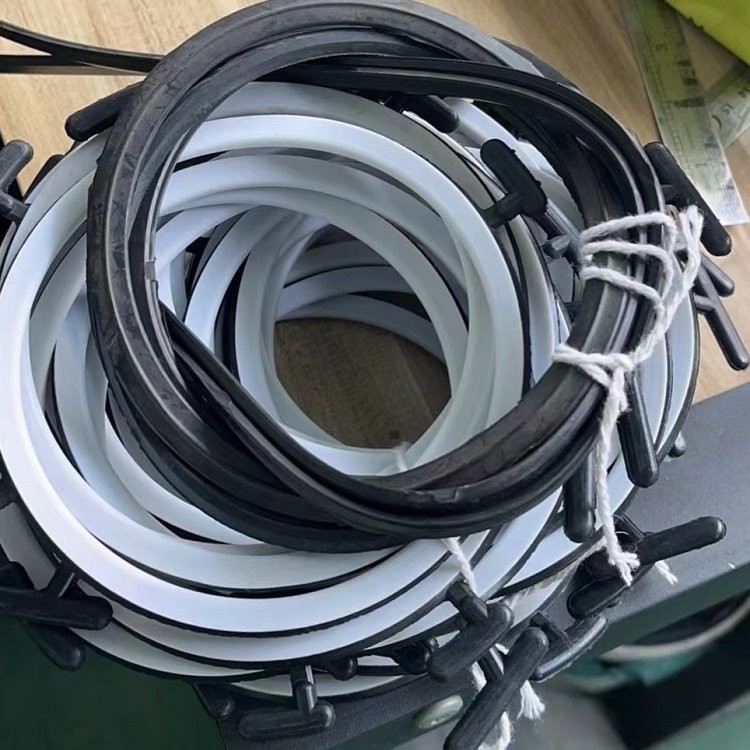
Inspecting the gaskets also gives you an opportunity to ensure that the storage conditions are still appropriate. For example, if you notice that the gaskets are starting to show signs of moisture damage, it might be time to adjust the humidity level in the storage area.
Long - Term Storage
If you need to store heat exchanger gaskets for an extended period, there are some additional considerations. You may want to use a preservation coating or wrap on the gaskets. This can help protect the gasket material from environmental factors over time.
Before long - term storage, make sure the gaskets are clean and dry. Any dirt or moisture left on the gaskets can accelerate the degradation process. Also, label the storage containers with the type of gasket, the date of storage, and any other relevant information. This makes it easier to keep track of the gaskets and ensure that you use the oldest ones first.
Conclusion
Properly storing heat exchanger gaskets is essential for maintaining their performance and longevity. By controlling the temperature, humidity, and exposure to sunlight, using the right storage containers and shelving, handling the gaskets carefully, and conducting regular inspections, you can ensure that your gaskets are in good condition when it's time to use them.
As a Heat Exchanger Gasket supplier, I'm always here to help you with any questions you may have about gasket storage or any other aspect of heat exchanger gaskets. Whether you're in the market for NBR gaskets, or any other type of heat exchanger gasket, I'm ready to assist you in finding the right product for your needs. If you're interested in purchasing high - quality heat exchanger gaskets, don't hesitate to get in touch with me. Let's have a chat about your requirements and work together to find the best solutions.
References
- "Handbook of Sealing Technology", Macmillan Publishing Company
- "Seals and Sealing Handbook", Elsevier Science