

Hey there! As a gasket supplier, I've seen firsthand how important it is to keep gaskets clean. Gaskets play a crucial role in various applications, from sealing pipes to ensuring the proper functioning of heat exchangers. Over time, gaskets can accumulate dirt, debris, and even chemical residues, which can affect their performance and lifespan. So, what's the best way to clean gaskets? Let's dive in and find out.
Why Cleaning Gaskets Matters
Before we get into the cleaning methods, let's talk about why it's so important to keep gaskets clean. First of all, a dirty gasket can lead to leaks. When dirt and debris build up on the gasket surface, it can prevent a proper seal from forming, allowing fluids or gases to escape. This not only wastes resources but can also be a safety hazard in some applications.
Secondly, cleaning gaskets can extend their lifespan. By removing contaminants, you can prevent premature wear and tear, which means you won't have to replace your gaskets as often. This can save you money in the long run and reduce downtime for maintenance.
Assessing the Gasket Material
The first step in cleaning gaskets is to determine the type of material they're made of. Different materials require different cleaning methods, so it's important to know what you're dealing with. Some common gasket materials include rubber, silicone, cork, and metal.
- Rubber Gaskets: Rubber gaskets are one of the most common types of gaskets. They're flexible, durable, and resistant to many chemicals. To clean rubber gaskets, you can use a mild soap and water solution. Avoid using harsh chemicals or abrasive cleaners, as these can damage the rubber.
- Silicone Gaskets: Silicone gaskets are known for their high temperature resistance and flexibility. They're also resistant to many chemicals and UV rays. To clean silicone gaskets, you can use a silicone-safe cleaner or a mild soap and water solution. Avoid using solvents or abrasive cleaners, as these can damage the silicone.
- Cork Gaskets: Cork gaskets are made from natural cork and are often used in low-pressure applications. They're relatively soft and porous, which means they can absorb dirt and moisture easily. To clean cork gaskets, you can use a soft brush and a mild soap and water solution. Avoid using excessive water, as this can cause the cork to swell and lose its shape.
- Metal Gaskets: Metal gaskets are used in high-pressure and high-temperature applications. They're usually made from materials like stainless steel, copper, or aluminum. To clean metal gaskets, you can use a degreaser or a metal cleaner. Be sure to follow the manufacturer's instructions and rinse the gaskets thoroughly after cleaning.
Cleaning Methods
Once you've determined the type of gasket material, you can choose the appropriate cleaning method. Here are some common cleaning methods for gaskets:
Manual Cleaning
Manual cleaning is the most basic and straightforward method of cleaning gaskets. It involves using a soft brush, cloth, or sponge to remove dirt and debris from the gasket surface. This method is suitable for small gaskets or gaskets with light contamination.
- Soft Brush: A soft brush, such as a toothbrush or a paintbrush, can be used to gently scrub the gasket surface. This is especially useful for removing dirt and debris from hard-to-reach areas.
- Cloth or Sponge: A clean cloth or sponge can be used to wipe the gasket surface. You can dampen the cloth or sponge with a mild soap and water solution or a cleaning solvent, depending on the gasket material.
Ultrasonic Cleaning
Ultrasonic cleaning is a more advanced method of cleaning gaskets. It involves using high-frequency sound waves to create tiny bubbles in a cleaning solution. These bubbles implode on the gasket surface, removing dirt and debris. This method is suitable for gaskets with heavy contamination or gaskets that require a deep clean.
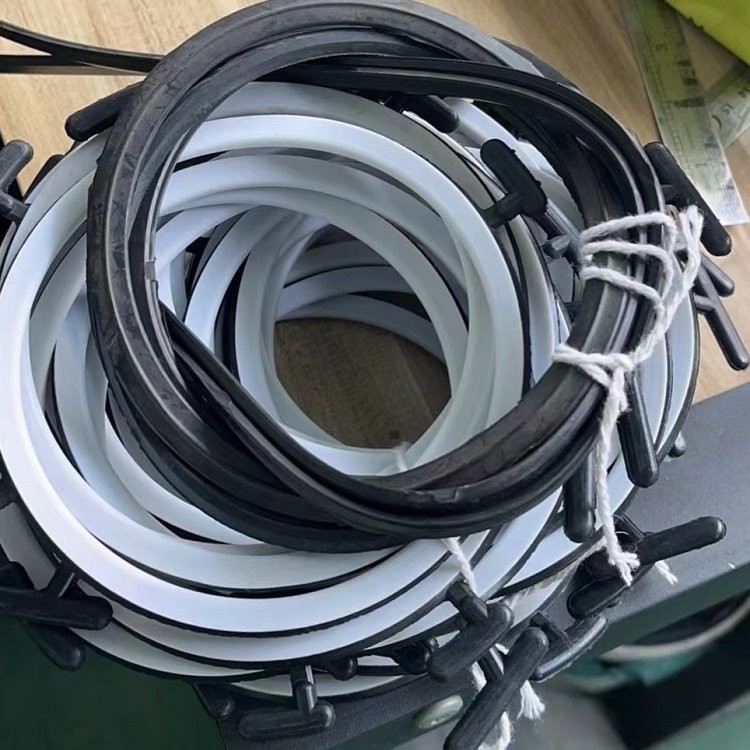
- Ultrasonic Cleaner: An ultrasonic cleaner is a machine that uses high-frequency sound waves to clean gaskets. You'll need to fill the cleaner with a suitable cleaning solution and place the gaskets in the tank. The cleaner will then generate the sound waves, which will clean the gaskets in a matter of minutes.
- Cleaning Solution: The cleaning solution you use will depend on the gasket material. For rubber and silicone gaskets, you can use a mild soap and water solution or a silicone-safe cleaner. For metal gaskets, you can use a degreaser or a metal cleaner.
Chemical Cleaning
Chemical cleaning involves using chemicals to remove dirt and debris from the gasket surface. This method is suitable for gaskets with heavy contamination or gaskets that are resistant to other cleaning methods. However, it's important to use chemicals carefully, as they can be hazardous to your health and the environment.
- Cleaning Solvents: There are many different types of cleaning solvents available, each designed for a specific type of gasket material. For example, you can use a petroleum-based solvent to clean rubber gaskets, or a citrus-based solvent to clean metal gaskets. Be sure to follow the manufacturer's instructions and wear appropriate protective gear when using cleaning solvents.
- Acids and Bases: In some cases, you may need to use acids or bases to clean gaskets. For example, you can use hydrochloric acid to clean metal gaskets that are contaminated with rust or scale. However, acids and bases can be very corrosive, so it's important to use them with extreme caution.
Drying and Reinstalling the Gaskets
After cleaning the gaskets, it's important to dry them thoroughly before reinstalling them. This will prevent moisture from causing corrosion or other damage to the gaskets. You can use a clean cloth or a hair dryer on a low setting to dry the gaskets.
Once the gaskets are dry, you can reinstall them. Be sure to follow the manufacturer's instructions and use the appropriate tools and techniques. If you're not sure how to reinstall the gaskets, you can consult a professional or refer to the equipment manual.
Conclusion
Cleaning gaskets is an important part of maintaining their performance and lifespan. By following the tips and methods outlined in this blog post, you can keep your gaskets clean and in good condition. Remember to always assess the gasket material before cleaning, choose the appropriate cleaning method, and dry the gaskets thoroughly before reinstalling them.
If you're in the market for high-quality gaskets, we've got you covered. We offer a wide range of gaskets, including Heat Exchanger Gasket, Heat Exchanger Gasket, and Plate Heat Exchanger Gasket. Our gaskets are made from the highest quality materials and are designed to meet the needs of various industries.
If you have any questions or would like to discuss your gasket needs, please don't hesitate to contact us. We're here to help you find the best gaskets for your application and provide you with the support you need.
References
- "Gasket Cleaning and Maintenance Guide" by ABC Gasket Company
- "Ultrasonic Cleaning for Gaskets" by XYZ Ultrasonic Cleaners
- "Chemical Cleaning of Gaskets" by DEF Chemicals