

Hey there! As a gasket supplier, I've been in the game for quite a while, and I often get asked, "What's the best gasket material for gas applications?" Well, that's what I'm gonna dive into today.
First off, let's understand why picking the right gasket material for gas applications is so crucial. Gas systems operate under various conditions - different pressures, temperatures, and the type of gas matters a lot too. A lousy gasket can lead to leaks, which not only waste gas but can also be a safety hazard. So, choosing the right one is a big deal.
One of the most common gasket materials you'll come across is rubber. Rubber gaskets are great because they're flexible and can form a tight seal. They're also relatively inexpensive. But not all rubber is created equal. For gas applications, materials like Nitrile Butadiene Rubber (NBR) are a popular choice. NBR has good resistance to oil, fuel, and many gases. It can handle a decent range of temperatures, usually from -40°F to about 250°F. So, if your gas system isn't operating at extremely high or low temperatures, NBR could be a good fit.
Another type of rubber is EPDM (Ethylene Propylene Diene Monomer). EPDM is known for its excellent resistance to weathering, ozone, and many chemicals. It can handle a wide range of temperatures, from -60°F to around 300°F. If your gas application involves exposure to outdoor elements or you're dealing with gases that are chemically reactive, EPDM might be the way to go. You can find high - quality EPDM gaskets for your gas systems, and some are specifically designed for Plate Heat Exchanger Gasket applications.
Now, let's talk about graphite. Graphite gaskets are super popular in high - temperature and high - pressure gas applications. Graphite has excellent thermal conductivity and can withstand very high temperatures, often up to 1000°F or more. It also has good chemical resistance. Graphite gaskets are usually made by compressing graphite sheets. They can be used in a variety of gas systems, including those in the oil and gas industry. However, they can be a bit more expensive compared to rubber gaskets. But if you need a gasket that can handle extreme conditions, the cost might be worth it.
Then there's PTFE (Polytetrafluoroethylene). PTFE is well - known for its non - stick properties, but it's also a great gasket material. It has excellent chemical resistance, which means it can handle a wide variety of gases, including corrosive ones. PTFE can operate in a temperature range from - 40°F to about 500°F. It's also very flexible, which helps it form a good seal. You can find PTFE gaskets in many gas applications, and they're especially useful in systems where chemical compatibility is a major concern. Some PTFE gaskets are also used in Heat Exchanger Gasket setups.
Metallic gaskets are another option. They're typically used in high - pressure and high - temperature gas systems. Materials like stainless steel, copper, and aluminum are commonly used to make metallic gaskets. Stainless steel gaskets are very durable and can handle high pressures and a wide range of temperatures. Copper gaskets have good thermal conductivity and are often used in applications where heat transfer is important. Aluminum gaskets are lightweight and have good corrosion resistance. However, metallic gaskets can be more difficult to install compared to rubber or graphite gaskets, and they may require more precise surface finishes on the mating parts.
When choosing the best gasket material for your gas application, you also need to consider the pressure of the gas system. High - pressure systems will require a gasket material that can withstand the force without deforming or leaking. For example, in a high - pressure natural gas pipeline, a metallic or graphite gasket might be more suitable than a rubber gasket.
The temperature of the gas is another critical factor. If the gas is very hot, a rubber gasket might not be able to handle it and could start to break down. On the other hand, if the gas is extremely cold, some materials might become brittle and lose their sealing properties.
The type of gas itself is also important. Some gases are corrosive, and you'll need a gasket material that can resist corrosion. For example, if you're dealing with chlorine gas, you'll want a gasket made from a material like PTFE or a specific type of rubber that can handle its corrosive nature.
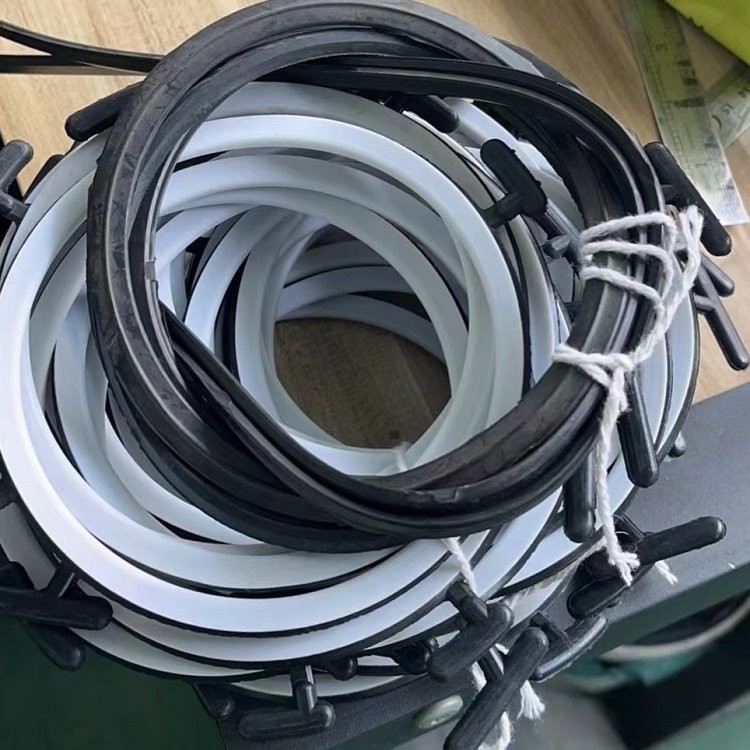

Let's not forget about the installation process. Some gasket materials are easier to install than others. Rubber gaskets are generally pretty straightforward to install. You just need to make sure the surfaces are clean and dry, and then you can place the gasket in position and tighten the bolts. Graphite and metallic gaskets may require more careful handling and precise installation to ensure a proper seal.
In addition to the basic properties of the gasket material, you also need to think about the long - term performance. How long will the gasket last? Will it need to be replaced frequently? A high - quality gasket might cost more upfront but could save you money in the long run by reducing the need for frequent replacements and minimizing downtime due to leaks.
As a gasket supplier, I've seen firsthand how the wrong gasket material can cause all sorts of problems. That's why I always recommend doing your research and consulting with experts if you're not sure which material is best for your gas application. We offer a wide range of gaskets made from different materials, and we can help you find the right one for your specific needs. Whether you're looking for a gasket for a Heat Exchanger Gasket or any other gas system, we've got you covered.
If you're in the market for gaskets for your gas applications, don't hesitate to reach out. We can discuss your requirements in detail and help you make an informed decision. We understand that every gas system is unique, and we're committed to providing you with the best gasket solutions.
In conclusion, there's no one - size - fits - all answer to the question of the best gasket material for gas applications. It depends on a variety of factors like pressure, temperature, type of gas, and installation requirements. Rubber, graphite, PTFE, and metallic gaskets all have their own advantages and are suitable for different situations. So, take the time to evaluate your needs and choose the gasket material that will give you the best performance and reliability.
If you have any questions or want to start a conversation about your gasket needs, feel free to get in touch. We're here to help you find the perfect gasket for your gas application.
References
- "Handbook of Sealants and Gaskets" by John D. Adamson
- "Materials Science and Engineering: An Introduction" by William D. Callister Jr. and David G. Rethwisch
- Industry standards and guidelines for gas system gaskets