

When it comes to selecting the best gasket material for a specific application, there are numerous factors to consider. As a gasket supplier, I've witnessed firsthand the critical role that the right gasket material plays in ensuring the efficiency, safety, and longevity of various industrial processes. In this blog, I'll delve into the key considerations for choosing the appropriate gasket material and highlight some of the most common materials used in different applications.
Understanding the Application Requirements
The first step in selecting the best gasket material is to understand the specific requirements of the application. This includes factors such as the operating temperature, pressure, chemical compatibility, and the type of fluid or gas being sealed. For example, in a high - temperature application, a gasket material with excellent heat resistance is essential. On the other hand, if the application involves contact with corrosive chemicals, a material that is chemically inert to those substances must be chosen.
Temperature Considerations
Temperature is one of the most crucial factors in gasket material selection. Different materials have different temperature limits within which they can perform effectively. For instance, silicone rubber gaskets can withstand a wide range of temperatures, from - 60°C to 230°C, making them suitable for applications where temperature fluctuations are common. In contrast, neoprene rubber gaskets have a more limited temperature range, typically from - 40°C to 120°C.
In high - temperature applications such as exhaust systems or industrial furnaces, materials like graphite or ceramic fiber gaskets are often preferred. Graphite gaskets can handle temperatures up to 550°C in oxidizing environments and even higher in non - oxidizing conditions. Ceramic fiber gaskets, on the other hand, can withstand extremely high temperatures, sometimes exceeding 1000°C, making them ideal for very demanding heat - related applications.
Pressure Requirements
The pressure that the gasket will be subjected to is another vital consideration. In low - pressure applications, softer materials like rubber or cork may be sufficient. However, in high - pressure systems, such as hydraulic or pneumatic systems, more robust materials are needed. Metal gaskets, such as those made from stainless steel or copper, are commonly used in high - pressure applications due to their ability to withstand significant forces without deforming.
Chemical Compatibility
Chemical compatibility is perhaps the most complex factor in gasket material selection. Different fluids and gases can react with gasket materials in various ways, leading to degradation, swelling, or loss of sealing performance. For example, if the application involves contact with acids, materials like fluorocarbon rubber (Viton) are often a good choice as they have excellent resistance to a wide range of acids.
In applications where water or steam is present, EPDM rubber seals are a popular option. EPDM has good resistance to water, steam, and many chemicals, making it suitable for use in plumbing, HVAC systems, and Epdm Rubber Seal.
Common Gasket Materials and Their Applications
Rubber Gaskets
Rubber gaskets are among the most widely used gasket materials due to their flexibility, good sealing properties, and relatively low cost. Different types of rubber offer different characteristics.
- Neoprene Rubber: Neoprene is known for its resistance to oil, ozone, and weathering. It is commonly used in automotive applications, such as door and window seals, as well as in industrial equipment where exposure to these elements is expected.
- Nitrile Rubber (NBR): NBR has excellent resistance to oil and fuel, making it a popular choice for automotive engine gaskets, fuel system seals, and hydraulic applications.
- Silicone Rubber: As mentioned earlier, silicone rubber has a wide temperature range and good electrical insulation properties. It is often used in electronic devices, food and beverage processing equipment, and medical applications.
Graphite Gaskets
Graphite gaskets are highly regarded for their heat resistance and chemical stability. They are commonly used in heat exchangers, where they can withstand high temperatures and aggressive chemicals. You can find more information about Heat Exchanger Gasket on our website. Graphite gaskets are also used in pipeline flanges, boiler connections, and other high - temperature and high - pressure applications.

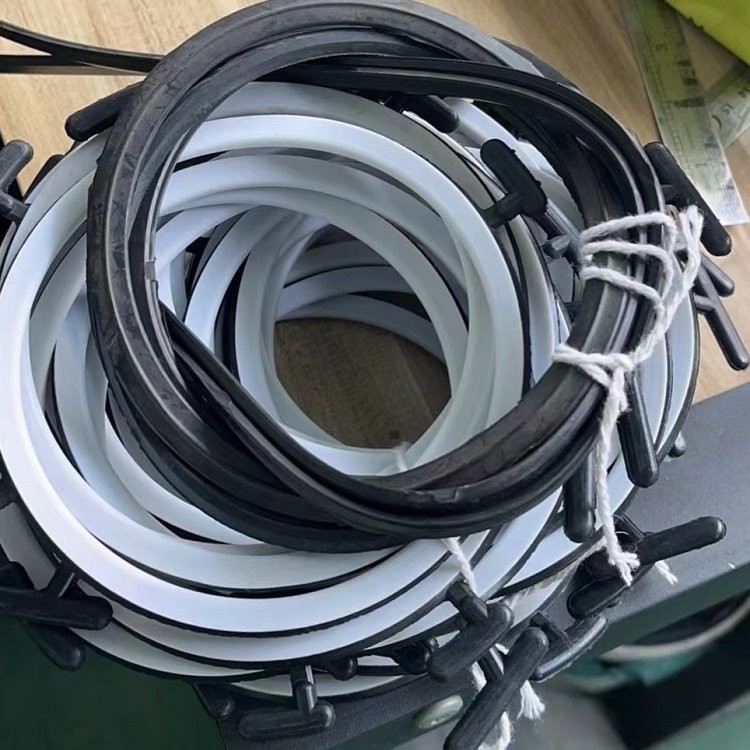
Metal Gaskets
Metal gaskets are used in applications where high pressure and temperature resistance are required. They are typically made from materials such as stainless steel, copper, or aluminum.
- Spiral Wound Gaskets: These gaskets consist of a metal strip and a filler material, usually graphite or PTFE. Spiral wound gaskets are widely used in high - pressure and high - temperature applications, such as in refineries, chemical plants, and power generation facilities.
- Ring Joint Gaskets: Ring joint gaskets are used in high - pressure applications, especially in the oil and gas industry. They are typically made from stainless steel or alloy steel and are designed to fit into special grooves in flanges.
PTFE (Polytetrafluoroethylene) Gaskets
PTFE gaskets are known for their excellent chemical resistance and low friction coefficient. They are inert to almost all chemicals, making them suitable for applications where contact with aggressive chemicals is expected. PTFE gaskets are commonly used in the chemical processing industry, pharmaceutical manufacturing, and food and beverage production.
Industry - Specific Applications
Heat Exchangers
Heat exchangers are used in a wide range of industries, including power generation, chemical processing, and HVAC. The gasket material used in heat exchangers must be able to withstand high temperatures, pressure differentials, and contact with various fluids. Heat Exchanger Gasket made from materials like graphite, EPDM, or fluorocarbon rubber are commonly used. Graphite gaskets offer excellent heat resistance, while EPDM and fluorocarbon rubber provide good chemical compatibility and sealing performance.
Automotive Industry
In the automotive industry, gaskets are used in engines, transmissions, and other critical components. Nitrile rubber gaskets are often used in engine oil seals due to their excellent oil resistance. Silicone rubber gaskets are used in engine covers and electrical connectors because of their temperature resistance and electrical insulation properties.
Food and Beverage Industry
Gaskets used in the food and beverage industry must meet strict hygiene standards and be resistant to food - grade chemicals. Silicone rubber and EPDM rubber are commonly used in this industry as they are non - toxic, easy to clean, and have good resistance to water and steam.
Conclusion
Selecting the best gasket material for a specific application is a complex process that requires a thorough understanding of the application requirements. By considering factors such as temperature, pressure, chemical compatibility, and the type of industry, you can choose the most suitable gasket material to ensure the optimal performance and reliability of your equipment.
As a gasket supplier, we have the expertise and experience to help you make the right choice. Whether you need a gasket for a heat exchanger, an automotive application, or any other industry - specific use, we can provide you with high - quality gasket materials that meet your exact requirements. If you are interested in purchasing gaskets or have any questions about gasket material selection, please feel free to contact us for further discussion and procurement negotiation.
References
- Brown, R. A. (2008). Handbook of Gasket Materials. Elsevier.
- Green, D. W., & Perry, R. H. (2007). Perry's Chemical Engineers' Handbook. McGraw - Hill.
- Kutz, M. (2012). Mechanical Engineers' Handbook: Materials and Mechanical Design. Wiley.