

As a prominent supplier of NBR gaskets, we are often questioned about the abrasion resistance of these crucial sealing components. In this blog post, we'll delve into the intricacies of NBR gasket's abrasion resistance, exploring its factors, importance, and application scenarios.
Understanding NBR Gaskets
NBR, or Nitrile Butadiene Rubber, is a synthetic rubber copolymer composed of acrylonitrile and butadiene. It is well - known for its excellent resistance to oil, fuel, and other petroleum - based products. NBR gaskets are widely used in various industries, including automotive, machinery, and Heat Exchanger Gasket applications, due to their good mechanical properties and cost - effectiveness.
What is Abrasion Resistance?
Abrasion resistance refers to a material's ability to withstand the wear and tear caused by friction, rubbing, or scraping against other surfaces. In the context of NBR gaskets, it means the capacity of the gasket to maintain its integrity and sealing performance when in contact with moving or rough surfaces. This property is of utmost importance as it directly impacts the longevity and reliability of the gasket in a given application.
Factors Affecting the Abrasion Resistance of NBR Gaskets
1. Acrylonitrile Content
The acrylonitrile content in NBR plays a significant role in determining its abrasion resistance. Generally, higher acrylonitrile content leads to better resistance to oils and fuels but lower abrasion resistance. This is because higher acrylonitrile content makes the rubber stiffer and more brittle. Conversely, NBR with lower acrylonitrile content is more flexible and has better abrasion resistance, although it may have reduced oil resistance. As a supplier, we can offer a range of NBR gaskets with different acrylonitrile contents to meet the specific requirements of our customers.
2. Cross - linking Density
The cross - linking density of the NBR rubber also influences its abrasion resistance. A higher cross - linking density means that the polymer chains in the rubber are more tightly bound together. This results in a harder and more wear - resistant material. However, if the cross - linking density is too high, the rubber may become too brittle and prone to cracking. We carefully control the cross - linking process during the manufacturing of NBR gaskets to ensure an optimal balance between hardness and flexibility for maximum abrasion resistance.
3. Fillers and Reinforcements
Fillers such as carbon black and silica can be added to the NBR compound to improve its abrasion resistance. These fillers increase the hardness and stiffness of the rubber, making it more resistant to wear. Reinforcements like fibers can also be incorporated into the gasket to enhance its mechanical properties and abrasion resistance. We use a variety of high - quality fillers and reinforcements in our NBR gaskets to provide our customers with products that offer superior performance.
4. Operating Conditions
The operating conditions under which the NBR gasket is used also have a profound impact on its abrasion resistance. Factors such as temperature, pressure, speed of movement, and the nature of the contacting surfaces all play a role. For example, high temperatures can cause the rubber to soften, reducing its abrasion resistance. Similarly, high - pressure applications or fast - moving parts can subject the gasket to more severe wear. Understanding these operating conditions is crucial for selecting the right NBR gasket for a particular application.
Importance of Abrasion Resistance in NBR Gaskets
1. Sealing Performance
Abrasion resistance is directly related to the sealing performance of NBR gaskets. When a gasket is worn due to abrasion, it may develop leaks, which can lead to loss of fluids or gases, reduced efficiency of the equipment, and even safety hazards. By ensuring good abrasion resistance, we can maintain the integrity of the seal and prevent these problems from occurring.
2. Longevity
Abrasion is one of the primary causes of gasket failure. A gasket with poor abrasion resistance will wear out quickly, requiring frequent replacement. This not only increases maintenance costs but also leads to downtime for the equipment. On the other hand, NBR gaskets with high abrasion resistance can last longer, reducing the need for replacement and minimizing downtime.
3. Cost - effectiveness
Investing in NBR gaskets with good abrasion resistance can be cost - effective in the long run. Although these gaskets may have a higher upfront cost, their longer service life and reduced maintenance requirements can result in significant savings over time. As a supplier, we are committed to providing our customers with NBR gaskets that offer the best balance between cost and performance.
Application Scenarios
1. Automotive Industry
In the automotive industry, NBR gaskets are used in engines, transmissions, and fuel systems. They are often in contact with moving parts and exposed to high temperatures and pressures. Good abrasion resistance is essential to ensure that the gaskets can withstand the harsh operating conditions and maintain a reliable seal.
2. Machinery and Equipment
NBR gaskets are widely used in various industrial machinery and equipment, such as pumps, compressors, and valves. These gaskets need to have high abrasion resistance to prevent leaks and ensure the smooth operation of the equipment.
3. Heat Exchanger Gasket Systems
In heat exchanger systems, NBR gaskets are used to seal the plates and prevent the leakage of hot or cold fluids. The gaskets are exposed to constant heat and fluid flow, which can cause abrasion. A high - quality NBR gasket with good abrasion resistance is necessary to ensure the efficient operation of the heat exchanger.

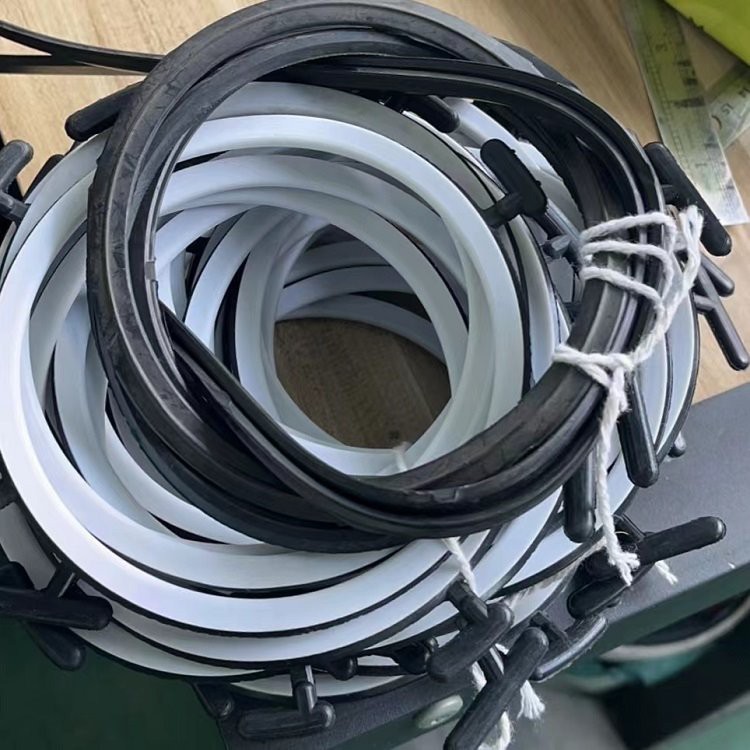
Comparing NBR Gaskets with Other Seal Materials
When considering gasket materials, it's important to compare NBR with other options like Epdm Rubber Seal. EPDM (Ethylene Propylene Diene Monomer) rubber is known for its excellent resistance to weathering, ozone, and high - temperature steam. However, in terms of abrasion resistance and oil resistance, NBR often outperforms EPDM. NBR gaskets are a better choice for applications where there is contact with oils and fuels, or where there is significant mechanical wear.
Our Commitment as a Supplier
As a supplier of NBR Gasket, we are dedicated to providing high - quality products with superior abrasion resistance. We use advanced manufacturing processes and the best raw materials to ensure that our gaskets meet or exceed industry standards. Our team of experts can also provide technical support and guidance to help our customers select the right NBR gasket for their specific applications.
Conclusion
In conclusion, the abrasion resistance of NBR gaskets is a critical property that affects their sealing performance, longevity, and cost - effectiveness. A variety of factors, including acrylonitrile content, cross - linking density, fillers, and operating conditions, influence the abrasion resistance of these gaskets. By understanding these factors and choosing the right NBR gasket for the application, our customers can ensure reliable and efficient operation of their equipment.
If you are in the market for high - quality NBR gaskets or need more information about our products, don't hesitate to contact us for procurement discussions. Our team is ready to provide you with detailed product information and assist you in making the best selection for your specific needs.
References
- Morton, M. (1987). Rubber Technology. Van Nostrand Reinhold.
- A. Y. Coran (Ed.). (2004). Rubber Compounding: Principles, Materials, and Techniques. Hanser Publishers.
- Kraus, G. (1984). Reinforcement of Elastomers. Hanser Publishers.