

Hey there! As a supplier of Plate Heat Exchanger Gaskets, I've seen firsthand how crucial it is to conduct thorough inspections before installation. A plate heat exchanger gasket plays a vital role in ensuring the efficient and leak - free operation of the heat exchanger. So, let's dive into the inspection items for a plate heat exchanger gasket before installation.
Visual Inspection
The first step is a good old - fashioned visual inspection. You gotta take a close look at the gasket. Check for any visible damage like cuts, tears, or cracks. Even a tiny cut can lead to leaks later on, which can mess up the whole heat - exchange process. I once had a customer who didn't notice a small tear during inspection, and it ended up causing a major leak in their heat exchanger, leading to costly downtime.
Also, look for any signs of deformation. The gasket should have a uniform shape. If it's warped or bent, it won't seal properly when installed. Sometimes, improper storage can cause deformation. For example, if gaskets are stacked too tightly or stored in a place with extreme temperatures, they can lose their original shape.
Material Quality Check
The quality of the gasket material is super important. Different applications require different materials. For instance, if you're dealing with a heat exchanger that operates in a high - temperature environment, you'll need a gasket made of a heat - resistant material.
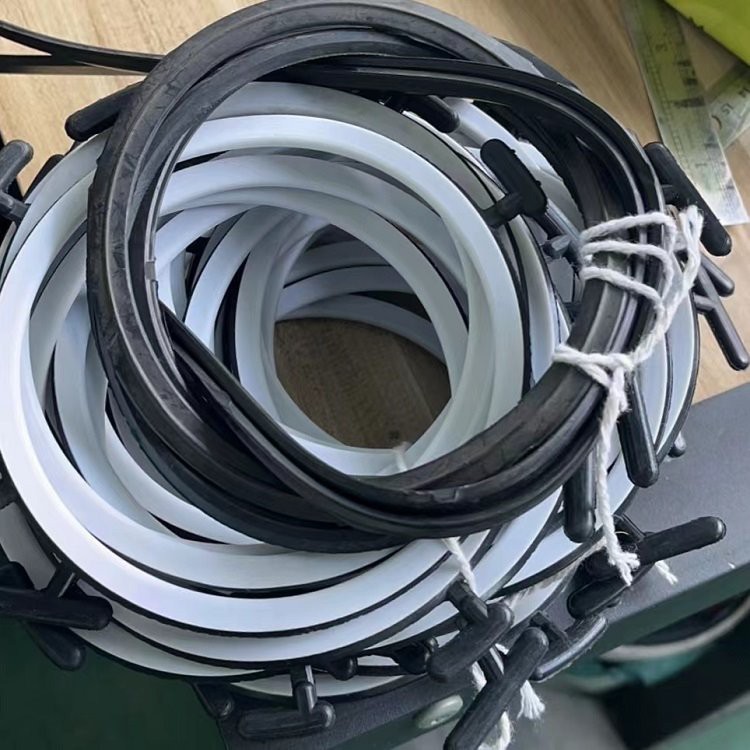

One popular option is the NBR Gasket. NBR, or Nitrile Butadiene Rubber, is known for its good resistance to oil, fuel, and other petroleum - based products. It's also relatively inexpensive, making it a common choice for many industrial applications.
Another option is the Epdm Rubber Seal. EPDM, or Ethylene Propylene Diene Monomer, has excellent resistance to weather, ozone, and high - temperature steam. It's a great choice for heat exchangers in outdoor or high - humidity environments.
When inspecting the material, you can do a simple hardness test. You can use a durometer to measure the hardness of the gasket. A gasket that's too hard may not conform well to the surface of the heat exchanger plates, while a gasket that's too soft may get squeezed out during installation.
Size and Dimension Check
Accurate size and dimensions are key. The gasket must fit perfectly between the heat exchanger plates. Measure the length, width, and thickness of the gasket. Any deviation from the specified dimensions can lead to installation problems and leaks.
For example, if the gasket is too thick, it may prevent the plates from being tightened properly. On the other hand, if it's too thin, it won't provide an adequate seal. You can use a caliper or a micrometer to get precise measurements. Make sure to compare the measurements with the manufacturer's specifications.
Adhesive Quality (if applicable)
Some gaskets come with an adhesive backing to help them stick to the heat exchanger plates. If your gasket has an adhesive, you need to check its quality. Look for any signs of the adhesive peeling off or not being evenly applied.
The adhesive should be strong enough to hold the gasket in place during operation but also allow for easy removal during maintenance. A poor - quality adhesive can cause the gasket to come loose, leading to leaks. You can do a simple peel test by gently pulling on a small corner of the gasket to see how well the adhesive holds.
Compression Set Check
The compression set of a gasket is a measure of its ability to recover its original shape after being compressed. A good gasket should have a low compression set. This means that it will maintain its sealing properties even after multiple cycles of compression and decompression.
To check the compression set, you can compress the gasket between two flat plates for a certain period of time at a specific temperature. Then, measure the thickness of the gasket after it has been allowed to recover. If the gasket has a high compression set, it may not seal properly over time, leading to leaks.
Chemical Compatibility Check
Before installation, you need to make sure that the gasket material is compatible with the fluids that will be flowing through the heat exchanger. Different fluids can react with the gasket material, causing it to degrade or swell.
For example, if you're using a heat exchanger to transfer a corrosive chemical, you need a gasket that can withstand the corrosive effects. You can refer to chemical compatibility charts provided by the gasket manufacturer to determine if the gasket is suitable for your application.
Surface Finish Check
The surface finish of the gasket is also important. It should be smooth and free of any roughness or irregularities. A rough surface can cause leaks by preventing a proper seal between the gasket and the heat exchanger plates.
You can visually inspect the surface of the gasket or use a surface roughness tester to measure the smoothness. A smooth surface will ensure better contact and a more effective seal.
Installation Instructions Review
Finally, make sure to review the installation instructions provided by the manufacturer. Each type of gasket may have specific installation requirements. For example, some gaskets need to be installed with a certain amount of torque when tightening the bolts.
Following the installation instructions correctly is crucial for the proper functioning of the gasket. Ignoring the instructions can lead to premature failure of the gasket and costly repairs.
In conclusion, inspecting a plate heat exchanger gasket before installation is a must - do step to ensure the reliable and efficient operation of the heat exchanger. By checking these items, you can avoid many common problems such as leaks, premature gasket failure, and costly downtime.
If you're in the market for high - quality Heat Exchanger Gasket, don't hesitate to reach out. We're here to help you find the right gasket for your specific needs. Whether you have questions about material selection, installation, or anything else related to plate heat exchanger gaskets, we're just a message away. Let's work together to keep your heat exchangers running smoothly!
References
- "Handbook of Sealant Technology" by Robert T. Hodgson
- "Rubber Technology" by Maurice Morton