

Hey there! As a supplier of Plate Heat Exchanger Gaskets, I've seen firsthand how crucial it is to ensure personnel safety when replacing these gaskets. In this blog, I'll share some practical tips on how to keep everyone safe during the replacement process.
Pre - replacement Preparations
Before you even start thinking about taking out the old gasket and putting in a new one, there are a bunch of things you need to do. First off, you've got to gather all the necessary information about the plate heat exchanger. Check the manufacturer's manual. It's like a bible for the equipment. It'll tell you things like the correct type of gasket to use. For instance, if you're looking for a reliable gasket, you can check out our Heat Exchanger Gasket options.
Next, you need to assess the risks. What kind of fluids are in the heat exchanger? Are they corrosive, toxic, or flammable? If so, you've got to take extra precautions. Make sure you have the right personal protective equipment (PPE) on hand. This includes safety glasses to protect your eyes from any splashes, gloves to shield your hands from chemicals or sharp edges, and a safety suit if the situation calls for it.
You also need to shut down the heat exchanger properly. Follow the shutdown procedure in the manual. This usually involves stopping the flow of fluids and depressurizing the system. You don't want any unexpected pressure releases when you're working on it.
Handling the Old Gasket
Once the heat exchanger is safely shut down, it's time to deal with the old gasket. But be careful! The old gasket might be stuck in place, and you'll need to use the right tools to remove it. A putty knife or a gasket scraper can be handy. But don't just go at it blindly. Start by gently prying up one corner of the gasket. If it doesn't come off easily, don't force it. You could damage the heat exchanger plates.
While you're removing the old gasket, keep an eye out for any signs of damage to the plates. If there are scratches, dents, or corrosion, it might affect the performance of the new gasket. You might need to repair or replace the plates before installing the new gasket.
Dispose of the old gasket properly. If it's been in contact with hazardous materials, it needs to be disposed of according to local regulations. You don't want to cause any environmental problems.
Selecting the Right New Gasket
Picking the right new gasket is super important. The wrong gasket can lead to leaks, which can be dangerous and costly. Consider factors like the type of fluid in the heat exchanger, the operating temperature, and the pressure. For example, if you're dealing with a heat exchanger that operates in a high - temperature environment, you might want to choose a NBR Gasket that can withstand the heat.
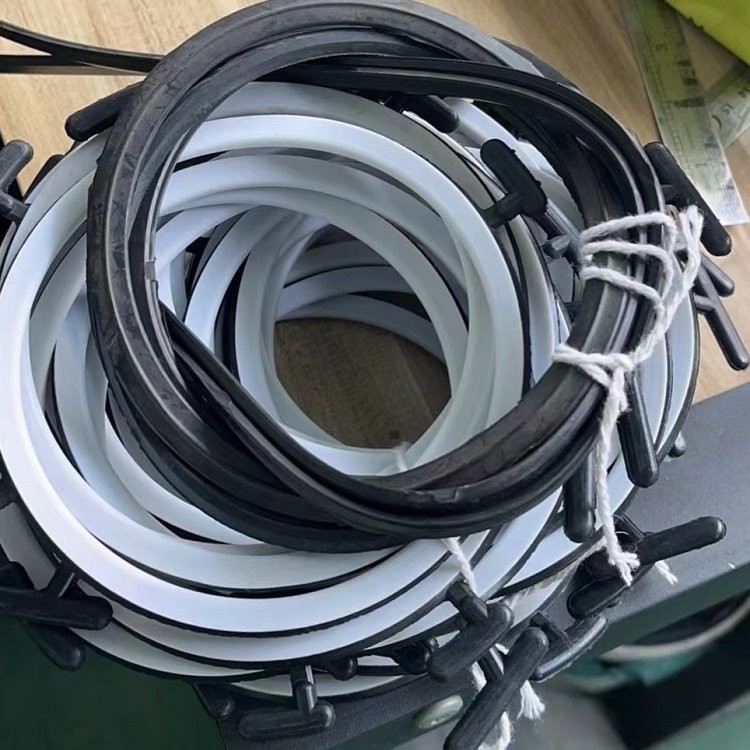
Make sure the new gasket is the correct size and shape for your heat exchanger. You can measure the old gasket or refer to the heat exchanger's specifications. Our Plate Heat Exchanger Gasket range offers a variety of options to fit different heat exchangers.
Installation Process
When it's time to install the new gasket, clean the heat exchanger plates thoroughly. Remove any debris, dirt, or old gasket residue. You can use a suitable cleaning agent, but make sure it won't damage the plates or the new gasket.
Apply a small amount of gasket adhesive if recommended by the manufacturer. This will help the gasket stay in place during installation. Be careful not to use too much adhesive, as it can squeeze out and cause problems.
Carefully place the new gasket on the plate. Make sure it's aligned correctly and seated properly. Double - check that there are no wrinkles or gaps. If the heat exchanger has multiple plates, install the gaskets on each plate one by one.
After all the gaskets are in place, reassemble the heat exchanger. Follow the assembly instructions in the manual. Tighten the bolts evenly to ensure proper compression of the gaskets. But don't over - tighten the bolts, as this can damage the gaskets or the plates.
Post - installation Checks
Once the heat exchanger is reassembled, it's time to do some checks. First, visually inspect the installation. Make sure all the gaskets are in place and there are no signs of damage. Then, start the heat exchanger slowly. Monitor the system for any leaks. Check the pressure and temperature gauges to make sure they're within the normal range.
If you notice any leaks, shut down the system immediately. Don't try to fix the problem while the system is running. Identify the source of the leak and take the necessary steps to repair it. This might involve tightening the bolts a little more or replacing the gasket if it's damaged.
Training and Communication
One of the most important aspects of ensuring personnel safety is training. Make sure all the personnel involved in the gasket replacement process are properly trained. They should know how to handle the equipment, use the PPE correctly, and follow the safety procedures.
Communication is also key. Everyone on the team should know their roles and responsibilities. If there are any changes in the procedure or any potential hazards, make sure everyone is informed.

Conclusion
Replacing a plate heat exchanger gasket can be a tricky job, but by following these safety tips, you can minimize the risks and ensure the well - being of your personnel. Remember, safety should always be your top priority.
If you're in the market for high - quality Plate Heat Exchanger Gaskets, we've got you covered. Our products are designed to meet the highest standards of quality and performance. Contact us to discuss your specific needs and start a procurement conversation. We're here to help you find the perfect gasket for your heat exchanger.
References
- Manufacturer's manuals for plate heat exchangers
- Occupational Safety and Health Administration (OSHA) guidelines on industrial equipment maintenance
- Industry best practices for heat exchanger gasket replacement