

Hey there! As a gasket supplier, I often get asked the question: "How long do gaskets last?" Well, it's not a one - size - fits - all answer, and in this blog, I'll break down the factors that affect a gasket's lifespan and give you a general idea of how long you can expect them to hold up.
What Are Gaskets Anyway?
Before we dive into the lifespan, let's quickly go over what gaskets are. Gaskets are mechanical seals that fill the space between two or more mating surfaces, preventing leakage from or into the joined objects while under compression. They're used in a wide range of applications, from automotive engines to industrial machinery and even in household appliances.
Factors Affecting a Gasket's Lifespan
1. Material Quality
The material of the gasket is a huge factor in determining how long it will last. High - quality materials are designed to withstand various environmental conditions and stresses. For example, gaskets made from synthetic rubber like EPDM (Ethylene Propylene Diene Monomer) are known for their excellent resistance to weathering, ozone, and heat. On the other hand, cheaper, lower - quality materials may start to degrade much faster, leading to premature failure.
2. Operating Conditions
The environment in which the gasket operates plays a significant role. If a gasket is exposed to extreme temperatures, whether it's extremely hot or cold, it can cause the material to expand or contract, which may lead to leaks over time. Chemical exposure is another biggie. Gaskets used in chemical processing plants may be in contact with corrosive substances that can eat away at the gasket material. Pressure is also a factor. High - pressure applications put more stress on the gasket, and if it's not designed to handle that pressure, it won't last as long.
3. Installation
Proper installation is crucial for a gasket's longevity. If a gasket is not installed correctly, it may not seal properly from the start, or it may be subjected to uneven stress. For example, if the bolts are tightened unevenly, it can cause the gasket to compress more on one side than the other, leading to leaks and a shorter lifespan.
Lifespan Estimates for Different Types of Gaskets
General Industrial Gaskets
In normal industrial applications with moderate operating conditions (temperatures between - 20°C to 80°C, low to medium pressure, and no harsh chemicals), a well - made gasket can last anywhere from 2 to 5 years. However, if the conditions are more extreme, such as in a chemical plant or a high - temperature furnace, the lifespan may be reduced to as little as 6 months to 1 year.
Automotive Gaskets
In a car engine, gaskets have to deal with high temperatures, vibrations, and pressure changes. The head gasket, which seals the cylinder head to the engine block, is one of the most critical gaskets in a car. A good - quality head gasket can last between 50,000 to 100,000 miles, but this can vary depending on how well the engine is maintained and how the car is driven. Other gaskets in the engine, like the valve cover gasket or the oil pan gasket, may last a bit longer, usually around 80,000 to 120,000 miles.
Heat Exchanger Gasket
Heat exchanger gaskets are used to seal the plates in a heat exchanger, which is a device that transfers heat between two or more fluids. These gaskets are exposed to high temperatures and pressure differentials. In a well - maintained heat exchanger with normal operating conditions, a heat exchanger gasket can last 3 to 7 years. However, if the heat exchanger is used in a more demanding application, such as in a power plant or a large - scale industrial process, the lifespan may be shorter, around 1 to 3 years. You can also check out our Heat Exchanger Gasket Factory for more information on high - quality heat exchanger gaskets.
Plate Heat Exchanger Gasket
Plate heat exchanger gaskets are similar to heat exchanger gaskets but are specifically designed for plate - type heat exchangers. These gaskets need to provide a reliable seal between the plates to ensure efficient heat transfer. Under normal conditions, they can last 2 to 6 years. But again, factors like fluid type, temperature, and pressure can significantly affect their lifespan.
Signs That a Gasket Needs to Be Replaced
It's important to keep an eye out for signs that a gasket is failing. Some common signs include leaks, which can be visible as fluid seeping out around the gasket area. You may also notice a drop in performance, such as reduced efficiency in a heat exchanger or a loss of power in an engine. Another sign is unusual noises, like hissing or whistling, which can indicate a pressure leak.
How to Extend a Gasket's Lifespan
Regular Maintenance
Regularly inspecting the gaskets for signs of wear and tear can help catch problems early. Cleaning the mating surfaces before installing a new gasket can also improve the seal and extend its lifespan.
Using the Right Gasket
Make sure to choose the right gasket for the application. Consider factors like temperature, pressure, chemical exposure, and the type of fluid that will be in contact with the gasket.
Proper Installation
Follow the manufacturer's installation instructions carefully. Use the correct torque when tightening the bolts to ensure even compression of the gasket.
Conclusion
So, as you can see, there's no simple answer to how long gaskets last. It depends on a variety of factors, including the material, operating conditions, and installation. But by understanding these factors and taking the necessary steps to maintain and choose the right gaskets, you can ensure that they last as long as possible.
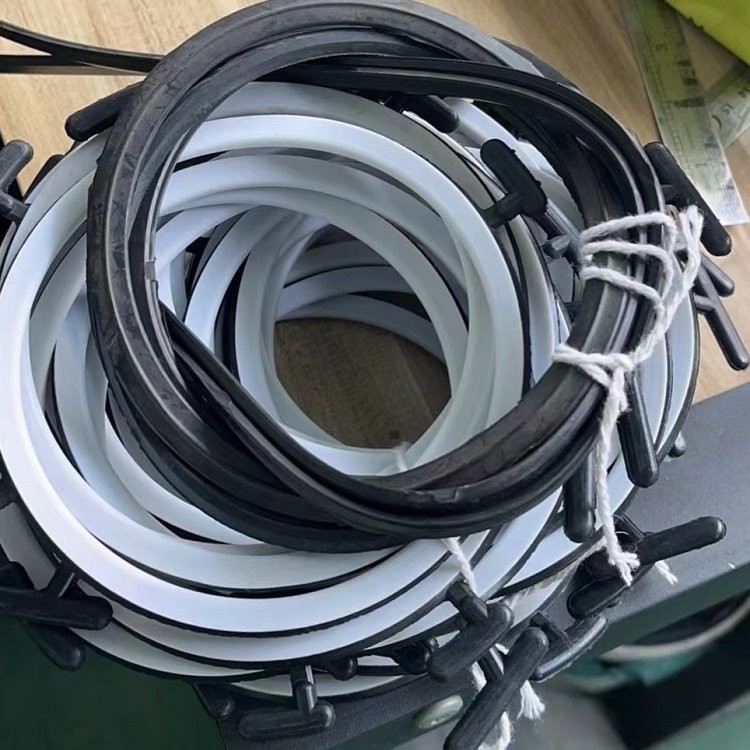
If you're in the market for high - quality gaskets, whether it's a Heat Exchanger Gasket, a Plate Heat Exchanger Gasket, or any other type, we're here to help. We offer a wide range of gaskets that are designed to meet your specific needs. Contact us to start a procurement discussion and find the perfect gaskets for your application.
References
- "Handbook of Sealant Technology" by Robert K. Dobbins
- "Mechanical Seals and Gaskets" by John H. Bickford