

Selecting the right plate heat exchanger gasket for oil and gas applications is a critical decision that can significantly impact the efficiency, safety, and longevity of your equipment. As a trusted Plate Heat Exchanger Gasket supplier, I understand the complexities involved in this process and am here to guide you through the key considerations to ensure you make the best choice for your specific needs.
Understanding the Basics of Plate Heat Exchanger Gaskets
Plate heat exchangers are widely used in the oil and gas industry for various applications, including heating, cooling, and heat recovery. These systems rely on gaskets to seal the gaps between the plates, preventing fluid leakage and ensuring efficient heat transfer. The gasket material must be able to withstand the harsh operating conditions typically encountered in oil and gas applications, such as high temperatures, pressures, and exposure to aggressive chemicals.
Key Factors to Consider When Selecting a Gasket
1. Chemical Compatibility
One of the most important factors to consider when selecting a gasket for oil and gas applications is chemical compatibility. The gasket material must be resistant to the specific chemicals and fluids present in your process. For example, if your application involves the use of crude oil, you need a gasket material that can withstand the corrosive effects of sulfur compounds and other contaminants commonly found in crude oil.
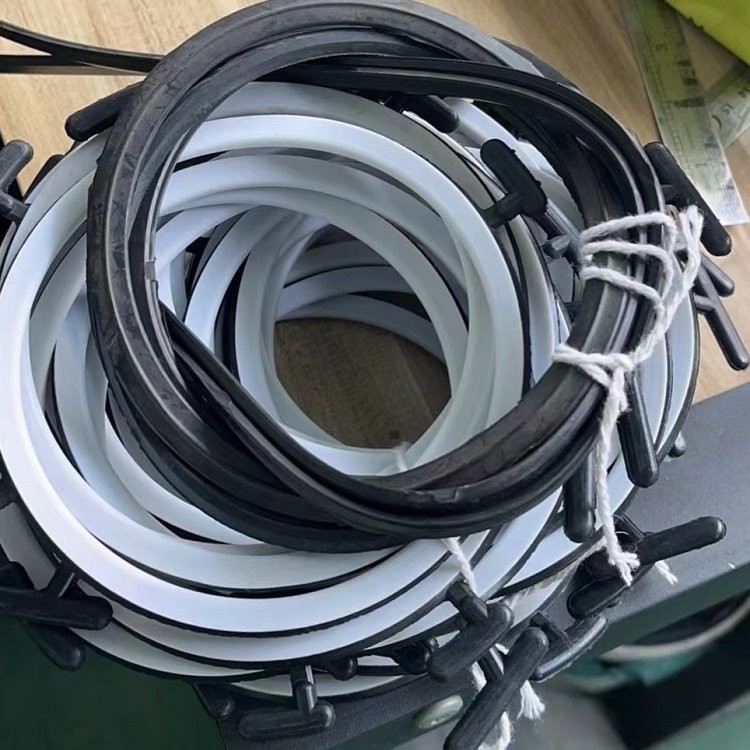
Common gasket materials used in oil and gas applications include Epdm Rubber Seal, Heat Exchanger Gasket, and NBR Gasket. EPDM rubber is known for its excellent resistance to water, steam, and many chemicals, making it a popular choice for applications where exposure to these substances is expected. Heat exchanger gaskets are designed to provide a reliable seal under high temperatures and pressures, ensuring efficient heat transfer. NBR (Nitrile Butadiene Rubber) gaskets offer good resistance to oils, fuels, and hydraulic fluids, making them suitable for applications involving these substances.
2. Temperature and Pressure Ratings
Another crucial factor to consider is the temperature and pressure ratings of the gasket. The gasket material must be able to withstand the maximum temperature and pressure conditions in your application without losing its sealing properties. In oil and gas applications, temperatures can range from relatively low levels during cooling processes to extremely high levels during heating operations. Similarly, pressures can vary widely depending on the specific application and the location within the system.
When selecting a gasket, it is important to choose a material with a temperature and pressure rating that exceeds the maximum conditions in your application. This ensures that the gasket will maintain its integrity and provide a reliable seal over the long term. For high-temperature applications, materials such as graphite and ceramic fiber gaskets may be suitable, while for high-pressure applications, metal-reinforced gaskets or spiral-wound gaskets may be required.

3. Compression and Resilience
The compression and resilience of the gasket are also important considerations. Compression refers to the ability of the gasket to deform under pressure and fill the gaps between the plates, while resilience refers to the ability of the gasket to recover its original shape after the pressure is removed. A gasket with good compression and resilience properties will provide a tight seal and prevent fluid leakage, even under varying operating conditions.
When selecting a gasket, it is important to choose a material with the appropriate compression and resilience characteristics for your application. For example, soft rubber gaskets are typically more compressible and resilient than hard rubber gaskets, making them suitable for applications where a tight seal is required. However, soft rubber gaskets may not be suitable for high-pressure applications, as they may extrude or deform under excessive pressure.
4. Sealing Performance
The sealing performance of the gasket is ultimately what determines its effectiveness in preventing fluid leakage. A good gasket should provide a reliable seal over the entire surface area of the plates, even in the presence of minor surface irregularities or misalignments. The sealing performance of the gasket can be affected by several factors, including the material properties, the design of the gasket, and the installation method.
When selecting a gasket, it is important to choose a material and design that are specifically engineered for your application. For example, some gaskets are designed with a special sealing profile or surface treatment to improve their sealing performance. Additionally, proper installation of the gasket is crucial to ensure its optimal performance. This includes ensuring that the plates are clean and free of debris, applying the correct amount of compression force, and using the appropriate installation tools.
5. Cost and Availability
Finally, cost and availability are also important factors to consider when selecting a gasket. While it is important to choose a high-quality gasket that meets your specific requirements, you also need to consider the cost of the gasket and its availability in the market. In some cases, it may be possible to find a more cost-effective alternative that still provides acceptable performance.
When evaluating the cost of a gasket, it is important to consider the total cost of ownership, including the initial purchase price, installation costs, maintenance costs, and replacement costs. Additionally, it is important to choose a gasket that is readily available in the market to minimize downtime in case of a gasket failure.
Working with a Reliable Supplier
Selecting the right plate heat exchanger gasket for oil and gas applications can be a complex and challenging process. That's why it's important to work with a reliable supplier who has the expertise and experience to help you make the best choice for your specific needs. As a Plate Heat Exchanger Gasket supplier, we offer a wide range of high-quality gaskets that are specifically designed for oil and gas applications. Our team of experts can provide you with technical support and guidance to help you select the right gasket for your application, and we can also offer custom solutions to meet your unique requirements.
If you are looking for a reliable Plate Heat Exchanger Gasket supplier for your oil and gas application, please do not hesitate to contact us. We would be happy to discuss your needs and provide you with a quote for our products and services.
References
- "Handbook of Sealant Technology" by Robert K. Dynes
- "Heat Exchanger Design Handbook" by Edward U. Schlunder
- "Rubber Technology: Compounding, Vulcanization, and Testing" by Maurice Morton