

Selecting the right heat exchanger gasket for a multi - pass heat exchanger is a crucial decision that can significantly impact the performance, efficiency, and longevity of the entire system. As a heat exchanger gasket supplier, I understand the complexities involved in this process and am here to guide you through the key considerations.
Understanding Multi - Pass Heat Exchangers
Before delving into gasket selection, it's essential to have a basic understanding of multi - pass heat exchangers. These heat exchangers are designed to increase the heat transfer efficiency by allowing the fluids to flow through multiple passes within the exchanger. This design maximizes the contact time between the hot and cold fluids, resulting in more effective heat transfer. However, the multi - pass configuration also introduces additional stress and pressure variations within the system, which the gaskets must be able to withstand.
Key Factors in Gasket Selection
1. Temperature Resistance
One of the primary factors to consider when selecting a heat exchanger gasket is its temperature resistance. The gasket must be able to maintain its integrity and sealing properties over the entire temperature range of the heat exchanger operation. For high - temperature applications, materials such as graphite or ceramic - filled gaskets may be suitable. On the other hand, for lower - temperature applications, elastomeric materials like NBR Gasket can be a cost - effective option.
2. Chemical Compatibility
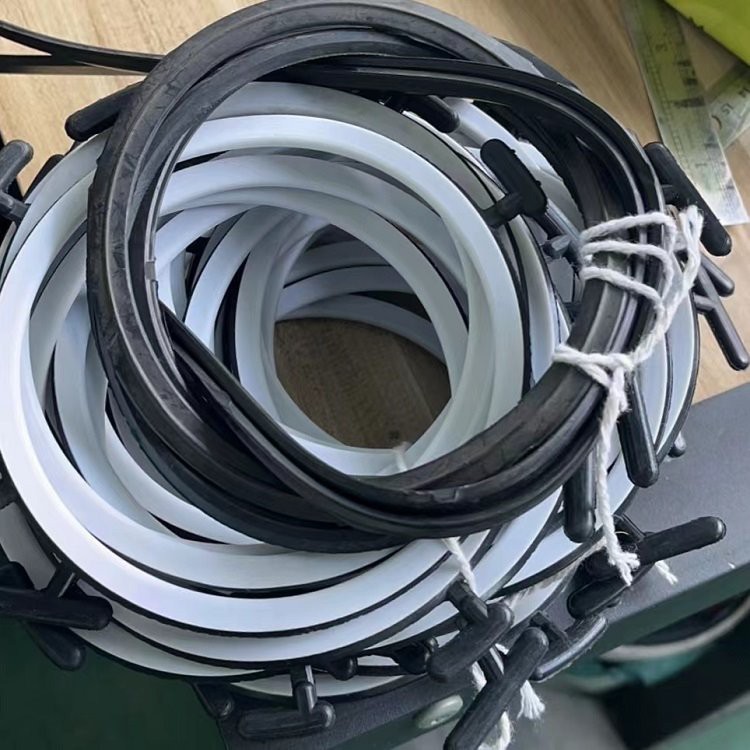
The gasket material must be chemically compatible with the fluids flowing through the heat exchanger. Different fluids, such as acids, bases, solvents, and hydrocarbons, can have varying degrees of corrosiveness. For example, if the heat exchanger is used to handle aggressive chemicals, a gasket made of a chemically resistant material like PTFE (Polytetrafluoroethylene) may be required. In contrast, for water - based applications, a more common elastomeric gasket may suffice.

3. Pressure Rating
Multi - pass heat exchangers often operate under high pressures, especially in industrial applications. The gasket must have a sufficient pressure rating to prevent leakage. The pressure rating of a gasket depends on its material, design, and thickness. It's important to select a gasket that can handle the maximum pressure that the heat exchanger is expected to experience during normal operation and any potential pressure spikes.
4. Sealing Performance
The primary function of a heat exchanger gasket is to provide a reliable seal between the different components of the heat exchanger. A good gasket should be able to conform to the surface irregularities of the mating flanges and maintain a tight seal over time. Factors such as the gasket's compressibility, resilience, and creep resistance play a crucial role in its sealing performance. For example, a gasket with high compressibility can better fill the gaps between the flanges, while a gasket with good resilience can recover its shape after compression, ensuring a long - lasting seal.
5. Material Properties
The physical and mechanical properties of the gasket material also need to be considered. These include factors such as hardness, tensile strength, and tear resistance. A harder gasket may be more suitable for applications where there is a risk of mechanical damage, while a gasket with high tensile strength can withstand greater forces without breaking.
Types of Gaskets for Multi - Pass Heat Exchangers
Elastomeric Gaskets
Elastomeric gaskets, such as those made from NBR (Nitrile Butadiene Rubber), EPDM (Ethylene Propylene Diene Monomer), and silicone, are widely used in heat exchangers. They offer good sealing performance, flexibility, and chemical resistance. NBR Gasket is particularly suitable for applications involving oil and fuel, as it has excellent resistance to these substances. EPDM gaskets, on the other hand, are known for their good weather resistance and are often used in outdoor heat exchanger applications.
Metallic Gaskets
Metallic gaskets, such as spiral wound gaskets and metal jacketed gaskets, are used in high - temperature and high - pressure applications. They are made of metals such as stainless steel, copper, or aluminum, which can withstand extreme conditions. Spiral wound gaskets, for example, consist of a metal strip and a filler material wound in a spiral pattern. They offer excellent sealing performance and can be used in a wide range of applications, including those involving steam and hot water.
Composite Gaskets
Composite gaskets combine the advantages of different materials to provide a balance of properties. For example, a gasket may consist of a metallic core with an elastomeric coating. This type of gasket can offer the high - temperature and pressure resistance of the metal core, along with the sealing flexibility of the elastomeric coating.
Installation Considerations
Proper installation of the heat exchanger gasket is just as important as selecting the right gasket. Incorrect installation can lead to premature gasket failure and leakage. Here are some installation tips:
- Surface Preparation: The mating surfaces of the heat exchanger flanges must be clean, smooth, and free of any debris or corrosion. A rough or dirty surface can prevent the gasket from forming a proper seal.
- Gasket Alignment: The gasket must be correctly aligned with the flanges to ensure even distribution of pressure. Misaligned gaskets can cause uneven compression and lead to leakage.
- Bolt Torque: The bolts used to secure the flanges together must be tightened to the correct torque specification. Over - tightening can damage the gasket, while under - tightening can result in a loose seal.
Maintenance and Inspection
Regular maintenance and inspection of the heat exchanger gaskets are essential to ensure their continued performance. Here are some maintenance and inspection practices:
- Visual Inspection: Periodically inspect the gaskets for any signs of damage, such as cracks, tears, or signs of corrosion. If any damage is detected, the gasket should be replaced immediately.
- Leak Detection: Check for any signs of leakage around the gaskets. Even a small leak can lead to significant losses in heat transfer efficiency and can potentially cause damage to the heat exchanger components.
- Gasket Replacement: Over time, gaskets may wear out or lose their sealing properties. It's important to have a scheduled gasket replacement program based on the operating conditions and the expected lifespan of the gaskets.
Conclusion
Selecting the right heat exchanger gasket for a multi - pass heat exchanger is a complex process that requires careful consideration of various factors, including temperature resistance, chemical compatibility, pressure rating, sealing performance, and material properties. As a Heat Exchanger Gasket supplier, we have the expertise and experience to help you make the right choice. Our wide range of Heat Exchanger Gasket products are designed to meet the diverse needs of different heat exchanger applications.
If you are in the process of selecting a heat exchanger gasket for your multi - pass heat exchanger or have any questions about our products, please feel free to contact us for a detailed consultation. We are committed to providing you with the best gasket solutions to ensure the optimal performance of your heat exchanger system.
References
- "Handbook of Heat Exchanger Design" by Sadik Kakac and Hongtan Liu
- "Gasket Selection and Application Guide" by various industry experts