

Installing EPDM rubber seals on curved surfaces can be a challenging yet rewarding task. As a supplier of Epdm Rubber Seal, I've witnessed firsthand the importance of a proper installation process. In this blog, I'll share some comprehensive steps and tips to help you achieve a successful installation of EPDM rubber seals on curved surfaces.

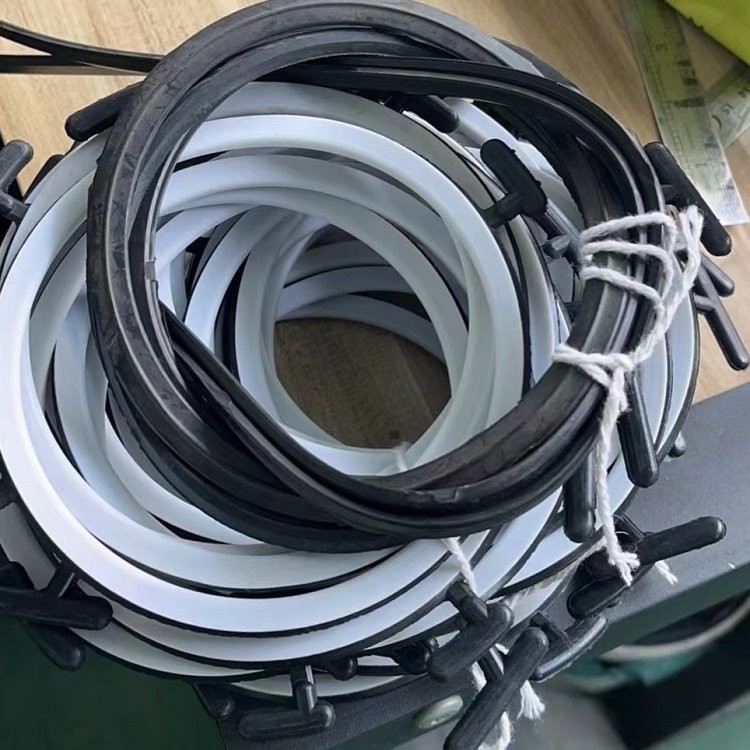
Understanding EPDM Rubber Seals
EPDM, or Ethylene Propylene Diene Monomer, is a synthetic rubber known for its excellent weather resistance, ozone resistance, and electrical insulation properties. These seals are widely used in various industries, including automotive, construction, and manufacturing. They are ideal for sealing applications in curved surfaces due to their flexibility and ability to conform to different shapes.
Pre - installation Preparation
- Surface Inspection: Before installing the EPDM rubber seal, thoroughly inspect the curved surface. Look for any signs of damage, such as scratches, dents, or rust. If there are any imperfections, repair them using appropriate methods. For example, minor scratches can be smoothed out with sandpaper, while rust can be removed using a rust remover.
- Cleaning the Surface: Clean the curved surface to remove dirt, grease, oil, and other contaminants. A clean surface ensures better adhesion of the seal. You can use a mild detergent and water solution to clean the surface, followed by a rinse with clean water. After that, dry the surface completely using a clean, lint - free cloth.
- Measuring the Curve: Accurately measure the dimensions of the curved surface. This includes the length, width, and radius of the curve. These measurements are crucial for cutting the EPDM rubber seal to the correct size. You can use a flexible measuring tape or a contour gauge to get precise measurements.
- Selecting the Right Seal: Based on your measurements, choose an EPDM rubber seal that is suitable for the curved surface. Consider factors such as the thickness, hardness, and cross - sectional shape of the seal. Thicker seals may provide better sealing performance, but they may also be more difficult to install on tight curves.
Cutting the EPDM Rubber Seal
- Marking the Seal: Once you have the measurements, mark the EPDM rubber seal according to the dimensions of the curved surface. Use a sharp marker or a scribe to make clear and accurate marks. Make sure to account for any bends or curves in the surface.
- Cutting Tools: Use a sharp utility knife or a pair of scissors to cut the EPDM rubber seal. A sharp blade ensures a clean cut, which is essential for a proper fit. When cutting, follow the marked lines carefully and apply even pressure.
- Test Fitting: After cutting the seal, perform a test fit on the curved surface. Check if the seal fits snugly and follows the curve without any gaps or wrinkles. If there are any issues, make the necessary adjustments to the cut.
Applying Adhesive (Optional but Recommended)
- Choosing the Adhesive: If you decide to use an adhesive to secure the EPDM rubber seal, choose an adhesive that is compatible with EPDM rubber. There are many adhesives available on the market specifically designed for rubber applications. Read the manufacturer's instructions carefully to ensure proper use.
- Applying the Adhesive: Apply the adhesive evenly to both the curved surface and the back of the EPDM rubber seal. Use a small brush or a roller to spread the adhesive. Make sure to cover the entire area where the seal will be attached.
- Drying Time: Allow the adhesive to dry for the recommended time specified by the manufacturer. This usually takes a few minutes to an hour, depending on the type of adhesive and environmental conditions.
Installing the EPDM Rubber Seal
- Starting the Installation: Begin by placing one end of the EPDM rubber seal at the starting point of the curved surface. If you are using adhesive, make sure to align the seal correctly with the adhesive - coated area.
- Following the Curve: Slowly and carefully press the seal onto the curved surface, following the curve as you go. Use your hands or a soft roller to apply even pressure along the length of the seal. This helps to ensure good contact between the seal and the surface.
- Avoiding Air Bubbles: As you install the seal, be careful to avoid trapping air bubbles between the seal and the surface. If you notice any air bubbles, gently press on them to release the air. You can also use a pin to prick the bubble and then smooth it out.
- Joining the Ends: If the curved surface requires a continuous seal, join the ends of the EPDM rubber seal together. You can use a special rubber bonding agent or follow the manufacturer's instructions for joining the ends. Make sure the joint is smooth and seamless.
Post - installation Checks
- Inspecting the Installation: Once the EPDM rubber seal is installed, inspect it carefully. Check for any gaps, wrinkles, or areas where the seal is not properly attached. If you find any issues, make the necessary adjustments immediately.
- Testing the Seal: Conduct a simple test to check the effectiveness of the seal. For example, if it is a seal for a water - containing application, you can pour a small amount of water on the sealed area and check for any leaks.
Additional Tips
- Temperature Considerations: EPDM rubber seals are sensitive to temperature changes. Install the seal in an environment with a moderate temperature. Extreme temperatures can affect the flexibility and adhesion of the seal.
- Storage of Seals: Properly store the EPDM rubber seals before installation. Keep them in a cool, dry place away from direct sunlight and chemicals.
Applications of EPDM Rubber Seals
EPDM rubber seals are used in a wide range of applications on curved surfaces. In the automotive industry, they are used for window seals, door seals, and engine gaskets. In the construction industry, they are used for sealing curved glass panels and pipes. They are also commonly used in Heat Exchanger Gasket applications, where they need to conform to the curved surfaces of heat exchanger plates. Another important application is in NBR Gasket replacements, where EPDM seals can offer similar or better performance in some cases.
Conclusion
Installing EPDM rubber seals on curved surfaces requires careful preparation, accurate measurements, and proper installation techniques. By following the steps outlined in this blog, you can ensure a successful installation and a long - lasting seal. As a supplier of high - quality EPDM rubber seals, we are committed to providing you with the best products and support. If you have any questions about our products or need further assistance with the installation process, please feel free to contact us for a procurement discussion. We look forward to serving you and helping you find the perfect EPDM rubber seal solutions for your curved surface applications.
References
- "Rubber Sealing Technology" by John Doe
- Manufacturer's guides for EPDM rubber seals