

Selecting the right gasket is a critical decision that can significantly impact the performance, safety, and longevity of various systems and equipment. As a trusted gaskets supplier, we understand the complexities involved in this process and are here to guide you through the key considerations.
Understanding the Basics of Gaskets
Gaskets are mechanical seals that fill the space between two or more mating surfaces, preventing the leakage of gases or liquids under compression. They come in a wide range of materials, shapes, and sizes, each designed to meet specific application requirements. The primary function of a gasket is to create a tight seal, even when the mating surfaces are not perfectly flat or have minor irregularities.
Material Selection
One of the most important factors in choosing the right gasket is the material. Different materials offer varying levels of chemical resistance, temperature tolerance, pressure resistance, and flexibility. Here are some common gasket materials and their typical applications:
Rubber
Rubber gaskets are known for their excellent flexibility, resilience, and sealing properties. They are suitable for a wide range of applications, including automotive, plumbing, and industrial equipment. Epdm Rubber Seal is a popular choice due to its resistance to weathering, ozone, and chemicals. It can withstand a wide temperature range, making it suitable for both indoor and outdoor applications.
Cork
Cork gaskets are made from natural cork or cork composites. They are lightweight, compressible, and have good sealing properties. Cork gaskets are commonly used in applications where a low-cost, flexible seal is required, such as in automotive engines, plumbing fixtures, and electrical enclosures.
Metal
Metal gaskets are typically used in high-pressure and high-temperature applications, such as in steam engines, boilers, and pipelines. They are made from materials such as stainless steel, copper, or aluminum, and offer excellent strength and durability. Metal gaskets can be designed to withstand extreme conditions and provide a reliable seal over a long period of time.
Fiber
Fiber gaskets are made from various types of fibers, such as asbestos, graphite, or aramid. They are known for their high temperature resistance, chemical resistance, and sealing properties. Fiber gaskets are commonly used in applications where a high-performance seal is required, such as in chemical processing plants, power generation facilities, and oil refineries.
Application Requirements
In addition to material selection, it is important to consider the specific application requirements when choosing a gasket. Here are some key factors to consider:
Temperature
The operating temperature of the system is a critical factor in gasket selection. Different materials have different temperature limits, and using a gasket that is not suitable for the operating temperature can result in seal failure, leakage, and potential damage to the equipment. Make sure to choose a gasket material that can withstand the maximum and minimum temperatures of the application.
Pressure
The pressure of the system also plays a crucial role in gasket selection. High-pressure applications require gaskets that can withstand the force exerted by the fluid or gas without deforming or leaking. Consider the maximum pressure that the gasket will be exposed to and choose a material and design that can provide a reliable seal under these conditions.
Chemical Compatibility
If the gasket will be in contact with chemicals, it is important to choose a material that is chemically compatible with the substances involved. Chemicals can react with the gasket material, causing it to degrade, swell, or become brittle. This can lead to seal failure and potential safety hazards. Make sure to consult the chemical compatibility chart of the gasket material to ensure that it is suitable for the specific chemicals in the application.
Fluid or Gas Type
The type of fluid or gas that the gasket will be sealing also affects the material selection. Different fluids and gases have different properties, such as viscosity, corrosiveness, and volatility. Choose a gasket material that is resistant to the specific fluid or gas in the application to ensure a reliable seal.
Gasket Design
The design of the gasket is another important consideration. Different applications may require different gasket designs to ensure a proper seal. Here are some common gasket designs:

Flat Gaskets
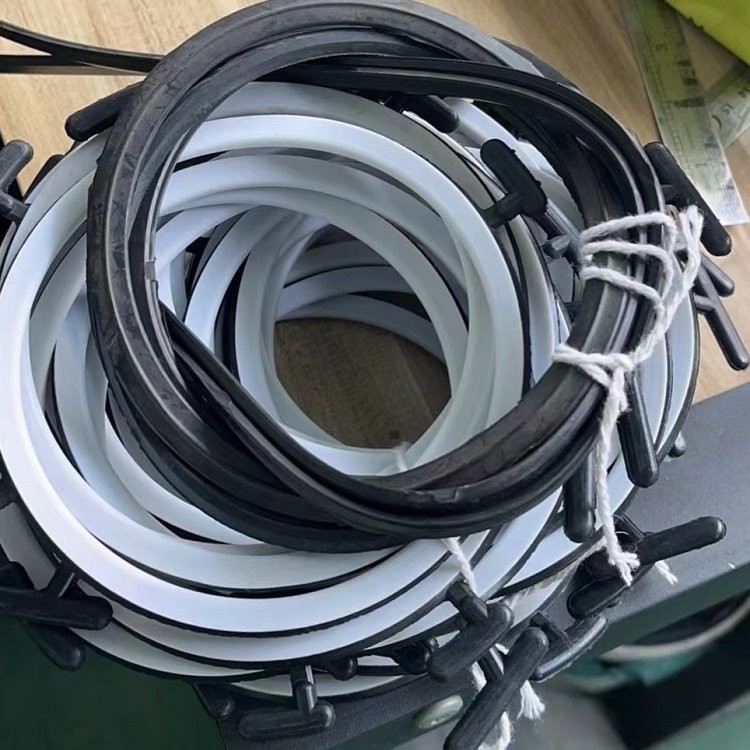
Flat gaskets are the most common type of gasket. They are simple in design and are typically used in applications where a low-pressure seal is required. Flat gaskets can be cut from a variety of materials, such as rubber, cork, or fiber, and are available in different sizes and shapes.
Spiral Wound Gaskets
Spiral wound gaskets are made by winding a metal strip and a filler material together in a spiral pattern. They are designed to provide a high-pressure seal and are commonly used in applications such as pipelines, valves, and flanges. Spiral wound gaskets offer excellent resilience and can withstand high temperatures and pressures.
Ring Type Joint Gaskets
Ring type joint gaskets are used in high-pressure and high-temperature applications, such as in oil and gas pipelines and refineries. They are made from metal and are designed to fit into a groove in the flange. Ring type joint gaskets provide a reliable seal under extreme conditions and are commonly used in critical applications.
Quality and Certification
When choosing a gasket supplier, it is important to consider the quality and certification of the products. Look for a supplier that offers high-quality gaskets that meet industry standards and specifications. A reputable supplier will also provide certification of the materials used and the manufacturing process. This ensures that the gaskets are reliable, safe, and will perform as expected in your application.
Cost Considerations
Cost is always a factor in any purchasing decision. However, it is important to balance cost with quality and performance. Choosing a low-cost gasket that does not meet the application requirements can result in frequent seal failures, downtime, and increased maintenance costs. On the other hand, investing in a high-quality gasket that is suitable for the application can provide long-term savings and peace of mind.
Conclusion
Choosing the right gasket is a complex decision that requires careful consideration of various factors, including material selection, application requirements, gasket design, quality, and cost. As a trusted gaskets supplier, we have the expertise and experience to help you select the best gasket for your specific needs. Whether you are looking for an Epdm Rubber Seal or a Heat Exchanger Gasket, we can provide you with high-quality products and excellent customer service.
If you have any questions or need assistance in choosing the right gasket, please do not hesitate to contact us. Our team of experts is ready to help you make an informed decision and ensure that your equipment operates safely and efficiently.
References
- ASME B16.20 - Metallic Gaskets for Pipe Flanges
- ASTM F34 - Standard Specification for Non-Asbestos Fiber Gaskets for Pipe Flanges
- DIN 2690 - Gaskets for Flanges
- ISO 7484 - Gaskets for Pipe Flanges - Spiral Wound Gaskets
- JIS B2404 - Gaskets for Pipe Flanges - Spiral Wound Gaskets