

Hey there! I'm a supplier of Plate-Frame Type equipment, and today I wanna have a chat about the compatibility of Plate-Frame Type with different chemicals.
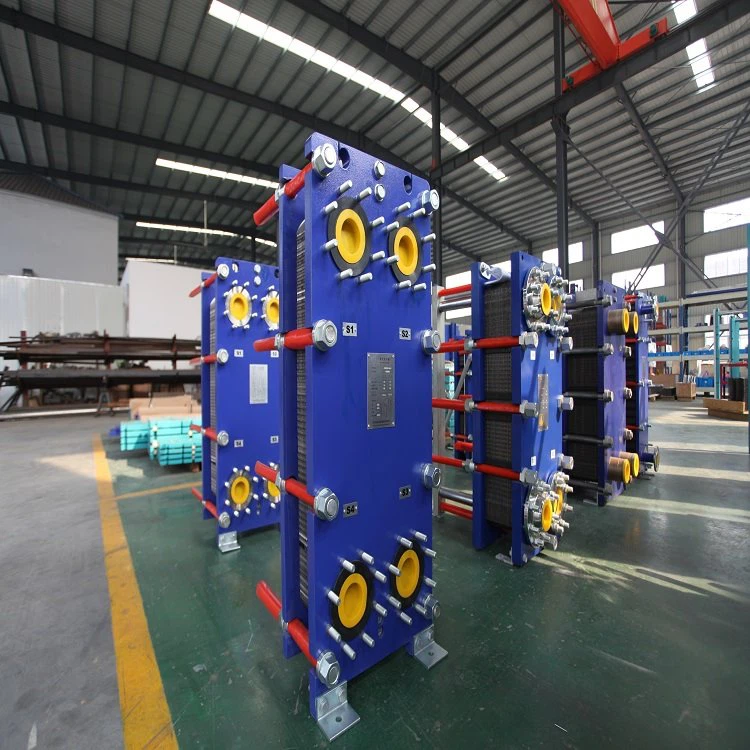
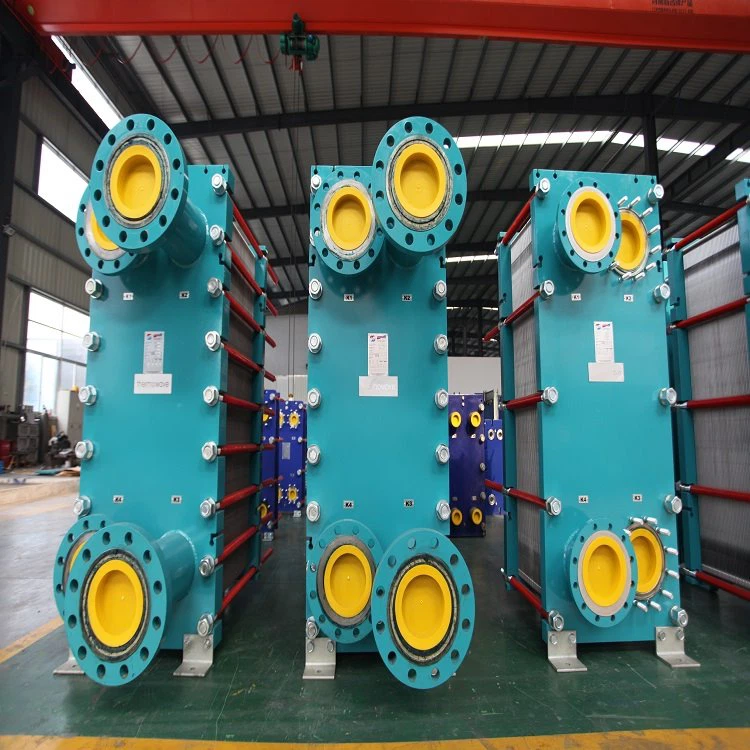
First off, let's understand what Plate-Frame Type is. Plate-Frame Type equipment is widely used in various industries for heat exchange and separation processes. It consists of a series of plates that are held together in a frame, creating channels for fluids to flow through. You can find more detailed info about it on our Plate-Frame Type page.
Now, when it comes to compatibility with chemicals, it's a super important factor to consider. Different chemicals have different properties, such as acidity, alkalinity, corrosiveness, and reactivity. And these properties can have a big impact on the performance and lifespan of the Plate-Frame Type equipment.
Let's start with acids. Acids can be pretty tough on materials. Strong acids like sulfuric acid and hydrochloric acid are highly corrosive. If the plates of the Plate-Frame Type are made of the wrong material, they can get eaten away pretty quickly. For example, if you use a carbon steel plate in a sulfuric acid environment, it'll start to corrode almost immediately. However, some special alloys like stainless steel (especially grades like 316L) can handle certain concentrations of acids better. They have a protective oxide layer on the surface that resists corrosion to some extent. But still, the concentration and temperature of the acid matter a lot. Higher concentrations and temperatures usually mean more aggressive corrosion.
On the other hand, weak acids like acetic acid are less corrosive but still need to be considered. They can gradually erode the plates over time, especially if there are any impurities in the acid. So, when dealing with acids, it's crucial to choose the right plate material based on the specific acid, its concentration, and the operating temperature.
Alkaline chemicals also have their own challenges. Sodium hydroxide, for instance, is a strong base. It can react with some metals and cause stress corrosion cracking. In a Plate-Frame Type system, if the plates are made of a material that's not compatible with sodium hydroxide, cracks can form, leading to leaks and reduced efficiency. Again, stainless steel can be a good choice in many alkaline environments, but there are also other specialized materials like titanium that offer even better resistance to alkalis.
Some chemicals are highly reactive and can cause chemical reactions inside the Plate-Frame Type equipment. For example, oxidizing agents like hydrogen peroxide can react with certain metals and cause rapid degradation. They can break down the protective layers on the plates and accelerate corrosion. In such cases, you need to use materials that are inert to these reactive chemicals. Ceramics or some high-performance polymers can be good options here.
Another aspect to consider is the presence of contaminants in the chemicals. Even a small amount of a contaminant can change the chemical behavior significantly. For example, if there's a trace amount of chloride in an acid solution, it can make the corrosion process much worse, especially for stainless steel plates. Chloride ions can penetrate the protective oxide layer and cause pitting corrosion, which can be very difficult to detect and repair.
Now, let's talk about the advantages of using Plate-Frame Type when dealing with different chemicals. One of the great things about Plate-Frame Type is its modular design. If one plate gets damaged due to chemical incompatibility, you can easily replace it without having to replace the whole unit. This saves a lot of time and money in maintenance. Also, the large surface area of the plates allows for efficient heat transfer, which is crucial in many chemical processes.
When compared to Plate-shell Type, Plate-Frame Type offers more flexibility in terms of plate material selection. In a Plate-shell Type, the construction might limit your choices of materials to a certain extent. But in Plate-Frame Type, you can choose from a wide range of materials depending on the specific chemical you're dealing with.
So, how do you ensure the compatibility of your Plate-Frame Type equipment with different chemicals? First, do your research. Know the properties of the chemicals you'll be using, including their concentration, temperature, and any potential contaminants. Then, consult with experts or suppliers like us. We have a lot of experience in dealing with different chemicals and can recommend the best plate materials for your specific application.
We also offer testing services. We can test the compatibility of the Plate-Frame Type with your chemicals in a laboratory setting. This way, you can be sure that the equipment will work well in your actual operating conditions.
In conclusion, the compatibility of Plate-Frame Type with different chemicals is a complex but crucial issue. By choosing the right materials, considering the chemical properties, and doing proper testing, you can ensure the long-term performance and reliability of your equipment.
If you're in the market for Plate-Frame Type equipment or have any questions about chemical compatibility, don't hesitate to reach out. We're here to help you make the best choice for your chemical processing needs. Let's have a chat and see how we can work together to solve your problems.
References
- Chemical Engineering Handbook
- Corrosion Resistance of Materials in Chemical Environments