

Hey there! As a supplier of Plate - shell Type heat exchangers, I've seen firsthand how crucial pressure drop is when it comes to the performance of these amazing pieces of equipment. In this blog, I'll dig deep into how pressure drop affects the performance of plate - shell type heat exchangers and why it matters to you.
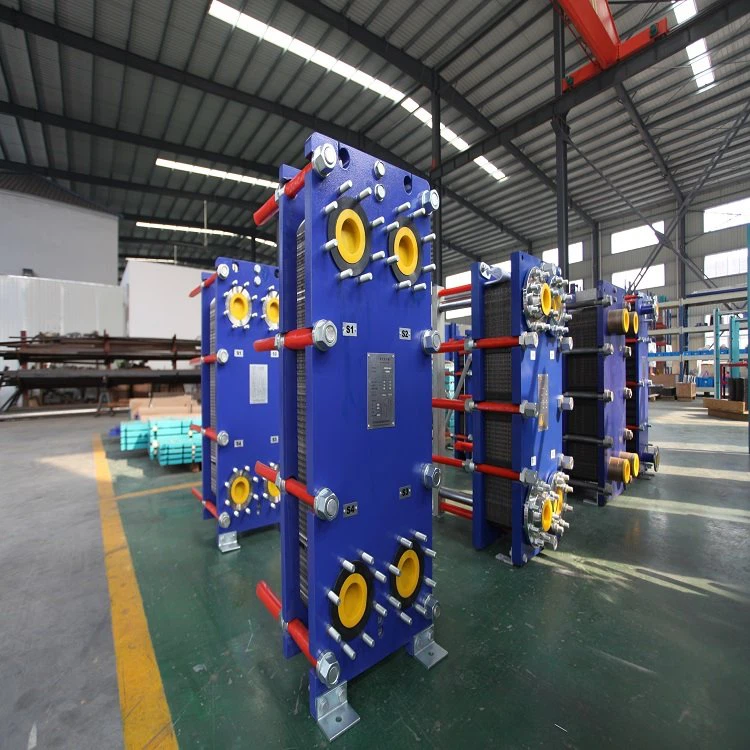
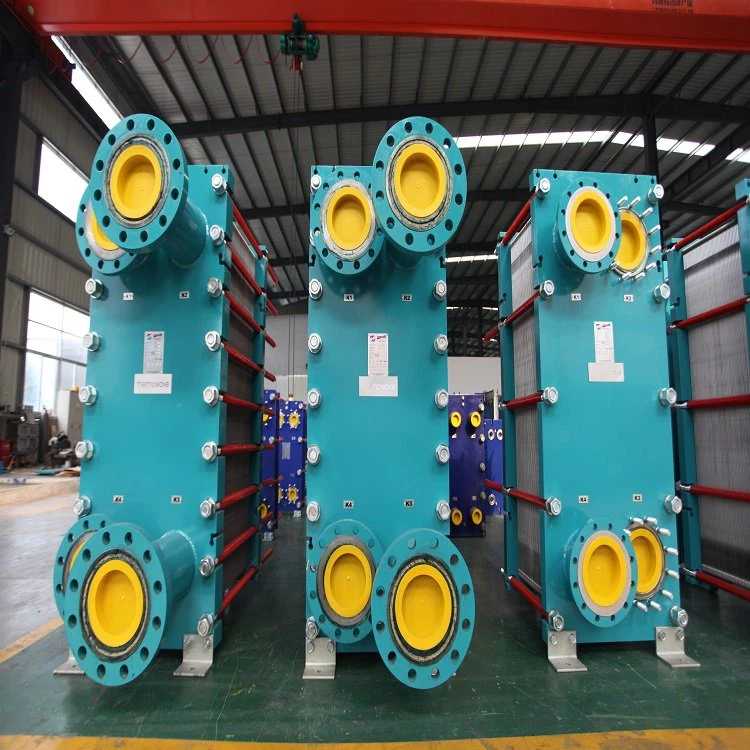
Let's start with the basics. A plate - shell type heat exchanger is a compact and efficient device that transfers heat between two fluids. It combines the advantages of plate heat exchangers and shell - and - tube heat exchangers. You can learn more about Plate - shell Type heat exchangers here. It's made up of a series of plates that are welded together to form channels for the fluids to flow through. One fluid flows through the channels between the plates, while the other flows outside the plates in the shell side.
Pressure drop, in simple terms, is the decrease in pressure that occurs as a fluid flows through a heat exchanger. It's like when you're driving on a bumpy road, and your car's speed drops. In a heat exchanger, this pressure drop can be caused by several factors. The first one is friction. As the fluid flows through the narrow channels in the heat exchanger, it rubs against the walls of the channels, creating friction. This friction resists the flow of the fluid, causing a drop in pressure.
Another factor is the change in flow direction. When the fluid changes direction inside the heat exchanger, it also experiences a pressure drop. Think of it as a race car having to make a sharp turn; it loses some speed in the process. Also, the presence of any obstructions or bends in the flow path can increase the pressure drop.
So, how does this pressure drop impact the performance of plate - shell type heat exchangers? Well, the most obvious effect is on the flow rate. A higher pressure drop means that the fluid has to work harder to flow through the heat exchanger. As a result, the flow rate of the fluid decreases. This is a big deal because the heat transfer rate in a heat exchanger is directly related to the flow rate of the fluids. If the flow rate drops, the amount of heat that can be transferred between the two fluids also decreases.
Let's say you're using a plate - shell type heat exchanger in an industrial process to cool down a hot fluid. If the pressure drop is too high, the flow rate of the cooling fluid will be low. This means that the hot fluid won't be cooled as effectively as it should be. The temperature of the hot fluid may not drop to the desired level, which can cause problems in the overall process.
Moreover, a high pressure drop can also lead to increased energy consumption. Since the fluid has to overcome the resistance caused by the pressure drop, more energy is required to pump the fluid through the heat exchanger. This means higher operating costs for you. You'll end up spending more on electricity or whatever energy source you're using to power the pumps.
On the other hand, a very low pressure drop might seem like a good thing, but it can also be a sign of inefficiency. It could mean that the heat exchanger is oversized for the application. In this case, you're paying for a larger and more expensive heat exchanger than you actually need, which is a waste of money.
To compare, let's take a look at the Plate - Frame Type heat exchangers. In plate - frame type heat exchangers, the pressure drop characteristics are a bit different. Plate - frame heat exchangers have removable plates, which allows for easier cleaning and maintenance. However, the flow paths in plate - frame heat exchangers are generally more complex, which can sometimes lead to higher pressure drops compared to plate - shell type heat exchangers. But it really depends on the specific design and application of each heat exchanger.
Now, as a supplier, we understand that finding the right balance in pressure drop is crucial for the optimal performance of your plate - shell type heat exchanger. That's why we offer a range of heat exchangers with different designs and configurations. We can customize the heat exchanger to meet your specific requirements, taking into account factors like the type of fluids, the desired flow rates, and the allowable pressure drop.
For example, if you have a process that can tolerate a higher pressure drop, we can design a heat exchanger with narrower channels to increase the heat transfer efficiency. On the other hand, if you need to keep the pressure drop to a minimum, we can use a design with wider channels and fewer bends.
We also provide regular maintenance services to ensure that your heat exchanger is always operating at its best. During maintenance, we can check for any blockages or damage that might be causing an increase in pressure drop. We can clean the channels, replace any worn - out parts, and make any necessary adjustments to keep the pressure drop within the optimal range.
In addition to the technical aspects, we also offer great customer support. Our team of experts is always ready to answer your questions and provide you with advice on how to get the most out of your plate - shell type heat exchanger. Whether you're a small business owner or a large industrial company, we can help you find the right solution for your heat transfer needs.
If you're in the market for a plate - shell type heat exchanger or if you're looking to upgrade your existing one, I highly recommend reaching out to us. We can work with you to understand your specific requirements and provide you with a customized solution. Don't let a high pressure drop ruin the performance of your heat exchanger and increase your operating costs. Let us help you find the perfect balance and get the most efficient heat transfer possible.
In conclusion, pressure drop is a critical factor that affects the performance of plate - shell type heat exchangers. It can impact the flow rate, heat transfer rate, and energy consumption. By understanding the causes and effects of pressure drop, you can make informed decisions when choosing and operating a plate - shell type heat exchanger. And as your trusted supplier, we're here to support you every step of the way. So, if you're interested in learning more or making a purchase, don't hesitate to contact us. We're excited to work with you and help you achieve your heat transfer goals.
References
- Incropera, F. P., DeWitt, D. P., Bergman, T. L., & Lavine, A. S. (2007). Fundamentals of Heat and Mass Transfer. John Wiley & Sons.
- Shah, R. K., & Sekulic, D. P. (2003). Fundamentals of Heat Exchanger Design. John Wiley & Sons.