

As a supplier of Plate - Frame Type technology, I am often asked about the environmental benefits of this innovative solution. In this blog post, I will delve into the various ways in which Plate - Frame Type technology positively impacts the environment.
Energy Efficiency
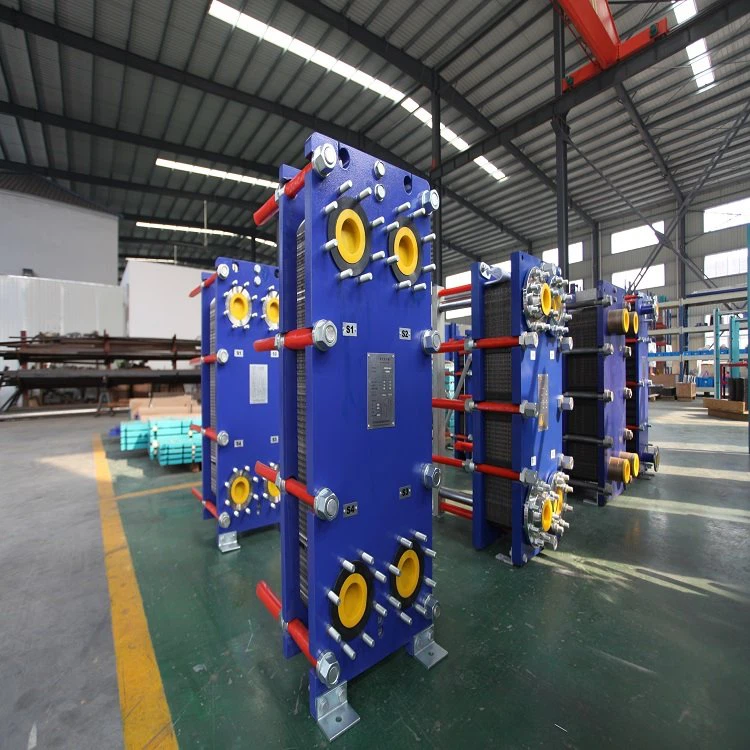
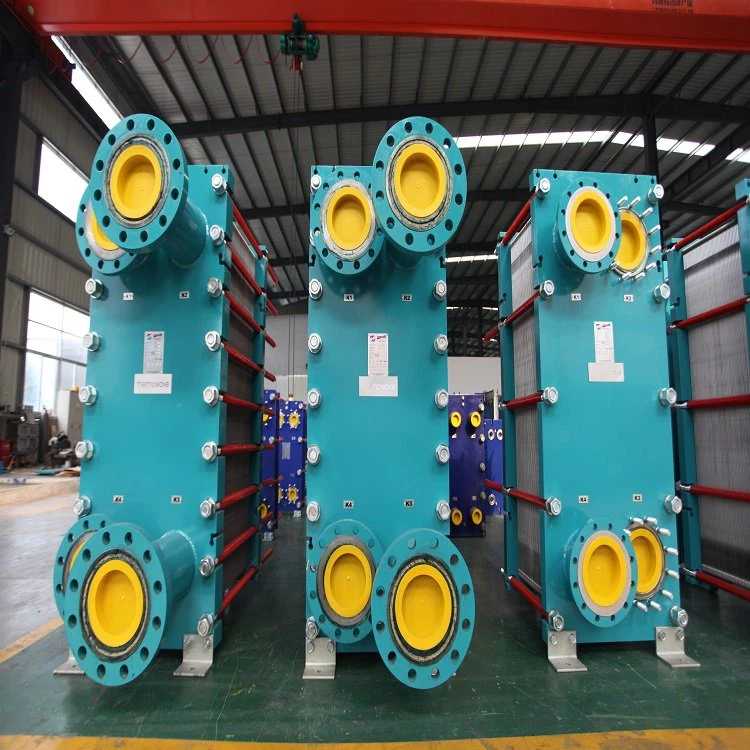
One of the most significant environmental benefits of Plate - Frame Type technology is its high energy efficiency. Plate - Frame Type heat exchangers are designed to transfer heat effectively between two fluids. The unique plate design provides a large surface area for heat transfer, allowing for maximum heat exchange with minimal energy input.
Compared to traditional heat exchangers, Plate - Frame Type heat exchangers can achieve much higher heat transfer coefficients. This means that they can transfer more heat using less energy. For industrial processes that require a large amount of heat transfer, such as in chemical plants, power generation, and food processing, this energy savings can be substantial.
When industries use less energy, they reduce their reliance on fossil fuels. Fossil fuel combustion is a major contributor to greenhouse gas emissions, including carbon dioxide (CO₂), methane (CH₄), and nitrous oxide (N₂O). By using Plate - Frame Type technology to improve energy efficiency, industries can significantly lower their carbon footprint. For example, in a large - scale chemical manufacturing plant, switching to Plate - Frame Type heat exchangers can lead to a reduction in annual CO₂ emissions by hundreds or even thousands of tons.
Reduced Water Consumption
Another important environmental advantage of Plate - Frame Type technology is its ability to reduce water consumption. In many industrial processes, water is used as a cooling medium in heat exchangers. Traditional heat exchangers often require a large amount of water to maintain the desired temperature, which can put a strain on local water resources.
Plate - Frame Type heat exchangers, on the other hand, are more efficient in using water. Their compact design and high heat transfer efficiency mean that they can achieve the same cooling effect with less water. This is particularly beneficial in regions where water is scarce or where strict water usage regulations are in place.
For instance, in a power plant, a Plate - Frame Type condenser can reduce the amount of cooling water required compared to a conventional shell - and - tube condenser. This not only conserves water but also reduces the energy needed to pump and treat the water. Moreover, by reducing water consumption, industries can minimize their impact on aquatic ecosystems, as less water is withdrawn from rivers, lakes, or groundwater sources.
Lower Chemical Usage
Plate - Frame Type technology can also lead to a reduction in chemical usage. In heat exchanger systems, chemicals are often used for various purposes, such as water treatment to prevent scaling, corrosion, and microbial growth. Traditional heat exchangers may require higher doses of these chemicals due to their lower efficiency and susceptibility to fouling.
Plate - Frame Type heat exchangers have a more streamlined design that is less prone to fouling. The smooth surfaces of the plates and the high - velocity flow of fluids through the channels help to prevent the accumulation of deposits. As a result, less chemical treatment is needed to maintain the performance of the heat exchanger.
Reducing chemical usage has several environmental benefits. Many of the chemicals used in water treatment are toxic and can have harmful effects on the environment if released into water bodies. By using less of these chemicals, industries can reduce the risk of water pollution and protect aquatic life. Additionally, the production and disposal of these chemicals also have environmental impacts, such as energy consumption and waste generation. Lower chemical usage means less of these associated environmental burdens.
Compact Design and Reduced Material Use
The compact design of Plate - Frame Type technology is another factor that contributes to its environmental friendliness. Plate - Frame Type heat exchangers can achieve the same heat transfer capacity as larger, traditional heat exchangers in a much smaller footprint.
This compactness not only saves space in industrial facilities but also reduces the amount of material required for manufacturing. Fewer raw materials are used in the production of Plate - Frame Type heat exchangers, which means less energy is consumed in the extraction, processing, and transportation of these materials.
Moreover, the reduced size of Plate - Frame Type heat exchangers also results in lower transportation emissions. Since they are lighter and more compact, fewer trucks or other transport vehicles are needed to move them from the manufacturing site to the installation location. This further reduces the carbon footprint associated with the product's lifecycle.
Comparison with Plate - shell Type Technology
While both Plate - Frame Type and Plate - shell Type technologies have their own advantages, Plate - Frame Type technology often has some edge in terms of environmental benefits.
Plate - Frame Type heat exchangers are generally easier to clean and maintain. This means that they can operate at a higher efficiency for a longer period without the need for extensive chemical cleaning or major overhauls. In contrast, Plate - shell Type heat exchangers may be more difficult to access for cleaning, which could potentially lead to more frequent use of chemicals and higher energy consumption to compensate for reduced efficiency over time.
In addition, the manufacturing process of Plate - Frame Type heat exchangers typically requires less specialized equipment and energy - intensive processes compared to Plate - shell Type heat exchangers. This results in a lower overall environmental impact during the production phase.
Long - term Sustainability
The environmental benefits of Plate - Frame Type technology contribute to long - term sustainability. By reducing energy consumption, water usage, chemical usage, and material waste, industries can operate in a more environmentally responsible manner. This not only helps to protect the planet for future generations but also makes good business sense.
As environmental regulations become more stringent around the world, companies that adopt sustainable technologies like Plate - Frame Type heat exchangers are better positioned to comply with these regulations. They can also enhance their corporate image and reputation, which can lead to increased customer trust and market competitiveness.
Conclusion
In conclusion, Plate - Frame Type technology offers numerous environmental benefits, including energy efficiency, reduced water consumption, lower chemical usage, and compact design. These benefits make it an attractive option for industries looking to reduce their environmental impact while improving their operational efficiency.
If you are interested in learning more about how Plate - Frame Type technology can benefit your business and the environment, I encourage you to contact us for a detailed consultation. We can provide you with customized solutions based on your specific needs and help you make a more sustainable choice for your industrial processes.
References
- ASHRAE Handbook of HVAC Systems and Equipment. American Society of Heating, Refrigerating and Air - Conditioning Engineers.
- “Heat Exchanger Technology: Principles and Practice” by R. K. Shah and D. P. Sekulic.
- Environmental Protection Agency reports on industrial energy efficiency and water conservation.