

In the current global push towards energy efficiency and sustainable development, waste heat recovery systems have emerged as a crucial solution to reduce energy consumption and environmental impact. These systems capture and reuse heat that would otherwise be wasted during industrial processes, power generation, or other operations. One of the key components in waste heat recovery systems is the heat exchanger, which transfers thermal energy from a hot fluid to a cold fluid. Among the various types of heat exchangers available, plate - shell type heat exchangers have been a topic of interest. As a Plate - shell Type heat exchanger supplier, I am well - positioned to explore whether these heat exchangers can be effectively used in waste heat recovery systems.
Understanding Plate - shell Type Heat Exchangers
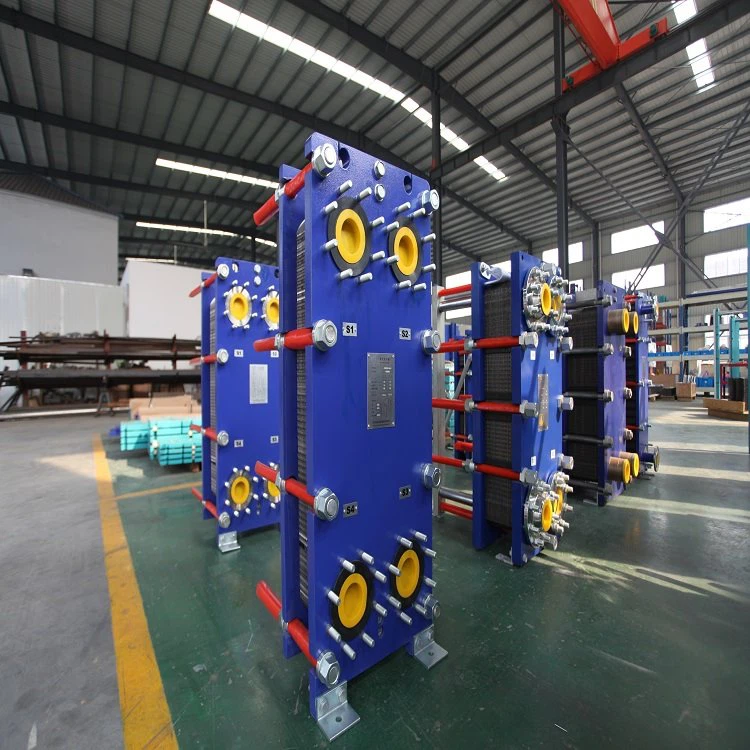
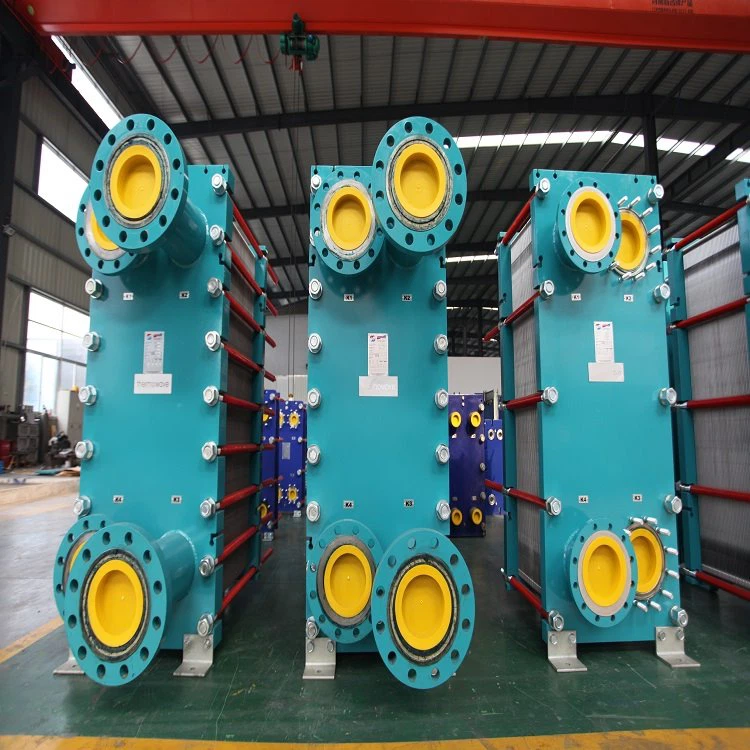
Plate - shell type heat exchangers combine the advantages of both plate heat exchangers and shell - and - tube heat exchangers. They consist of a series of welded plates that form flow channels for the hot and cold fluids. The plates are enclosed within a shell, providing a compact and robust design. The Plate - shell Type heat exchangers offer high heat transfer coefficients due to the large surface area provided by the plates. This allows for efficient heat transfer between the two fluids, even when there is a relatively small temperature difference.
Compared to traditional shell - and - tube heat exchangers, plate - shell type heat exchangers are more compact, which means they require less space in a waste heat recovery system. They also have a lower pressure drop, which can reduce the energy consumption of the pumps or fans used to circulate the fluids. Additionally, the welded construction of plate - shell type heat exchangers provides excellent resistance to corrosion and high - pressure operation, making them suitable for a wide range of industrial applications.
Suitability for Waste Heat Recovery Systems
High Heat Transfer Efficiency
In waste heat recovery systems, the ability to transfer heat efficiently is of utmost importance. Plate - shell type heat exchangers are well - suited for this task. The large surface area of the plates and the turbulent flow created within the channels result in high heat transfer coefficients. This means that they can effectively transfer heat from the waste heat source to the working fluid in the recovery system, maximizing the amount of energy that can be recovered. For example, in industrial processes where hot exhaust gases are a source of waste heat, a plate - shell type heat exchanger can quickly transfer the heat from the gases to a liquid medium, such as water or a heat - transfer fluid.
Compact Design
Space is often a constraint in industrial facilities, especially when retrofitting waste heat recovery systems. The compact design of plate - shell type heat exchangers makes them an attractive option. They can be easily integrated into existing systems without requiring a large footprint. This is particularly beneficial in industries where floor space is at a premium, such as chemical plants or power generation facilities. By using a plate - shell type heat exchanger, companies can implement waste heat recovery systems without having to make significant modifications to their existing infrastructure.
Resistance to Corrosion and High - Pressure
Waste heat sources can often contain corrosive substances, such as acids or alkalis, and may operate at high pressures. Plate - shell type heat exchangers are designed to withstand these harsh conditions. The welded construction of the plates and the shell provides a high level of resistance to corrosion, ensuring a long service life. Additionally, they can handle high - pressure applications, which is common in many industrial waste heat recovery scenarios. For instance, in a steam - based waste heat recovery system, the plate - shell type heat exchanger can operate at high steam pressures without any issues.
Wide Range of Operating Temperatures
Waste heat can be available at a wide range of temperatures, from relatively low - temperature exhaust gases to high - temperature molten metals. Plate - shell type heat exchangers can be designed to operate over a broad temperature range. They can handle both low - temperature waste heat sources, such as the heat from air compressors, and high - temperature sources, such as the exhaust from furnaces. This flexibility makes them suitable for a variety of waste heat recovery applications.
Comparison with Other Heat Exchanger Types
Plate - Frame Type Heat Exchangers
Plate - Frame Type heat exchangers are another popular option for waste heat recovery. While they also offer high heat transfer efficiency, they have some limitations compared to plate - shell type heat exchangers. Plate - frame type heat exchangers are typically made up of a series of plates held together by a frame, and the plates are sealed with gaskets. These gaskets can be a weak point, especially in high - temperature or high - pressure applications, as they may leak or degrade over time. In contrast, plate - shell type heat exchangers have a welded construction, which eliminates the need for gaskets and provides better reliability in harsh operating conditions.
Shell - and - Tube Heat Exchangers
Shell - and - tube heat exchangers are a traditional choice for many industrial applications. However, they are generally less compact than plate - shell type heat exchangers. They also have a lower heat transfer coefficient, which means they may require a larger surface area to achieve the same level of heat transfer. Additionally, shell - and - tube heat exchangers can be more difficult to clean and maintain, especially when dealing with fouling or scaling on the tubes. Plate - shell type heat exchangers, on the other hand, are easier to clean and maintain, and their compact design makes them more suitable for space - constrained waste heat recovery systems.
Case Studies
There are several real - world examples of plate - shell type heat exchangers being used in waste heat recovery systems. In a chemical plant, a plate - shell type heat exchanger was installed to recover waste heat from the hot reaction products. The heat exchanger was able to transfer the heat from the reaction products to a water stream, which was then used to pre - heat the incoming feedstock. This not only reduced the energy consumption of the plant but also improved the overall efficiency of the chemical process.
In a power generation facility, plate - shell type heat exchangers were used to recover waste heat from the exhaust gases of a gas turbine. The recovered heat was used to generate steam, which was then fed into a steam turbine to produce additional electricity. This increased the overall power output of the facility and reduced its reliance on external energy sources.
Challenges and Considerations
While plate - shell type heat exchangers offer many advantages for waste heat recovery systems, there are also some challenges and considerations. One of the main challenges is the initial cost. Plate - shell type heat exchangers can be more expensive to purchase and install compared to some other types of heat exchangers. However, it is important to consider the long - term benefits, such as energy savings and reduced maintenance costs, when evaluating the cost - effectiveness of these heat exchangers.
Another consideration is the fouling of the plates. In waste heat recovery systems, the fluids may contain contaminants that can deposit on the plates, reducing the heat transfer efficiency. Regular cleaning and maintenance are required to prevent fouling and ensure the optimal performance of the heat exchanger. Additionally, the design of the plate - shell type heat exchanger needs to be carefully optimized for the specific waste heat source and the requirements of the recovery system. This may involve considering factors such as the fluid properties, the temperature and pressure conditions, and the flow rates.
Conclusion
In conclusion, plate - shell type heat exchangers are a viable option for waste heat recovery systems. Their high heat transfer efficiency, compact design, resistance to corrosion and high - pressure, and wide range of operating temperatures make them well - suited for a variety of industrial applications. While there are some challenges, such as the initial cost and fouling, these can be managed through proper design, maintenance, and cost - benefit analysis.
As a Plate - shell Type heat exchanger supplier, I am confident in the performance and reliability of our products in waste heat recovery systems. If you are considering implementing a waste heat recovery system or upgrading your existing one, I encourage you to contact us for more information. Our team of experts can help you select the right plate - shell type heat exchanger for your specific needs and provide support throughout the installation and operation of the system. Let's work together to make your waste heat recovery system more efficient and sustainable.
References
- Incropera, F. P., DeWitt, D. P., Bergman, T. L., & Lavine, A. S. (2007). Fundamentals of Heat and Mass Transfer. John Wiley & Sons.
- Kakac, S., & Liu, H. (2002). Heat Exchangers: Selection, Rating, and Thermal Design. CRC Press.
- Stoecker, W. F., & Jones, J. W. (1982). Refrigeration and Air Conditioning. McGraw - Hill.