

As a seasoned supplier of Heat Exchanger Gaskets, I understand the critical role these components play in the efficient and safe operation of heat exchangers. A high - quality gasket can prevent leaks, ensure proper heat transfer, and extend the lifespan of the entire heat exchanger system. Therefore, checking the quality of a heat exchanger gasket before installation is of utmost importance. In this blog, I will share some effective methods to assess the quality of these gaskets.
Visual Inspection
The first step in quality assessment is a thorough visual inspection. Start by examining the gasket's surface for any visible defects. Look for cuts, tears, nicks, or abrasions. These imperfections can compromise the gasket's ability to form a tight seal, leading to potential leaks. A smooth, uniform surface is a good indication of a well - manufactured gasket.
Also, check the color of the gasket. Any discoloration, such as unexpected fading or dark spots, could be a sign of improper curing during the manufacturing process or exposure to harmful substances. For example, if you are dealing with an Epdm Rubber Seal, it should have a consistent color throughout. A significant deviation from the standard color might suggest a problem with the rubber compound or the manufacturing environment.
Inspect the edges of the gasket. They should be cleanly cut and free from burrs or rough edges. Rough edges can cause uneven pressure distribution when the gasket is installed, which may result in leaks over time. A properly cut edge ensures a precise fit within the heat exchanger, enhancing the sealing performance.
Dimensional Accuracy
Dimensional accuracy is crucial for a heat exchanger gasket to function correctly. Use precision measuring tools such as calipers or micrometers to check the key dimensions of the gasket, including thickness, width, and diameter (if applicable). Compare these measurements with the manufacturer's specifications. Even a small deviation from the specified dimensions can lead to improper sealing and reduced performance.
For instance, if the gasket is too thick, it may not fit properly between the heat exchanger plates, causing excessive compression and potential damage to the gasket or the plates. On the other hand, if it is too thin, it may not be able to create an effective seal, allowing fluid or gas to leak. Make sure to measure multiple points on the gasket to ensure uniformity. A consistent thickness across the entire gasket is essential for even pressure distribution and reliable sealing.
Material Compatibility
The material of the gasket must be compatible with the fluids or gases that will come into contact with it in the heat exchanger. Different applications require different gasket materials. For example, NBR Gasket is suitable for applications involving oil - based fluids, while EPDM rubber is more resistant to water, steam, and certain chemicals.
Check the material specifications provided by the manufacturer to ensure that the gasket material is appropriate for your specific heat exchanger application. Incompatible materials can lead to chemical reactions, swelling, or degradation of the gasket over time. This can result in leaks, reduced heat transfer efficiency, and even damage to the heat exchanger itself.
You can also perform a simple chemical compatibility test if possible. Take a small sample of the gasket material and expose it to a small amount of the fluid or gas that it will encounter in the heat exchanger. Observe any changes in the sample, such as swelling, discoloration, or loss of flexibility. If significant changes occur, the gasket material may not be suitable for the application.
Hardness Testing
Hardness is an important property of a heat exchanger gasket. It affects the gasket's ability to conform to the surface of the heat exchanger and create a seal. Use a durometer to measure the hardness of the gasket. The hardness value should fall within the range specified by the manufacturer.
A gasket that is too hard may not be able to conform well to the surface irregularities of the heat exchanger, resulting in poor sealing. Conversely, a gasket that is too soft may be easily compressed and may not maintain its shape under pressure, also leading to leaks. By ensuring that the hardness is within the appropriate range, you can improve the gasket's sealing performance and durability.
Compression Set Testing
Compression set is a measure of how well a gasket retains its shape after being compressed. A high - quality gasket should have a low compression set. To test the compression set, place the gasket between two flat plates and compress it to a specified percentage of its original thickness for a certain period of time. After releasing the pressure, measure the thickness of the gasket again.
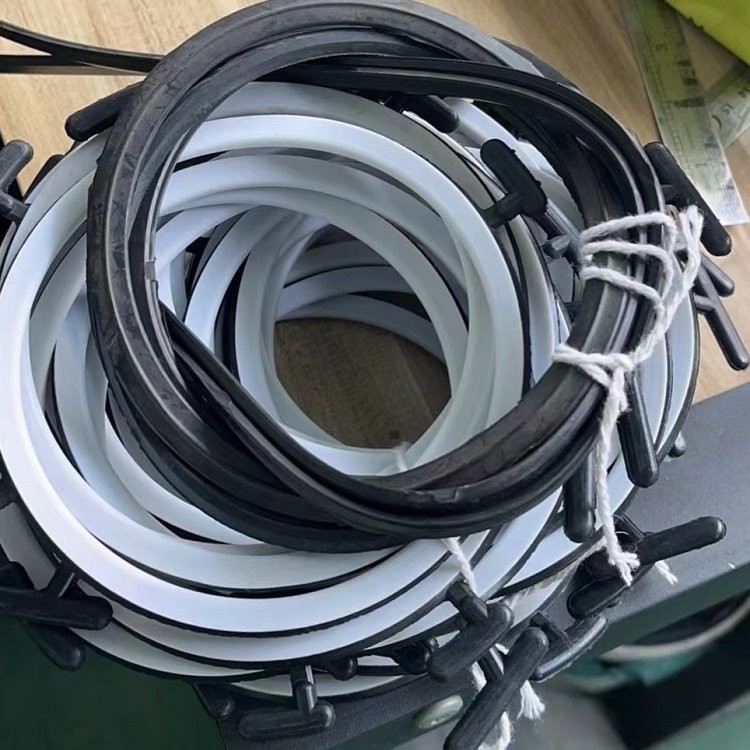

The difference between the original thickness and the final thickness after compression is the compression set. A lower compression set indicates that the gasket will be able to maintain its sealing ability over time, even under repeated compression and decompression cycles. This is especially important in heat exchanger applications where the gasket is subject to fluctuating pressures and temperatures.
Tensile Strength Testing
Tensile strength is the maximum stress a gasket can withstand before breaking when pulled. A gasket with high tensile strength is more likely to resist tearing and damage during installation and operation. You can use a tensile testing machine to measure the tensile strength of the gasket.
The test involves gripping the ends of the gasket and applying a gradually increasing pulling force until the gasket breaks. Record the maximum force applied and calculate the tensile strength based on the cross - sectional area of the gasket. Compare the measured tensile strength with the manufacturer's specifications. A gasket with a lower than expected tensile strength may be more prone to failure, especially in applications where there are high - pressure or dynamic forces acting on the gasket.
Consultation with the Manufacturer
If you have any doubts about the quality of a heat exchanger gasket, do not hesitate to consult with the manufacturer. Reputable manufacturers, like us, are always willing to provide technical support and answer your questions. They can offer detailed information about the manufacturing process, material properties, and quality control measures.
The manufacturer can also provide guidance on proper installation and maintenance of the gasket to ensure optimal performance. By working closely with the manufacturer, you can gain a better understanding of the gasket's capabilities and limitations, and make informed decisions about its suitability for your heat exchanger application.
Conclusion
Checking the quality of a heat exchanger gasket before installation is a multi - step process that involves visual inspection, dimensional accuracy verification, material compatibility assessment, and various mechanical property tests. By following these steps, you can ensure that you are using a high - quality gasket that will provide reliable sealing and long - term performance in your heat exchanger.
If you are in the market for Heat Exchanger Gasket, we are here to assist you. Our company is committed to providing top - quality gaskets that meet the highest industry standards. We offer a wide range of gasket materials and sizes to suit different heat exchanger applications. Whether you need an EPDM rubber seal, an NBR gasket, or any other type of heat exchanger gasket, we have the expertise and products to meet your needs.
Contact us to discuss your specific requirements and start a procurement negotiation. We look forward to working with you to ensure the efficient and reliable operation of your heat exchanger systems.
References
- "Handbook of Gasket Technology" by Robert K. Green
- "Sealing Technology for Engineers" by A.W. Lebeck