

Hey there! As a supplier of Plate-shell Type heat exchangers, I'm super excited to chat with you about the materials used to make these awesome pieces of equipment. In this blog, I'll break down the common materials, their properties, and why they're so crucial for plate - shell type heat exchangers.
The Basics of Plate - Shell Type Heat Exchangers
Before we dive into the materials, let's quickly go over what plate - shell type heat exchangers are. They're a type of heat exchanger that combines the features of plate heat exchangers and shell - and - tube heat exchangers. They're great for transferring heat between two fluids, and they're used in a bunch of industries like chemical processing, power generation, and refrigeration.
Common Materials for Plate - Shell Type Heat Exchangers
Stainless Steel
Stainless steel is one of the most widely used materials for plate - shell type heat exchangers. There are different grades of stainless steel, but the most common ones are 304 and 316.
- Properties: Stainless steel is corrosion - resistant, which is a huge plus. It can withstand a wide range of temperatures and pressures, making it suitable for various applications. It's also relatively easy to fabricate, so it's cost - effective.
- Why it's used: In the chemical industry, where corrosive chemicals are often involved, stainless steel heat exchangers can last a long time without getting damaged. For example, in a chemical plant that produces acids, a 316 stainless steel plate - shell type heat exchanger can handle the corrosive environment and transfer heat efficiently.
Titanium
Titanium is another important material, especially for applications where high corrosion resistance is required.
- Properties: Titanium has excellent corrosion resistance, even in harsh environments like seawater. It's also very strong and lightweight. However, it's more expensive than stainless steel.
- Why it's used: In the marine industry, plate - shell type heat exchangers made of titanium are used to cool engines. The seawater can be very corrosive, but titanium can handle it without any issues. This ensures the long - term performance of the heat exchanger and reduces maintenance costs.
Nickel - Based Alloys
Nickel - based alloys, such as Inconel and Hastelloy, are used in extreme conditions.
- Properties: These alloys have high resistance to corrosion, oxidation, and high - temperature creep. They can withstand very high temperatures and pressures, making them suitable for demanding applications.
- Why it's used: In the petrochemical industry, where high - temperature and high - pressure processes are common, nickel - based alloy plate - shell type heat exchangers are used. For example, in a refinery, they can handle the cracking process, which involves high - temperature reactions.
Plate Materials vs. Shell Materials
It's important to note that the materials used for the plates and the shell of the heat exchanger can be different.
- Plates: The plates are in direct contact with the fluids, so they need to have good heat transfer properties and corrosion resistance. Stainless steel, titanium, and nickel - based alloys are commonly used for plates. For example, in a food processing plant, stainless steel plates are used because they're hygienic and can transfer heat efficiently.
- Shell: The shell provides structural support and protects the plates. It doesn't need to have the same level of heat transfer properties as the plates. Carbon steel is often used for the shell because it's strong and relatively inexpensive. However, if the shell is also in contact with corrosive fluids, stainless steel or other corrosion - resistant materials may be used.
The Impact of Material Selection on Performance
The choice of materials can have a big impact on the performance of the plate - shell type heat exchanger.
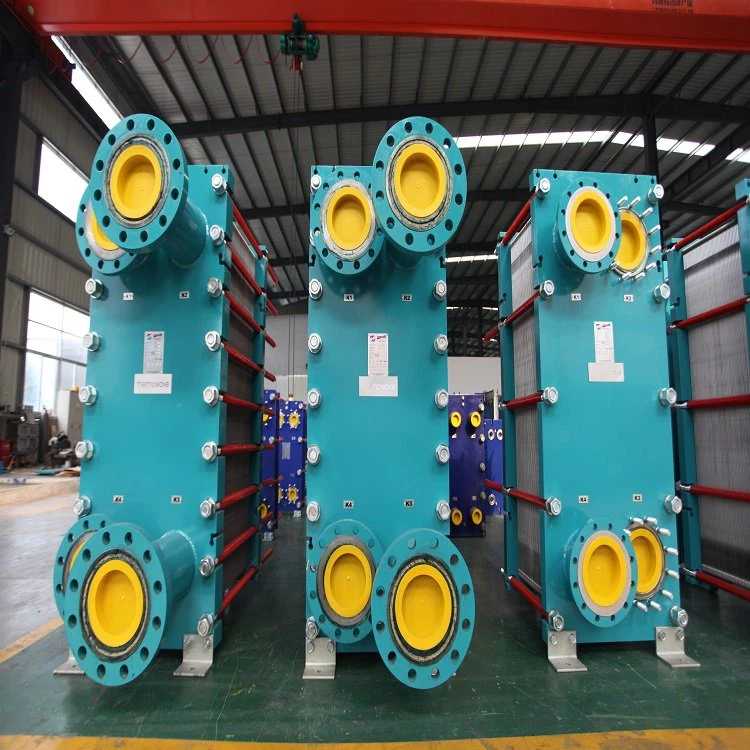
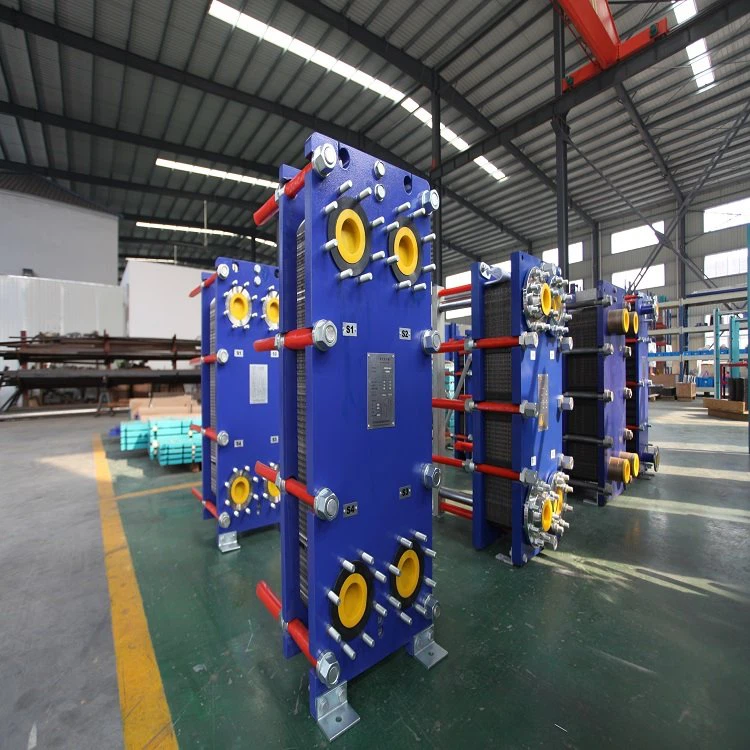
- Heat Transfer Efficiency: Materials with high thermal conductivity, like copper or aluminum, can enhance heat transfer. However, they may not be suitable for all applications due to corrosion or other issues. Stainless steel has a relatively good balance between thermal conductivity and corrosion resistance, so it's a popular choice.
- Durability: Corrosion - resistant materials like titanium and nickel - based alloys can increase the lifespan of the heat exchanger. This reduces the need for frequent replacements and maintenance, which can save a lot of money in the long run.
- Cost: The cost of materials is an important factor. While stainless steel is relatively inexpensive, titanium and nickel - based alloys are more expensive. However, in some applications, the benefits of using these expensive materials outweigh the cost.
Comparing Plate - Shell Type with Plate-Frame Type
When it comes to heat exchangers, the Plate-Frame Type is another option. While both types have similar functions, there are some differences in the materials used.
- Plate - Frame Type: Plate - frame type heat exchangers often use gaskets to seal the plates. The plates are usually made of stainless steel or other metals, and the gaskets can be made of various materials like rubber. They're more suitable for applications where the pressure and temperature are relatively low.
- Plate - Shell Type: Plate - shell type heat exchangers are welded, which makes them more suitable for high - pressure and high - temperature applications. The materials used are often more robust, such as titanium and nickel - based alloys.
Making the Right Material Choice
So, how do you choose the right materials for your plate - shell type heat exchanger?
- Understand Your Application: Consider the type of fluids, the temperature, and the pressure of your application. If you're dealing with corrosive fluids, you'll need a corrosion - resistant material. If you have high - temperature processes, you'll need a material that can withstand the heat.
- Cost - Benefit Analysis: Evaluate the cost of the materials and the benefits they provide. Sometimes, spending a little more on a high - quality material can save you money in the long run due to reduced maintenance and longer lifespan.
- Consult an Expert: If you're not sure which material to choose, it's a good idea to consult an expert. As a Plate-shell Type heat exchanger supplier, we have a team of experts who can help you make the right decision.
Wrapping Up and Invitation to Contact
In conclusion, the materials used to make plate - shell type heat exchangers play a crucial role in their performance, durability, and cost. Whether it's stainless steel, titanium, or nickel - based alloys, each material has its own unique properties and applications.
If you're in the market for a plate - shell type heat exchanger or you have any questions about material selection, don't hesitate to reach out. We're here to help you find the best solution for your needs. Just let us know your requirements, and we'll work with you to provide a high - quality heat exchanger that meets your expectations.
References
- "Heat Exchanger Design Handbook" by Hewitt, G. F.
- "Materials Science and Engineering: An Introduction" by Callister, W. D.
- Industry reports on heat exchanger materials and applications.