

In the field of industrial filtration, understanding the throughput of different filtration systems is crucial for efficient and cost - effective operations. As a supplier of Plate - Frame Type filtration equipment, I am well - versed in the nuances of its throughput and how it can meet diverse industrial needs.
What is Throughput in Filtration?
Throughput in filtration refers to the volume of fluid that can be processed by a filtration system within a given period. It is typically measured in units such as liters per hour (L/h) or cubic meters per day (m³/d). The throughput of a filtration system is influenced by several factors, including the type of filter media, the design of the filtration equipment, the properties of the fluid being filtered, and the operating conditions.
Plate - Frame Type Filtration: An Overview
The Plate - Frame Type filtration system consists of a series of plates and frames arranged alternately. The plates are fitted with filter media, and the frames provide the space for the filtrate to collect. When the fluid to be filtered is pumped into the system, it passes through the filter media, and the solids are retained on the surface of the media, while the clean filtrate flows out through the outlets.
This type of filtration system is known for its versatility and ability to handle a wide range of solid concentrations and particle sizes. It can be used in various industries, including chemical, pharmaceutical, food and beverage, and wastewater treatment.
Factors Affecting the Throughput of Plate - Frame Type Filtration
1. Filter Media
The choice of filter media is one of the most critical factors affecting the throughput of a Plate - Frame Type filtration system. Different filter media have different pore sizes, porosities, and surface properties, which determine their ability to allow the fluid to pass through while retaining the solids.
For example, a filter media with a large pore size will generally have a higher throughput because it offers less resistance to the flow of the fluid. However, it may not be suitable for applications where fine particles need to be removed. On the other hand, a filter media with a small pore size can provide a higher level of filtration but may result in a lower throughput due to the increased resistance to flow.
2. Operating Pressure
The operating pressure is another important factor that affects the throughput of a Plate - Frame Type filtration system. Increasing the operating pressure can increase the driving force for the fluid to pass through the filter media, thereby increasing the throughput. However, there is a limit to how much pressure can be applied. Excessive pressure can cause the filter media to rupture or the solids to penetrate the media, leading to a decrease in the quality of the filtrate.
3. Solid Concentration and Particle Size
The concentration of solids in the fluid being filtered and the size of the particles also have a significant impact on the throughput. A higher solid concentration means that more solids need to be retained on the filter media, which can quickly clog the media and reduce the throughput. Similarly, fine particles can be more difficult to filter and can cause the filter media to blind more rapidly.
4. Plate and Frame Design
The design of the plates and frames in a Plate - Frame Type filtration system can also affect the throughput. Factors such as the thickness of the plates, the shape of the flow channels, and the number of plates and frames in the system can all influence the flow of the fluid through the system. For example, a system with well - designed flow channels can minimize the resistance to flow and increase the throughput.
Calculating the Throughput of Plate - Frame Type Filtration
The throughput of a Plate - Frame Type filtration system can be estimated using the following general formula:
[Q=\frac{K\times A\times\Delta P}{\mu\times R}]
where:
- (Q) is the throughput (volume per unit time)
- (K) is a constant that depends on the properties of the filter media and the system design
- (A) is the total filtration area (the sum of the areas of all the filter media in the system)
- (\Delta P) is the pressure difference across the filter media
- (\mu) is the viscosity of the fluid being filtered
- (R) is the resistance to flow, which includes the resistance of the filter media and the cake of solids that forms on the media during filtration
It should be noted that this is a simplified formula, and in practice, the calculation of the throughput may be more complex, as it may require taking into account other factors such as the non - linear behavior of the filter media and the changes in the properties of the fluid and the cake during filtration.
Comparison with Other Filtration Types
When compared to other filtration types, such as Plate - shell Type, the Plate - Frame Type filtration system has its own advantages and disadvantages in terms of throughput.
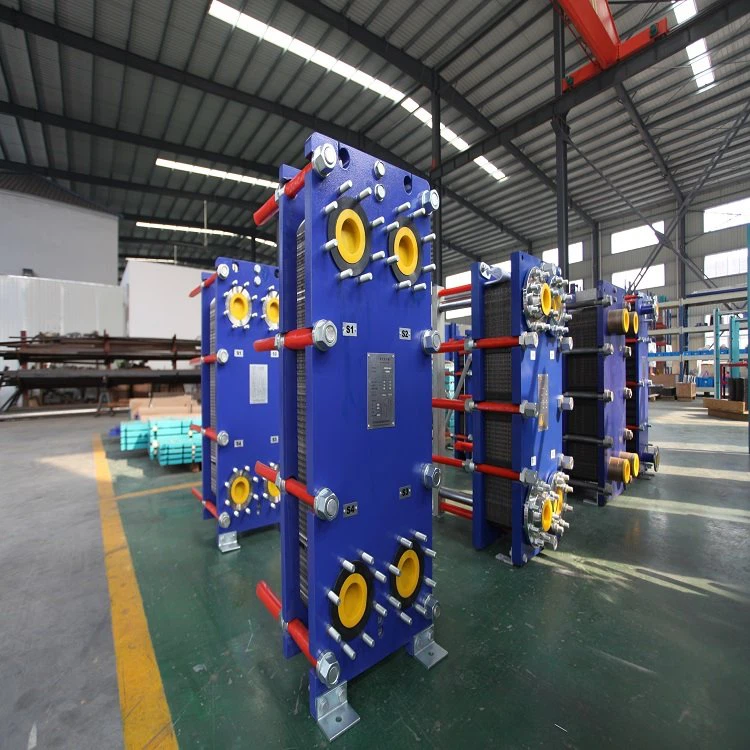
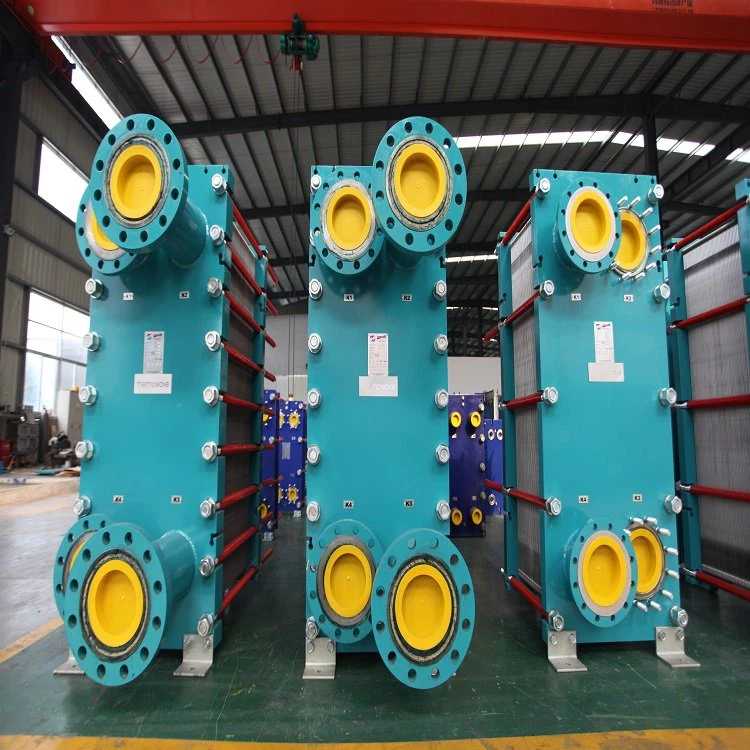
The Plate - shell Type filtration system is generally more compact and can handle higher flow rates in some cases. However, it may be more difficult to clean and maintain, and it may not be as suitable for applications where a high level of solids removal is required.
The Plate - Frame Type filtration system, on the other hand, offers greater flexibility in terms of filter media selection and can be easily disassembled for cleaning and replacement of the filter media. It can also handle a wider range of solid concentrations and particle sizes, although its throughput may be lower in some high - flow applications.
Optimizing the Throughput of Plate - Frame Type Filtration
To optimize the throughput of a Plate - Frame Type filtration system, the following strategies can be employed:
1. Select the Right Filter Media
Choose a filter media that is suitable for the specific application in terms of pore size, porosity, and chemical compatibility. Conducting pilot tests can help in determining the most appropriate filter media for a given fluid and filtration requirements.
2. Control the Operating Conditions
Maintain the operating pressure within the recommended range to ensure a balance between throughput and filtration quality. Monitor and adjust the temperature and viscosity of the fluid if necessary, as these factors can also affect the throughput.
3. Regular Maintenance
Regularly clean and replace the filter media to prevent clogging and maintain the efficiency of the filtration system. Inspect the plates and frames for any signs of damage or wear and repair or replace them as needed.
4. System Design Optimization
Consider the design of the Plate - Frame Type filtration system, including the number of plates and frames, the shape of the flow channels, and the layout of the inlets and outlets. A well - designed system can minimize the resistance to flow and increase the throughput.
Conclusion
Understanding the throughput of Plate - Frame Type filtration is essential for achieving efficient and effective filtration in various industrial applications. As a supplier of Plate - Frame Type filtration equipment, I am committed to providing our customers with high - quality products and technical support to help them optimize the throughput of their filtration systems.
If you are looking for a reliable Plate - Frame Type filtration solution for your industrial needs, we invite you to contact us for a detailed discussion. Our team of experts can assist you in selecting the right equipment and optimizing the throughput based on your specific requirements.
References
- Purchas, D. B., & Sutherland, L. L. (2002). Industrial Filtration of Liquids. Elsevier.
- Wakeman, R. J., & Tarleton, E. S. (2005). Solid - Liquid Filtration and Separation Technology. Wiley - VCH.