

The maintenance cost of plate - shell type heat exchangers is a critical consideration for many industries relying on efficient heat transfer solutions. As a supplier of Plate - shell Type heat exchangers, I have in - depth knowledge of the factors influencing these costs and how to manage them effectively.
1. Components and Their Impact on Maintenance Cost
A plate - shell type heat exchanger consists of several key components, each with its own maintenance requirements. The plates, which are the core of heat transfer, are usually made of materials like stainless steel, titanium, or nickel alloys. These materials are chosen for their corrosion resistance and heat transfer properties. However, over time, the plates can be subject to fouling, corrosion, and mechanical damage.
Fouling occurs when deposits build up on the surface of the plates. This can be caused by impurities in the fluids passing through the heat exchanger, such as minerals, dirt, or biological matter. The presence of fouling reduces the heat transfer efficiency, as it acts as an insulator between the fluids. To remove fouling, chemical cleaning or mechanical cleaning methods may be required. Chemical cleaning involves using acids or alkalis to dissolve the deposits, while mechanical cleaning may use brushes, high - pressure water jets, or ultrasonic cleaners. The cost of these cleaning methods includes the cost of cleaning agents, labor, and any equipment needed.
Corrosion is another major concern. If the fluid is corrosive, it can gradually eat away at the plates, leading to leaks and reduced performance. The cost of dealing with corrosion includes the cost of inspecting the plates for signs of corrosion, replacing corroded plates, and implementing corrosion - prevention measures such as using corrosion - resistant coatings or selecting more appropriate materials in the first place.
The shell of the heat exchanger also requires maintenance. It protects the plates from external damage and contains the fluids. The shell can be subject to physical damage from impacts, vibrations, or thermal stress. Repairing or replacing a damaged shell can be a significant cost, especially if it is made of a thick or specialized material.
2. Operational Conditions and Maintenance Cost
The operational conditions under which a plate - shell type heat exchanger operates have a direct impact on its maintenance cost. The temperature and pressure of the fluids passing through the heat exchanger are important factors. High - temperature and high - pressure operations can increase the stress on the plates and the shell, leading to more rapid wear and tear. For example, at high temperatures, the material of the plates may expand and contract, which can cause fatigue cracking over time.
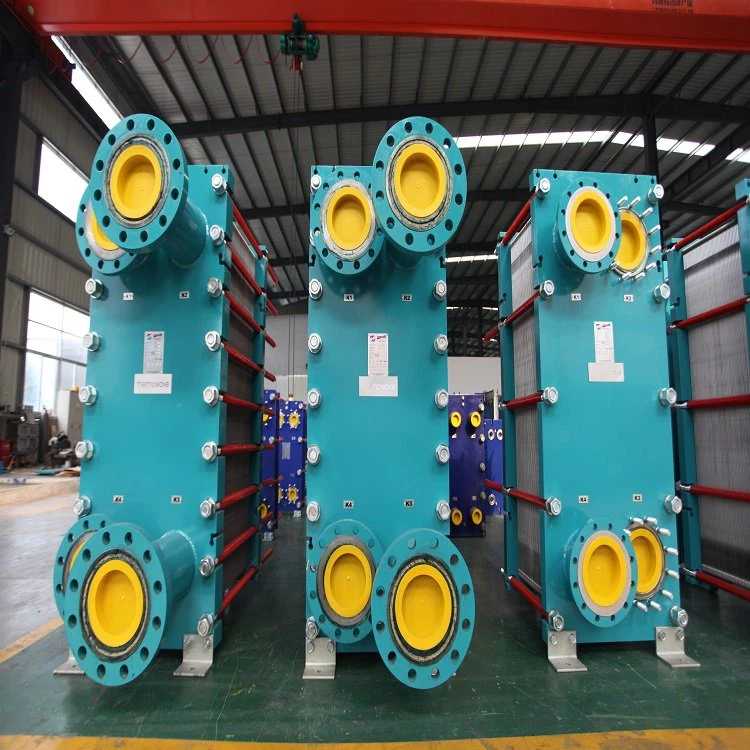
The flow rate of the fluids also matters. If the flow rate is too high, it can cause erosion of the plates, especially at the inlets and outlets. On the other hand, if the flow rate is too low, it can contribute to fouling. Maintaining an optimal flow rate requires proper monitoring and adjustment of the pumps and valves in the system, which incurs additional maintenance and energy costs.
The quality of the fluids is another crucial aspect. Fluids with high levels of suspended solids, chemicals, or microorganisms are more likely to cause fouling and corrosion. Pretreating the fluids, such as filtering out solids or adding corrosion inhibitors, can help reduce maintenance costs in the long run, but it also adds to the initial investment and ongoing operating costs.
3. Comparison with Plate - Frame Type Heat Exchangers
When considering the maintenance cost of plate - shell type heat exchangers, it is useful to compare them with Plate - Frame Type heat exchangers. Plate - frame type heat exchangers are more modular and easier to disassemble for cleaning and inspection. The plates in a plate - frame type heat exchanger are typically held together by gaskets, which can be replaced relatively easily if they become damaged.
In contrast, plate - shell type heat exchangers are more welded and integrated, which means that disassembly for maintenance is more complex and time - consuming. However, plate - shell type heat exchangers are generally more suitable for high - pressure and high - temperature applications, and they have a more compact design, which can save space in industrial settings.
The maintenance cost of plate - frame type heat exchangers may be lower in terms of routine cleaning and gasket replacement, but they may be less durable in harsh operating conditions. Plate - shell type heat exchangers, while having higher initial and disassembly costs for maintenance, may offer better long - term performance and reliability in demanding applications.
4. Strategies to Reduce Maintenance Cost
As a supplier, I recommend several strategies to reduce the maintenance cost of plate - shell type heat exchangers. Firstly, proper installation is crucial. Ensuring that the heat exchanger is installed correctly, with proper alignment and support, can prevent premature damage caused by misalignment or excessive stress.
Regular inspection is also essential. By conducting routine inspections, potential problems such as fouling, corrosion, or mechanical damage can be detected early. Early detection allows for timely maintenance, which can prevent minor issues from developing into major problems that require expensive repairs or replacements.
Implementing a preventive maintenance program is another effective strategy. This program can include regular cleaning schedules, fluid analysis, and equipment calibration. For example, by analyzing the chemical composition of the fluids, appropriate corrosion inhibitors can be added at the right time to prevent corrosion.
Proper training of the operating staff is also important. Well - trained staff can operate the heat exchanger more efficiently, detect early signs of problems, and perform basic maintenance tasks correctly. This can reduce the need for frequent external maintenance services and associated costs.
5. Long - Term Cost Considerations
When evaluating the maintenance cost of plate - shell type heat exchangers, it is important to consider the long - term cost. While the initial purchase price and the maintenance cost are significant factors, the overall efficiency and lifespan of the heat exchanger also play a crucial role.
A high - quality plate - shell type heat exchanger, even with a relatively high initial cost, may have lower long - term maintenance costs due to its better durability and performance. It can provide more efficient heat transfer over a longer period, which can result in energy savings and reduced downtime.
Downtime is another important cost factor. When a heat exchanger breaks down, it can cause production delays, which can be extremely costly for industrial operations. By investing in a reliable plate - shell type heat exchanger and implementing an effective maintenance program, the risk of unplanned downtime can be minimized.
6. Conclusion and Call to Action
In conclusion, the maintenance cost of plate - shell type heat exchangers is influenced by multiple factors, including the components, operational conditions, and comparison with other types of heat exchangers. However, with proper strategies such as correct installation, regular inspection, preventive maintenance, and staff training, these costs can be effectively managed.
As a trusted supplier of Plate - shell Type heat exchangers, we are committed to providing high - quality products and comprehensive after - sales services to help you reduce maintenance costs and improve the efficiency of your heat transfer systems. If you are interested in learning more about our plate - shell type heat exchangers or have any questions regarding maintenance costs, please feel free to contact us for further discussion and procurement negotiation.
References
- Incropera, F. P., DeWitt, D. P., Bergman, T. L., & Lavine, A. S. (2007). Fundamentals of Heat and Mass Transfer. John Wiley & Sons.
- Green, D. W., & Perry, R. H. (2007). Perry's Chemical Engineers' Handbook. McGraw - Hill.
- Stoecker, W. F. (1989). Refrigeration and Air Conditioning. McGraw - Hill.