

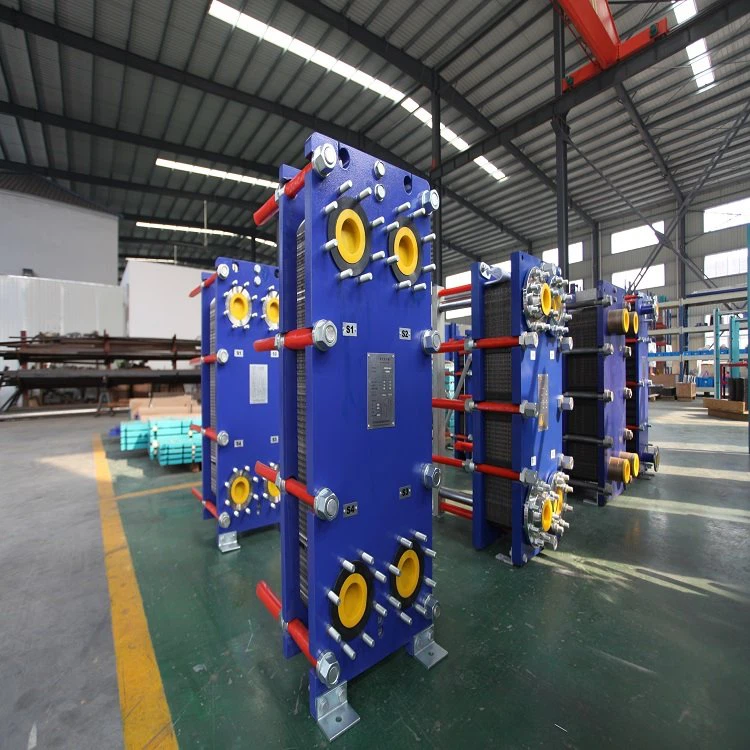
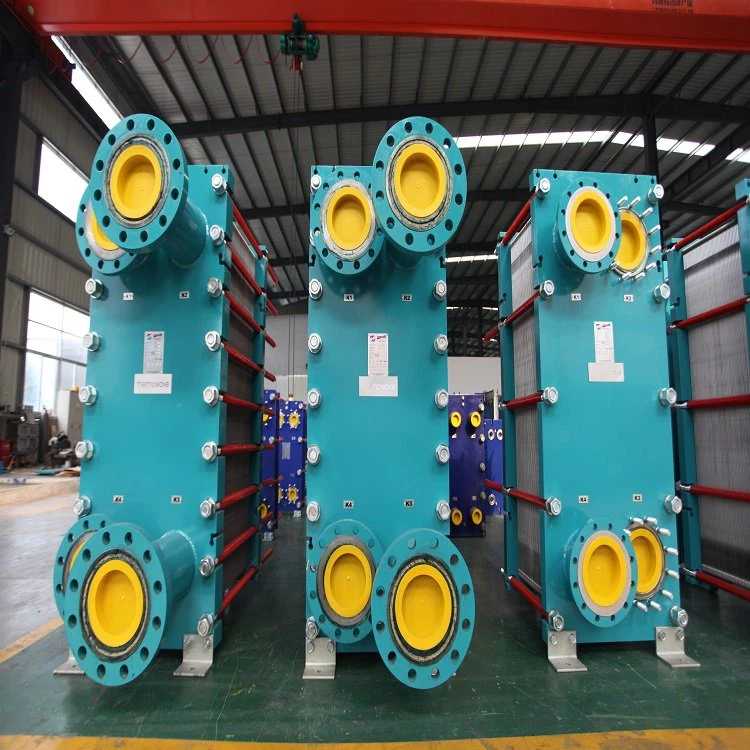
As a dedicated supplier of Plate - Frame Type equipment, I've witnessed firsthand the growing interest in understanding the energy efficiency ratio (EER) of such machinery. In this blog, I'll delve into what the energy efficiency ratio of Plate - Frame Type equipment is, why it matters, and how it compares to other types like the Plate - shell Type.
Understanding the Energy Efficiency Ratio
The energy efficiency ratio (EER) is a critical metric that measures the effectiveness of a piece of equipment in converting energy into useful work. For Plate - Frame Type equipment, which is commonly used in heat exchange applications, the EER represents the ratio of the heat transfer rate (the amount of heat transferred from one fluid to another) to the energy input required to operate the equipment.
Mathematically, EER = Q / P, where Q is the heat transfer rate (in watts or British thermal units per hour - BTU/h) and P is the power consumption (in watts). A higher EER indicates that the equipment can transfer more heat with less energy consumption, making it more energy - efficient.
Factors Affecting the EER of Plate - Frame Type Equipment
Several factors can influence the energy efficiency ratio of Plate - Frame Type equipment.
Plate Design
The design of the plates in Plate - Frame Type equipment plays a crucial role. Plates with well - designed corrugations can enhance fluid turbulence, which in turn improves heat transfer efficiency. When the fluid flows through the channels formed by the plates, the corrugations create a chaotic flow pattern, increasing the contact area between the hot and cold fluids and facilitating better heat exchange. This means that more heat can be transferred for the same amount of energy input, resulting in a higher EER.
Fluid Properties
The properties of the fluids being used also matter. Fluids with high thermal conductivity, such as water, can transfer heat more effectively than those with low thermal conductivity. Additionally, the viscosity of the fluid affects the flow resistance. High - viscosity fluids may require more energy to pump through the equipment, which can reduce the overall EER.
Operating Conditions
The temperature difference between the hot and cold fluids, as well as the flow rates, are important operating conditions. A larger temperature difference generally leads to a higher heat transfer rate. However, if the flow rates are too high, it may increase the pressure drop across the equipment, requiring more energy to pump the fluids. Finding the optimal balance between temperature difference and flow rates is essential for maximizing the EER.
Importance of EER in Plate - Frame Type Equipment
Cost Savings
One of the most significant benefits of high - EER Plate - Frame Type equipment is cost savings. In industrial applications, where large amounts of energy are consumed for heat exchange processes, a more energy - efficient unit can lead to substantial reductions in electricity or fuel costs. Over the long term, these savings can add up significantly, making the initial investment in high - EER equipment well worth it.
Environmental Impact
Energy - efficient equipment also has a positive environmental impact. By consuming less energy, Plate - Frame Type equipment with a high EER reduces greenhouse gas emissions associated with energy production. This aligns with global efforts to combat climate change and promotes sustainable industrial practices.
Competitiveness
In today's market, companies are increasingly looking for ways to improve their energy efficiency. By offering Plate - Frame Type equipment with a high EER, we as suppliers can help our customers gain a competitive edge. Energy - efficient equipment can lead to lower production costs, which can be passed on to consumers in the form of more competitive prices.
Comparing Plate - Frame Type with Plate - shell Type
It's also important to compare the energy efficiency ratio of Plate - Frame Type equipment with Plate - shell Type equipment.
Plate - Frame Type equipment typically has a more flexible design, allowing for easy maintenance and the ability to adjust the number of plates according to the specific heat transfer requirements. This flexibility can sometimes result in a higher EER, especially in applications where the heat transfer requirements vary over time.
On the other hand, Plate - shell Type equipment is known for its high - pressure and high - temperature capabilities. While it may have a different EER profile depending on the application, it can be more suitable for certain industrial processes where these extreme conditions are present.
Measuring and Improving the EER of Plate - Frame Type Equipment
To measure the EER of Plate - Frame Type equipment, accurate measurements of the heat transfer rate and power consumption are required. Specialized instruments can be used to measure the temperature and flow rates of the fluids, which are then used to calculate the heat transfer rate. Power meters can be used to measure the electrical power consumption of the pumps and other auxiliary equipment.
Improving the EER of Plate - Frame Type equipment can be achieved through several strategies. Regular maintenance, such as cleaning the plates to remove any fouling or deposits, can help maintain optimal heat transfer efficiency. Upgrading to plates with more advanced designs can also enhance the EER. Additionally, optimizing the operating conditions, such as adjusting the flow rates and temperature difference, can lead to better energy efficiency.
Conclusion
In conclusion, the energy efficiency ratio of Plate - Frame Type equipment is a vital metric that reflects its ability to transfer heat effectively while consuming less energy. Understanding the factors that affect the EER, such as plate design, fluid properties, and operating conditions, is essential for both suppliers and users.
As a supplier of Plate - Frame Type equipment, we are committed to providing high - quality products with excellent energy efficiency. Our team of experts can work with you to select the most suitable equipment for your specific application and help you optimize its performance to achieve the highest possible EER.
If you're interested in learning more about our Plate - Frame Type equipment or have any questions regarding energy efficiency, we encourage you to reach out for a procurement discussion. We look forward to the opportunity to serve you and help you achieve your energy - efficiency goals.
References
- Incropera, F. P., DeWitt, D. P., Bergman, T. L., & Lavine, A. S. (2007). Fundamentals of Heat and Mass Transfer. John Wiley & Sons.
- Kakac, S., & Liu, H. (2002). Heat Exchangers: Selection, Rating, and Thermal Design. CRC Press.