

Hey there! As a supplier of Plate-shell Type heat exchangers, I've seen firsthand how flow maldistribution can be a real pain in the you-know-what for these systems. In this blog, I'm gonna share some tips on how to solve those pesky flow maldistribution problems in Plate-shell Type heat exchangers.
First off, let's talk about what flow maldistribution actually is. Simply put, it's when the fluid flowing through a heat exchanger doesn't distribute evenly across all the channels or passages. This can lead to a whole bunch of issues, like reduced heat transfer efficiency, increased pressure drop, and even premature equipment failure. And trust me, none of those things are good news for your bottom line.
So, how do we solve this problem? Well, there are a few different approaches we can take.
1. Optimize the Inlet and Outlet Design
One of the main causes of flow maldistribution is a poorly designed inlet or outlet. If the fluid isn't entering or leaving the heat exchanger in a uniform way, it's gonna cause problems downstream. That's why it's super important to pay close attention to the inlet and outlet design.
For the inlet, we can use things like distributor plates or nozzles to help spread the fluid out more evenly. These devices can help break up the flow and direct it into the different channels or passages in a more controlled manner. And for the outlet, we can use collectors or diffusers to ensure that the fluid exits the heat exchanger smoothly and without any major disruptions.
2. Check the Plate Geometry
Another factor that can contribute to flow maldistribution is the plate geometry. The shape and size of the plates in a Plate-shell Type heat exchanger can have a big impact on how the fluid flows through the system. If the plates are too narrow or too wide, or if they have sharp corners or irregular shapes, it can cause the fluid to get stuck or flow unevenly.
To solve this problem, we need to make sure that the plate geometry is optimized for the specific application. This might involve adjusting the plate spacing, changing the plate shape, or using different types of plates altogether. By fine-tuning the plate geometry, we can improve the flow distribution and reduce the risk of maldistribution.
3. Monitor the Fluid Properties
The properties of the fluid flowing through the heat exchanger can also play a role in flow maldistribution. Things like viscosity, density, and temperature can all affect how the fluid behaves and how it flows through the system. If the fluid properties change over time or if there are variations in the fluid composition, it can cause problems with the flow distribution.
That's why it's important to monitor the fluid properties regularly and make any necessary adjustments. For example, if the fluid viscosity increases, we might need to increase the flow rate or adjust the temperature to keep the fluid flowing smoothly. By keeping a close eye on the fluid properties, we can prevent flow maldistribution and ensure that the heat exchanger is operating at its best.
4. Use Flow Control Devices
In some cases, it might be necessary to use flow control devices to help solve the flow maldistribution problem. These devices can include things like valves, dampers, or flow meters, which can be used to regulate the flow of fluid through the system.
For example, we can use valves to adjust the flow rate in different channels or passages, or to isolate certain areas of the heat exchanger if there are problems with the flow. Flow meters can also be used to measure the flow rate and provide feedback on the performance of the system. By using these flow control devices, we can have more control over the flow distribution and make any necessary adjustments in real-time.
5. Conduct Regular Maintenance
Last but not least, regular maintenance is crucial for preventing flow maldistribution in Plate-shell Type heat exchangers. Over time, the plates and other components in the heat exchanger can become fouled or damaged, which can affect the flow distribution. That's why it's important to schedule regular maintenance checks and cleanings to keep the system in good working order.
During the maintenance checks, we can inspect the plates for any signs of damage or fouling, and clean them if necessary. We can also check the inlet and outlet devices, the flow control devices, and the other components of the system to make sure they are all functioning properly. By staying on top of the maintenance, we can catch any potential problems early and prevent them from turning into major issues.
As a Plate-shell Type heat exchanger supplier, we've got the expertise and experience to help you solve your flow maldistribution problems. We offer a wide range of Plate-shell Type heat exchangers, as well as Plate-Frame Type heat exchangers, that are designed to meet the specific needs of your application.
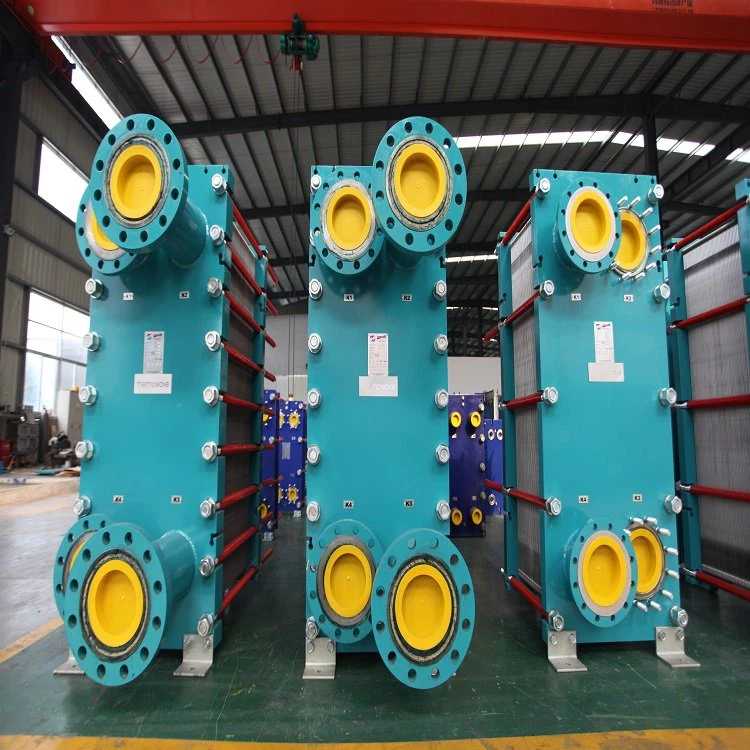
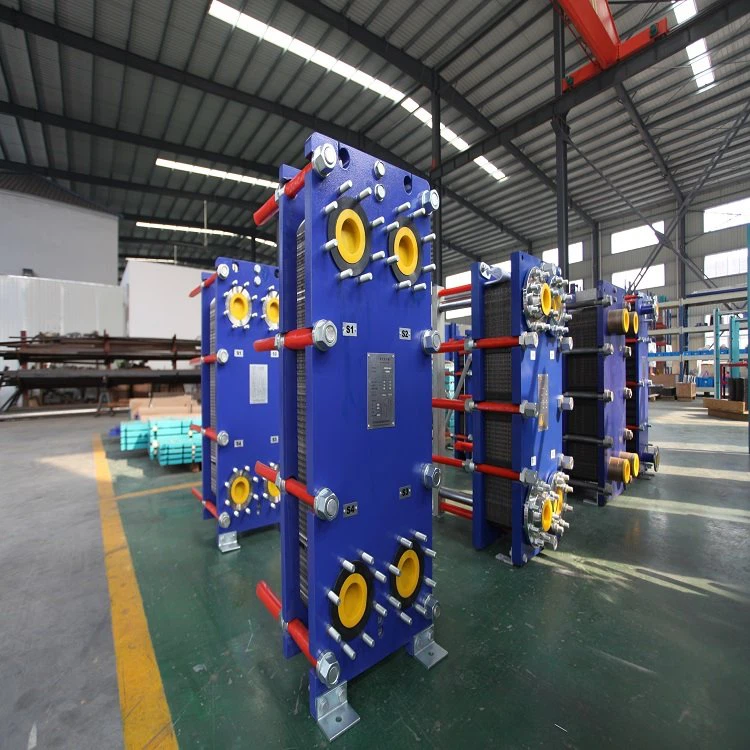
If you're having trouble with flow maldistribution in your heat exchanger, or if you're just looking for some advice on how to optimize your system, don't hesitate to get in touch with us. We'd love to have a chat with you and see how we can help. Whether it's through design optimization, maintenance services, or the supply of high-quality heat exchangers, we're here to support you every step of the way. So, let's work together to solve those flow maldistribution problems and get your heat exchanger running at its best!
References
- Smith, J. (2018). Heat Exchanger Design Handbook. New York: McGraw-Hill.
- Jones, R. (2019). Flow Distribution in Plate Heat Exchangers. Journal of Thermal Science and Engineering Applications, 11(2), 021003.
- Brown, S. (2020). Optimization of Plate Geometry for Improved Flow Distribution in Heat Exchangers. International Journal of Heat and Mass Transfer, 148, 119072.