

Monitoring the performance of Plate - Frame Type systems is crucial for ensuring their efficiency, reliability, and longevity. As a trusted Plate - Frame Type supplier, I understand the significance of this process and am here to share valuable insights on how to effectively monitor these systems.
Understanding Plate - Frame Type Systems
Before delving into performance monitoring, it's essential to have a clear understanding of Plate - Frame Type systems. These systems are widely used in various industries, including chemical processing, food and beverage, and HVAC, for heat transfer applications. They consist of a series of plates that are clamped together in a frame, creating channels for the hot and cold fluids to flow through. The plates are designed to maximize the surface area for heat transfer, allowing for efficient exchange of thermal energy between the two fluids.
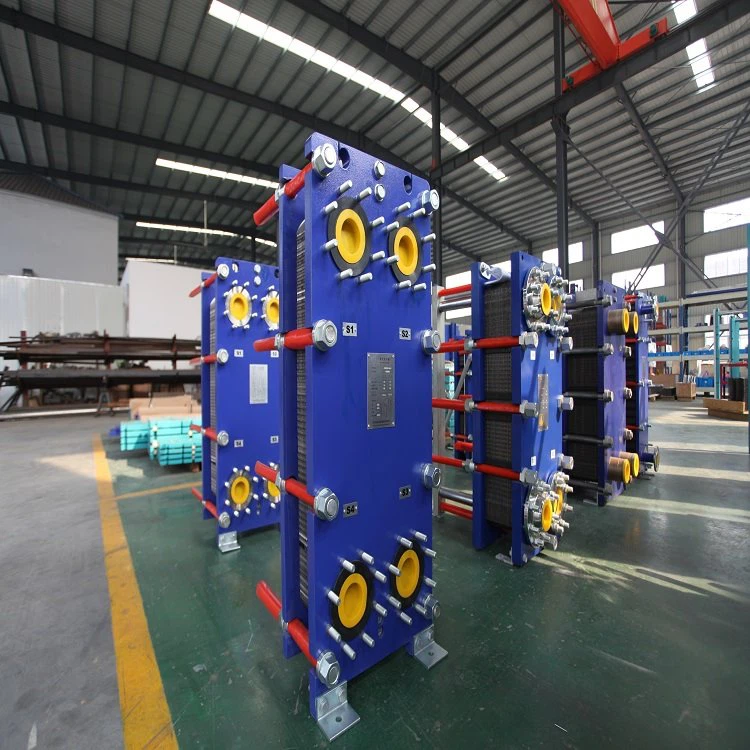
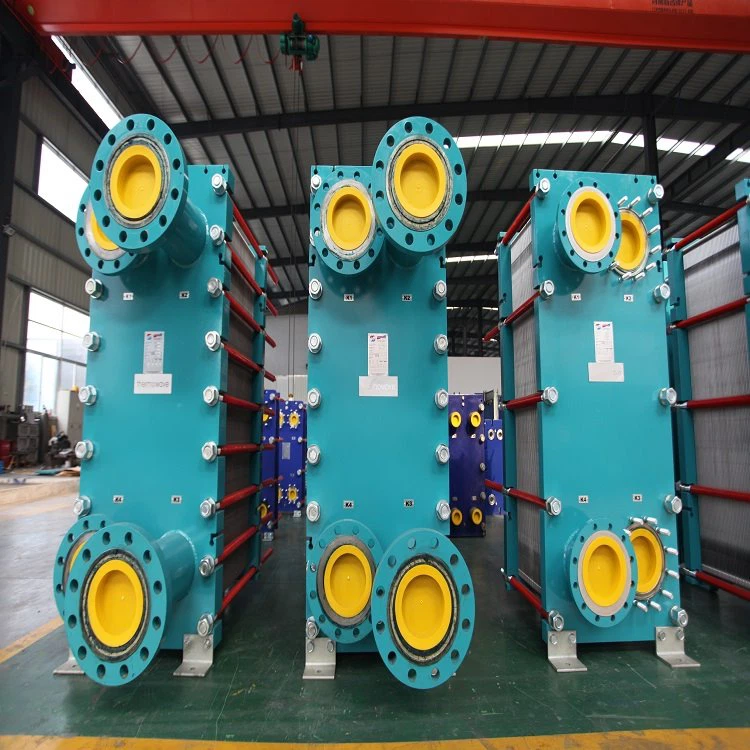
The Plate - Frame Type systems offer several advantages, such as high heat transfer efficiency, compact design, and easy maintenance. However, like any other equipment, they require regular monitoring to ensure optimal performance.
Key Performance Indicators (KPIs) for Plate - Frame Type Systems
To effectively monitor the performance of Plate - Frame Type systems, it's important to identify and track key performance indicators (KPIs). These KPIs provide valuable insights into the system's efficiency, reliability, and overall health. Some of the most important KPIs for Plate - Frame Type systems include:
1. Heat Transfer Efficiency
Heat transfer efficiency is one of the most critical KPIs for Plate - Frame Type systems. It measures how effectively the system transfers thermal energy from the hot fluid to the cold fluid. A decrease in heat transfer efficiency can indicate a variety of issues, such as fouling, scaling, or a malfunctioning pump. To monitor heat transfer efficiency, you can measure the inlet and outlet temperatures of both the hot and cold fluids and calculate the overall heat transfer coefficient.
2. Pressure Drop
Pressure drop is another important KPI for Plate - Frame Type systems. It measures the difference in pressure between the inlet and outlet of the system. An excessive pressure drop can indicate a blockage in the system, such as a clogged plate or a fouled heat exchanger. To monitor pressure drop, you can install pressure sensors at the inlet and outlet of the system and regularly record the readings.
3. Flow Rate
Flow rate is a crucial KPI for ensuring the proper operation of Plate - Frame Type systems. It measures the volume of fluid that passes through the system per unit of time. A decrease in flow rate can indicate a variety of issues, such as a clogged filter, a malfunctioning pump, or a leak in the system. To monitor flow rate, you can install flow meters at the inlet and outlet of the system and regularly record the readings.
4. Temperature Differential
Temperature differential is the difference in temperature between the hot and cold fluids. It is an important KPI for ensuring that the system is operating within the desired temperature range. A significant change in temperature differential can indicate a variety of issues, such as a malfunctioning thermostat, a clogged heat exchanger, or a leak in the system. To monitor temperature differential, you can install temperature sensors at the inlet and outlet of the system and regularly record the readings.
Monitoring Techniques for Plate - Frame Type Systems
Once you have identified the key performance indicators for your Plate - Frame Type system, the next step is to implement monitoring techniques to track these KPIs. There are several monitoring techniques available, each with its own advantages and disadvantages. Some of the most common monitoring techniques for Plate - Frame Type systems include:
1. Manual Monitoring
Manual monitoring involves regularly inspecting the system and recording the readings of the key performance indicators. This technique is relatively simple and inexpensive, but it can be time - consuming and prone to human error. To ensure accurate and consistent results, it's important to establish a regular monitoring schedule and train your personnel on how to properly record the readings.
2. Automated Monitoring
Automated monitoring involves using sensors and data loggers to continuously monitor the key performance indicators of the system. This technique is more accurate and efficient than manual monitoring, as it eliminates the need for human intervention and provides real - time data. Automated monitoring systems can also be programmed to send alerts when a KPI exceeds a predefined threshold, allowing for prompt action to be taken.
3. Performance Testing
Performance testing involves conducting periodic tests on the system to evaluate its performance and identify any potential issues. This technique can be used to verify the accuracy of the monitoring data and to detect any hidden problems that may not be apparent during normal operation. Performance testing can include tests such as heat transfer efficiency testing, pressure drop testing, and flow rate testing.
Troubleshooting and Maintenance
Monitoring the performance of Plate - Frame Type systems is not only about tracking the key performance indicators but also about taking proactive measures to address any issues that may arise. If you notice a significant change in any of the KPIs, it's important to investigate the cause of the problem and take appropriate action. Some common issues that can affect the performance of Plate - Frame Type systems include:
1. Fouling and Scaling
Fouling and scaling occur when deposits build up on the surface of the plates, reducing the efficiency of heat transfer. To prevent fouling and scaling, it's important to regularly clean the system and use appropriate water treatment chemicals. If fouling or scaling is already present, you may need to use chemical cleaning agents or mechanical cleaning methods to remove the deposits.
2. Leaks
Leaks can occur in the gaskets, pipes, or plates of the system, resulting in a loss of fluid and a decrease in performance. To detect leaks, you can use pressure testing or visual inspection methods. If a leak is detected, it's important to repair it as soon as possible to prevent further damage to the system.
3. Pump Malfunctions
Pump malfunctions can cause a decrease in flow rate and pressure drop, resulting in a decrease in the efficiency of the system. To prevent pump malfunctions, it's important to regularly maintain the pumps and replace any worn - out parts. If a pump malfunction is detected, it's important to repair or replace the pump as soon as possible.
Comparison with Plate - shell Type Systems
While Plate - Frame Type systems are widely used, it's also worth considering the Plate - shell Type systems. Plate - shell Type systems offer some unique advantages, such as higher pressure and temperature capabilities, better resistance to corrosion, and a more compact design. However, they also tend to be more expensive and may require more specialized maintenance. When choosing between Plate - Frame Type and Plate - shell Type systems, it's important to consider your specific application requirements and budget.
Conclusion
Monitoring the performance of Plate - Frame Type systems is essential for ensuring their efficiency, reliability, and longevity. By identifying and tracking the key performance indicators, implementing appropriate monitoring techniques, and taking proactive measures to address any issues that may arise, you can optimize the performance of your Plate - Frame Type system and minimize downtime. As a Plate - Frame Type supplier, we are committed to providing high - quality products and comprehensive support to help you achieve the best possible performance from your systems. If you are interested in learning more about our Plate - Frame Type systems or have any questions about performance monitoring, please feel free to contact us for a procurement discussion.
References
- Incropera, F. P., DeWitt, D. P., Bergman, T. L., & Lavine, A. S. (2007). Fundamentals of Heat and Mass Transfer. John Wiley & Sons.
- Green, D. W., & Perry, R. H. (2007). Perry's Chemical Engineers' Handbook. McGraw - Hill.
- Heat Exchange Institute. (2019). Standards for Shell - and - Tube Heat Exchangers.