

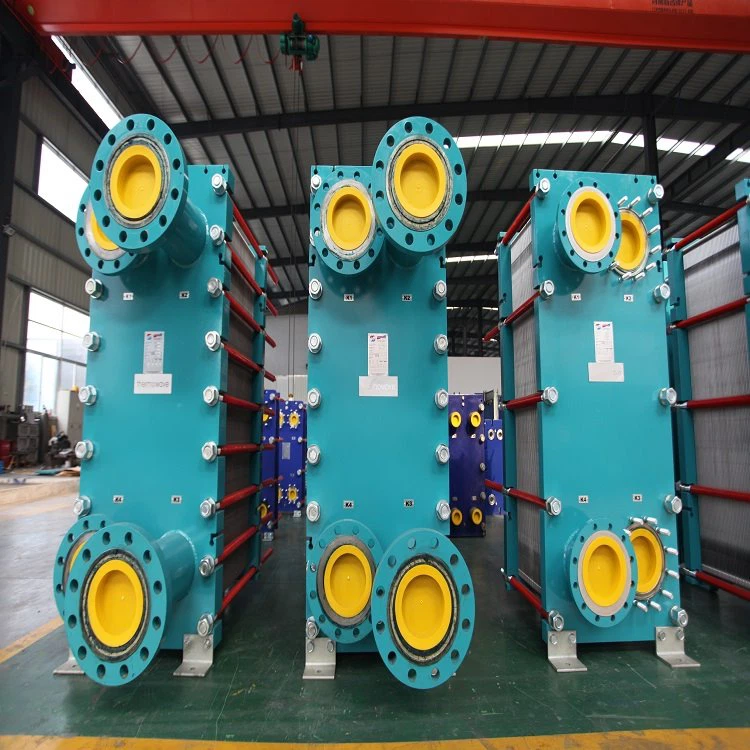
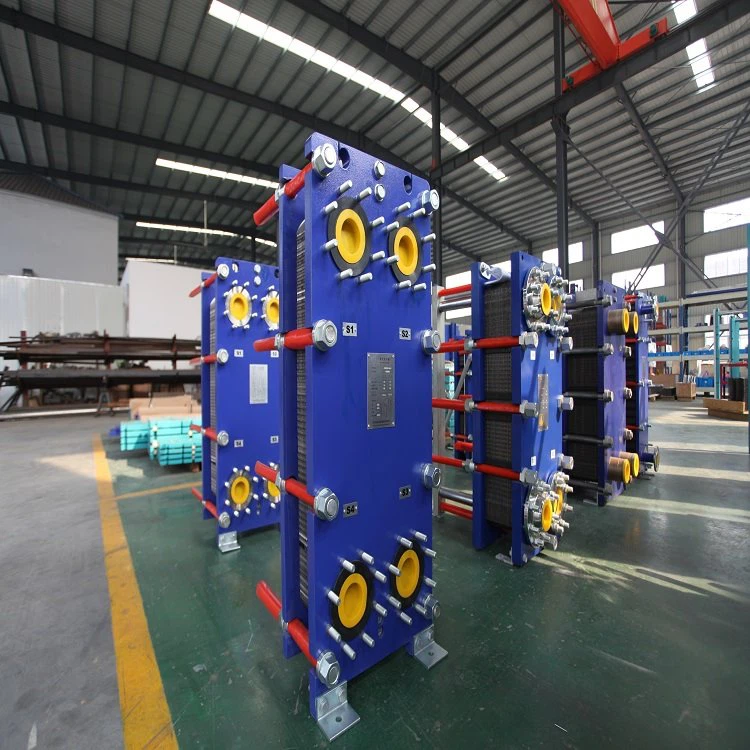
As a supplier of Plate-shell Type heat exchangers, I understand the significance of corrosion resistance in ensuring the longevity and efficiency of these crucial industrial components. Plate - shell type heat exchangers are widely used in various industries, including chemical, petrochemical, and power generation, where they are often exposed to harsh environments that can lead to corrosion. In this blog post, I will share some effective strategies to enhance the corrosion resistance of plate - shell type heat exchangers.
Understanding the Corrosion Mechanisms in Plate - Shell Type Heat Exchangers
Before delving into the methods of improving corrosion resistance, it is essential to understand the different corrosion mechanisms that can affect plate - shell type heat exchangers. The most common types of corrosion in these heat exchangers include:
Uniform Corrosion
Uniform corrosion occurs when the entire surface of the heat exchanger material is attacked at a relatively constant rate. This type of corrosion is usually caused by the reaction between the metal surface and the corrosive medium, such as acids, alkalis, or salts in the fluid flowing through the heat exchanger.
Pitting Corrosion
Pitting corrosion is a localized form of corrosion that results in the formation of small pits or holes on the metal surface. It is often initiated by the presence of impurities, scratches, or defects on the surface, which create areas of high electrochemical activity. Once a pit is formed, it can act as a site for further corrosion, leading to the penetration of the metal and potentially causing leakage.
Crevice Corrosion
Crevice corrosion occurs in narrow gaps or crevices between two metal surfaces or between a metal and a non - metal. In these areas, the flow of the corrosive medium is restricted, leading to the accumulation of corrosive substances and the formation of a concentration cell. This can cause accelerated corrosion within the crevice, even if the surrounding environment is relatively non - corrosive.
Stress Corrosion Cracking (SCC)
Stress corrosion cracking is a combination of mechanical stress and corrosion that can lead to the formation of cracks in the metal. SCC is particularly dangerous because it can occur at relatively low levels of stress and can propagate rapidly, leading to catastrophic failure of the heat exchanger.
Material Selection
One of the most fundamental ways to improve the corrosion resistance of plate - shell type heat exchangers is through proper material selection. Different materials have different levels of resistance to various corrosive environments, and choosing the right material can significantly extend the service life of the heat exchanger.
Stainless Steel
Stainless steel is a popular choice for plate - shell type heat exchangers due to its excellent corrosion resistance, high strength, and good formability. Austenitic stainless steels, such as 304 and 316, are commonly used in many applications because they have a high chromium content, which forms a passive oxide layer on the surface that protects the metal from further corrosion. However, in more aggressive environments, such as those containing high concentrations of chlorides, duplex stainless steels may be a better option. Duplex stainless steels have a dual - phase microstructure of ferrite and austenite, which provides improved resistance to pitting and stress corrosion cracking compared to austenitic stainless steels.
Titanium
Titanium is another material with excellent corrosion resistance, especially in environments containing strong acids, alkalis, and chlorides. It forms a stable oxide layer on its surface that is highly resistant to corrosion, even at high temperatures. Titanium is often used in applications where the corrosive medium is particularly aggressive, such as in the chemical and desalination industries. However, titanium is more expensive than stainless steel, so its use is usually limited to applications where the benefits outweigh the cost.
Nickel - Based Alloys
Nickel - based alloys, such as Inconel and Hastelloy, are known for their high resistance to corrosion in a wide range of environments, including high - temperature and high - pressure conditions. These alloys contain a high percentage of nickel, along with other elements such as chromium, molybdenum, and iron, which provide enhanced corrosion resistance. Nickel - based alloys are often used in applications where the heat exchanger is exposed to extreme conditions, such as in the oil and gas industry.
Surface Treatment
In addition to material selection, surface treatment can also play an important role in improving the corrosion resistance of plate - shell type heat exchangers.
Passivation
Passivation is a chemical treatment process that involves immersing the heat exchanger in a solution of nitric acid or other oxidizing agents to remove free iron and other contaminants from the surface and to promote the formation of a passive oxide layer. This layer acts as a barrier between the metal and the corrosive medium, reducing the rate of corrosion. Passivation is a common surface treatment for stainless steel heat exchangers and can significantly improve their corrosion resistance.
Coating
Coating the surface of the heat exchanger with a protective layer can also provide an additional barrier against corrosion. There are various types of coatings available, including organic coatings, such as epoxy and polyurethane, and inorganic coatings, such as ceramic and glass. Organic coatings are relatively easy to apply and can provide good protection against a wide range of corrosive environments. Inorganic coatings, on the other hand, are more resistant to high temperatures and abrasion and can provide long - term protection in harsh conditions.
Design Optimization
The design of the plate - shell type heat exchanger can also have a significant impact on its corrosion resistance.
Flow Design
Proper flow design is crucial to ensure uniform flow distribution and to prevent the formation of stagnant areas where corrosion can occur. The flow channels should be designed to minimize turbulence and to ensure that the fluid flows smoothly through the heat exchanger. This can help to reduce the accumulation of corrosive substances and to prevent the formation of concentration cells.
Avoiding Crevices
As mentioned earlier, crevices can be a major cause of corrosion in plate - shell type heat exchangers. Therefore, the design should avoid the formation of narrow gaps or crevices between components. This can be achieved by using proper sealing techniques and by ensuring that the components are properly aligned and assembled.
Stress Relief
To prevent stress corrosion cracking, it is important to minimize the residual stress in the heat exchanger during the manufacturing process. This can be achieved through proper heat treatment and stress - relief procedures, such as annealing. Additionally, the design should avoid sharp corners and edges, which can create areas of high stress concentration.
Maintenance and Monitoring
Regular maintenance and monitoring are essential to ensure the long - term corrosion resistance of plate - shell type heat exchangers.
Cleaning
Periodic cleaning of the heat exchanger can help to remove any accumulated deposits or contaminants on the surface, which can act as a source of corrosion. The cleaning method should be selected based on the type of deposit and the material of the heat exchanger. For example, chemical cleaning may be used to remove scale or fouling, while mechanical cleaning may be used to remove debris or rust.
Inspection
Regular inspection of the heat exchanger can help to detect any signs of corrosion at an early stage. Non - destructive testing methods, such as ultrasonic testing, radiography, and magnetic particle testing, can be used to detect internal defects or corrosion without damaging the heat exchanger. Visual inspection can also be used to check for external signs of corrosion, such as rust or pitting.
Monitoring the Corrosive Medium
Monitoring the properties of the corrosive medium, such as pH, temperature, and concentration of corrosive substances, can help to predict the rate of corrosion and to take appropriate preventive measures. For example, if the pH of the fluid is found to be outside the recommended range, adjustments can be made to the chemical composition of the fluid to reduce its corrosiveness.
Conclusion
Improving the corrosion resistance of plate - shell type heat exchangers is a multi - faceted approach that involves material selection, surface treatment, design optimization, and proper maintenance and monitoring. By implementing these strategies, we can significantly extend the service life of the heat exchangers, reduce the risk of failure, and improve the overall efficiency of the industrial processes in which they are used.
If you are interested in learning more about our Plate - shell Type heat exchangers or have any questions regarding corrosion resistance, please feel free to contact us for a detailed discussion and procurement negotiation. We are committed to providing high - quality heat exchangers that meet your specific requirements and offer excellent corrosion resistance.
References
- Fontana, M. G. (1986). Corrosion Engineering. McGraw - Hill.
- Uhlig, H. H., & Revie, R. W. (1985). Corrosion and Corrosion Control. Wiley - Interscience.
- ASM Handbook Committee. (2003). ASM Handbook, Volume 13A: Corrosion: Fundamentals, Testing, and Protection. ASM International.