

Hey there! As a supplier of Plate-shell Type heat exchangers, I've seen my fair share of installation and commissioning processes. And let me tell you, getting it right from the start can save you a whole lot of headaches down the road. In this blog, I'm gonna share some tips on how to ensure a smooth installation and commissioning of plate - shell type heat exchangers.
Pre - installation Preparation
Before you even think about installing the heat exchanger, there are a bunch of things you need to take care of. First off, make sure you've got the right location. The area should be well - ventilated, free from any potential sources of damage like heavy machinery vibrations or excessive heat. You also need to ensure that there's enough space around the heat exchanger for easy access during maintenance.
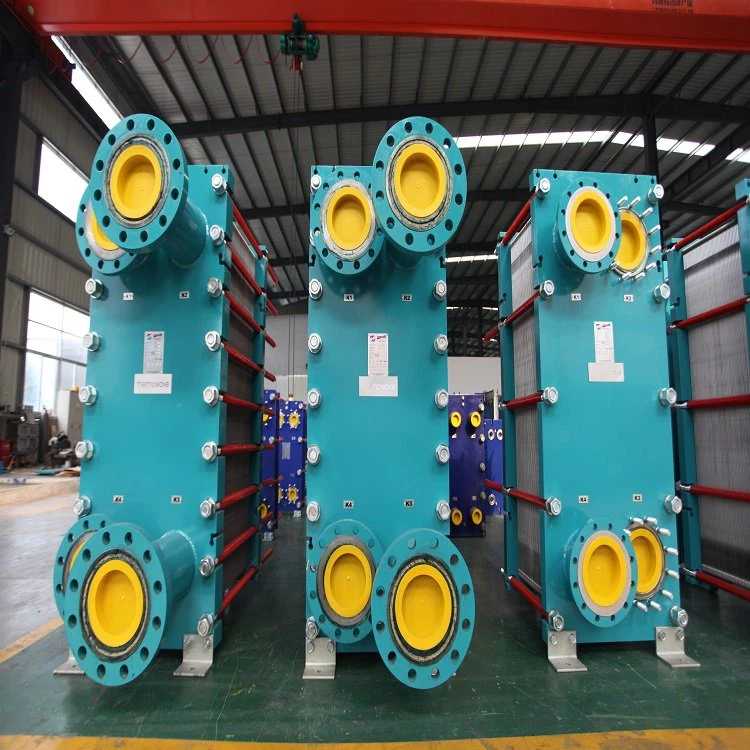
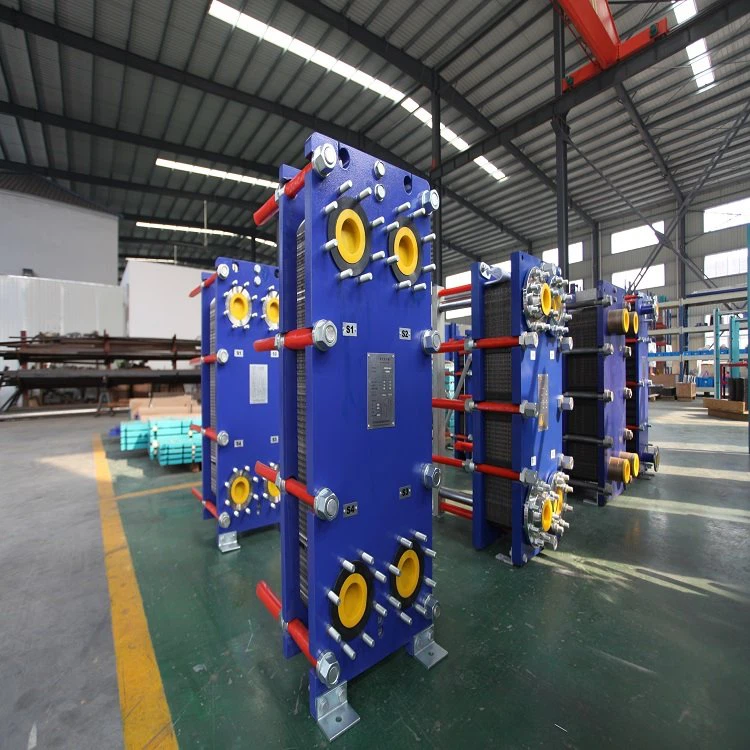
Next, check the foundation. The foundation should be level and strong enough to support the weight of the heat exchanger. If the foundation is uneven, it can cause stress on the heat exchanger and lead to leaks or other problems later on. You might need to use shims to level it out if necessary.
Inspect the heat exchanger itself thoroughly. Look for any signs of damage during transportation, such as dents, scratches, or loose connections. Check the specifications of the heat exchanger to make sure it matches your requirements. This includes things like the flow rate, temperature range, and pressure ratings.
Installation Process
Now, let's talk about the actual installation. Start by carefully positioning the heat exchanger on the foundation. Use lifting equipment that's appropriate for the size and weight of the heat exchanger. Make sure it's centered and aligned properly.
When connecting the pipes, be extra careful. Use the right type of gaskets and ensure that they're installed correctly. Tighten the bolts evenly to avoid any uneven pressure that could cause leaks. It's also a good idea to use a torque wrench to make sure you're applying the right amount of force.
During the installation, keep an eye on the alignment of the plates. Misaligned plates can reduce the efficiency of the heat exchanger and increase the pressure drop. Follow the manufacturer's instructions on how to align the plates properly.
If you're installing multiple heat exchangers in a system, make sure they're connected in the right configuration. This can affect the overall performance of the system. You might need to consult with an engineer or someone with experience in heat exchanger systems to get this right.
Commissioning
Once the installation is complete, it's time for commissioning. This is a crucial step to make sure the heat exchanger is working as it should. Start by flushing the system to remove any debris or contaminants that might have gotten in during the installation.
Fill the heat exchanger with the appropriate fluid. Make sure you're using the right type of fluid and that it's clean. Check the fluid levels and make sure they're within the recommended range.
Gradually increase the flow rate and pressure. Don't just turn everything on full blast right away. This can cause sudden stress on the heat exchanger and lead to problems. Monitor the temperature and pressure gauges closely during this process.
Check for any leaks. Look around the connections, gaskets, and the body of the heat exchanger. Even a small leak can cause a big problem over time. If you find a leak, shut down the system immediately and fix it before proceeding.
Measure the performance of the heat exchanger. Compare the actual flow rate, temperature difference, and pressure drop with the design specifications. If there are any significant differences, you might need to make some adjustments. This could involve changing the flow rate, adjusting the valves, or checking the alignment of the plates again.
Common Challenges and How to Overcome Them
One of the common challenges during installation and commissioning is dealing with corrosion. Depending on the type of fluid and the environment, the heat exchanger can be prone to corrosion. To prevent this, you can use corrosion - resistant materials for the plates and pipes. You can also add corrosion inhibitors to the fluid.
Another challenge is fouling. Over time, dirt, debris, and other contaminants can build up on the plates of the heat exchanger, reducing its efficiency. Regular cleaning is the key to preventing fouling. You can use chemical cleaning agents or mechanical cleaning methods, depending on the severity of the fouling.
Vibration can also be a problem. Excessive vibration can cause damage to the heat exchanger and its components. Make sure the heat exchanger is properly supported and that there are no loose parts. You might need to add vibration dampeners if necessary.
Why Choose Our Plate - Shell Type Heat Exchangers
Our Plate-shell Type heat exchangers are designed with high - quality materials and advanced manufacturing techniques. They offer excellent heat transfer efficiency, high pressure resistance, and long - term reliability.
Compared to Plate-Frame Type heat exchangers, our plate - shell type heat exchangers are more compact and can handle higher pressures. They're also less prone to leaks because of the welded construction.
We provide comprehensive technical support throughout the installation and commissioning process. Our team of experts can help you with any questions or problems you might encounter. We also offer after - sales service to ensure that your heat exchanger continues to perform at its best.
Conclusion
Ensuring a smooth installation and commissioning of plate - shell type heat exchangers requires careful planning, proper installation techniques, and thorough commissioning procedures. By following the tips I've shared in this blog, you can avoid many common problems and get the most out of your heat exchanger.
If you're in the market for a plate - shell type heat exchanger, we'd love to talk to you. Our heat exchangers are designed to meet your specific needs and provide reliable performance. Whether you're a small business or a large industrial facility, we've got the right solution for you. Don't hesitate to reach out to us for more information and to start a purchase negotiation.
References
- Heat Exchanger Design Handbook, various authors
- Manufacturer's installation and operation manuals for plate - shell type heat exchangers