

Hey there! As a supplier of Plate-shell Type heat exchangers, I've seen firsthand how thermal stress can be a real pain in the neck for these pieces of equipment. But don't worry, I'm here to share some tips on how to deal with it.
First off, let's understand what thermal stress is. When a plate - shell type heat exchanger is in operation, different parts of it are exposed to different temperatures. This temperature difference causes the materials to expand or contract at different rates. And when this expansion or contraction is restricted, it leads to thermal stress. If not managed properly, this stress can cause cracks, leaks, and ultimately, failure of the heat exchanger.
One of the most effective ways to deal with thermal stress is through proper design. When designing a plate - shell type heat exchanger, we need to consider the materials' thermal expansion coefficients. Different materials expand and contract at different rates when heated or cooled. So, choosing the right combination of materials can significantly reduce thermal stress. For example, using materials with similar thermal expansion coefficients for the plates and the shell can help ensure that they expand and contract in a more synchronized manner.
Another important design aspect is the layout of the flow channels. We can design the flow paths in such a way that the temperature distribution is more uniform across the heat exchanger. For instance, by using a counter - current flow arrangement instead of a parallel - flow arrangement, we can minimize the temperature difference between the hot and cold fluids at any given point in the heat exchanger. This helps in reducing the overall thermal stress.
Fabrication techniques also play a crucial role. During the welding process, which is a key step in manufacturing plate - shell type heat exchangers, we need to be very careful. Welding can introduce residual stresses in the materials. To minimize these residual stresses, we can use techniques like pre - heating the materials before welding and post - weld heat treatment. Pre - heating helps in reducing the temperature gradient during welding, while post - weld heat treatment can relieve the residual stresses that are locked in the welded joints.
Now, let's talk about operation and maintenance. Regular monitoring of the heat exchanger's operating conditions is essential. We need to keep an eye on parameters like inlet and outlet temperatures, pressures, and flow rates. Any sudden changes in these parameters could indicate a problem related to thermal stress. For example, if the outlet temperature of the hot fluid starts to drop unexpectedly, it could be a sign of a blockage or a problem with the heat transfer surface due to thermal stress - induced damage.
In terms of maintenance, we should perform regular inspections. Non - destructive testing methods like ultrasonic testing and radiographic testing can be used to detect any cracks or defects that may have developed due to thermal stress. If any issues are found, they should be addressed promptly. This could involve repairing the damaged areas or replacing the affected components.
Comparing Plate - shell Type with Plate - Frame Type heat exchangers, plate - shell type heat exchangers generally have better resistance to thermal stress in high - pressure and high - temperature applications. The fully welded structure of plate - shell type heat exchangers provides more structural integrity compared to the gasketed plate - frame type. However, this doesn't mean that plate - shell type heat exchangers are immune to thermal stress. We still need to take all the necessary precautions.
It's also important to consider the installation environment. If the heat exchanger is installed in an area with large temperature fluctuations, additional insulation can be used. Insulation helps in reducing the heat transfer between the heat exchanger and the surrounding environment, which in turn can reduce the thermal stress on the equipment.
Training the operators is another aspect that can't be overlooked. Operators should be well - trained on how to operate the heat exchanger correctly and how to recognize the signs of thermal stress. They should know what actions to take in case of any abnormal conditions. This can prevent small problems from turning into major disasters.
In addition to these technical measures, we can also use software simulations. There are various software tools available that can simulate the thermal behavior of the heat exchanger. By running these simulations during the design phase, we can predict the thermal stress distribution and make necessary adjustments to the design. This can save a lot of time and money in the long run by avoiding costly modifications after the heat exchanger is manufactured.
To sum it up, dealing with thermal stress in plate - shell type heat exchangers requires a comprehensive approach. It involves proper design, careful fabrication, regular operation and maintenance, and considering the installation environment. By taking all these steps, we can ensure the long - term reliability and performance of the heat exchanger.
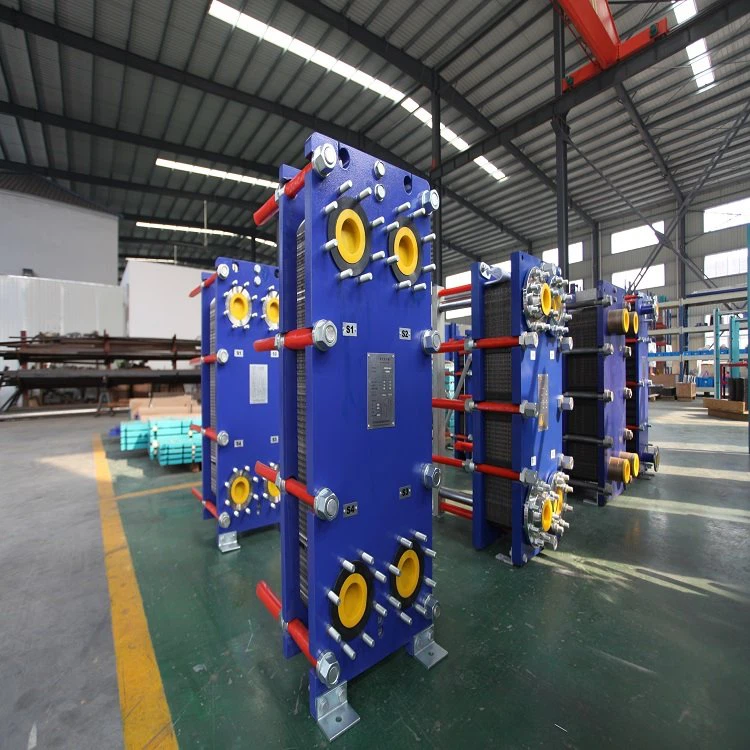
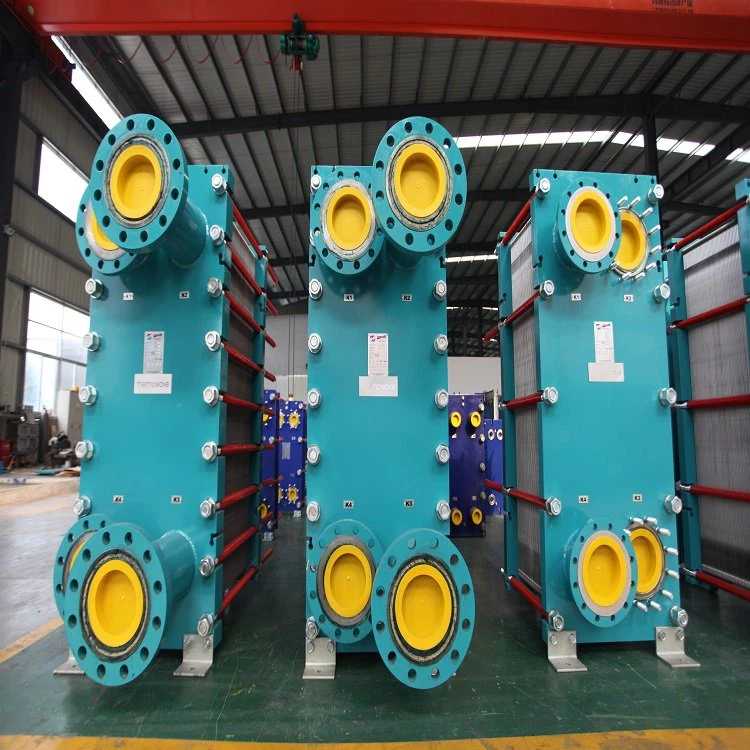
If you're in the market for a high - quality Plate - shell Type heat exchanger or need more advice on dealing with thermal stress, don't hesitate to reach out. We're here to help you make the best choice for your specific needs. Let's have a chat about your requirements and see how we can work together to solve your heat transfer challenges.
References
- Incropera, F. P., DeWitt, D. P., Bergman, T. L., & Lavine, A. S. (2007). Fundamentals of Heat and Mass Transfer. Wiley.
- Shah, R. K., & Sekulic, D. P. (2003). Fundamentals of Heat Exchanger Design. Wiley.