

Hey there! As a supplier of Plate-shell Type heat exchangers, I know firsthand how crucial it is to conduct proper inspections and tests on these devices. In this blog post, I'll share some practical tips on how to carry out these checks effectively.
Why Inspections and Tests Matter
Before we dive into the how - to, let's quickly talk about why inspections and tests are so important. Plate - shell type heat exchangers are used in a wide range of industries, from chemical processing to power generation. They work under various conditions, including high pressures and temperatures. A faulty heat exchanger can lead to inefficiencies, increased energy consumption, and even safety hazards. Regular inspections and tests can help identify potential issues early, ensuring the heat exchanger operates smoothly and safely.
Visual Inspections
The first step in inspecting a plate - shell type heat exchanger is a visual check. This is a simple but effective way to spot obvious problems.
External Inspection
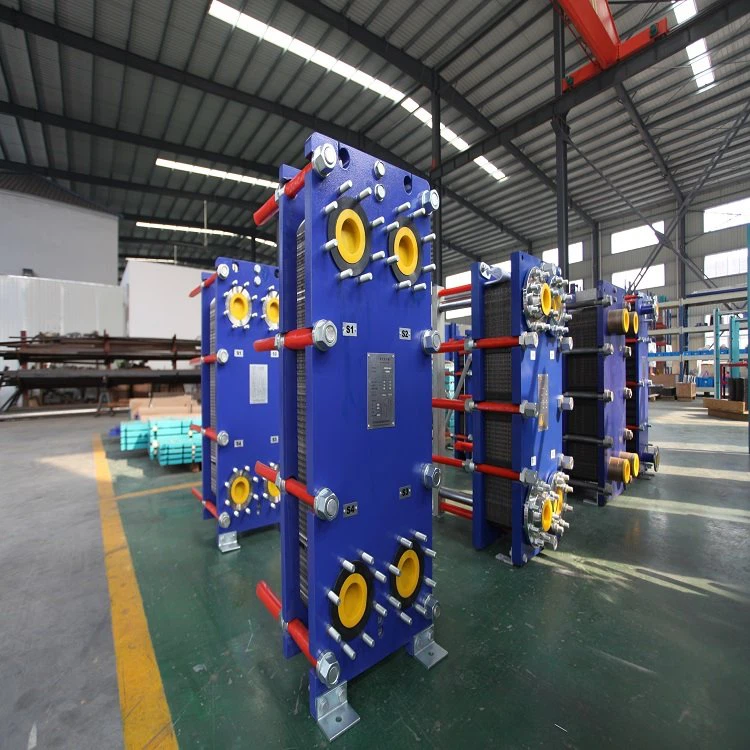
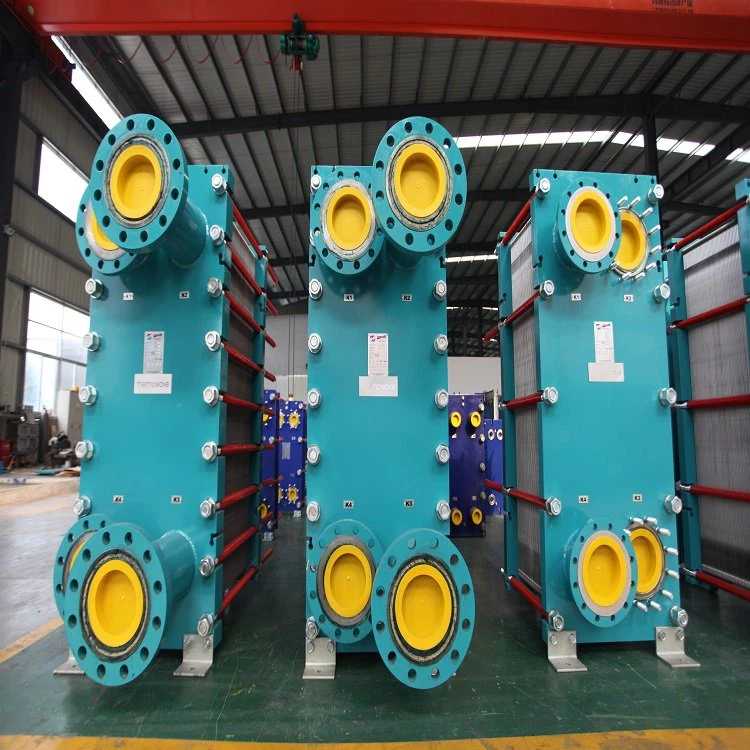
Start by looking at the outside of the heat exchanger. Check for any signs of physical damage, such as dents, scratches, or corrosion. These can weaken the structure of the heat exchanger and may lead to leaks over time. Pay special attention to the welds. Cracks in the welds can be a serious issue as they can compromise the integrity of the unit.
Also, examine the insulation. If the insulation is damaged or missing in some areas, it can cause heat loss, reducing the efficiency of the heat exchanger.
Internal Inspection
If possible, conduct an internal inspection. This might require opening the heat exchanger, which should be done following proper safety procedures. Look for any signs of fouling inside the plates or the shell. Fouling can occur due to the accumulation of dirt, scale, or other contaminants. It can block the flow of fluids and reduce the heat transfer efficiency.
Check the plates for any signs of deformation. Warped or bent plates can affect the flow distribution and heat transfer performance.
Pressure Tests
Pressure tests are essential to ensure the heat exchanger can withstand the operating pressures without leaking.
Hydrostatic Test
A hydrostatic test is a common method. In this test, the heat exchanger is filled with water and pressurized to a specified level. The pressure is usually higher than the normal operating pressure to ensure the unit can handle unexpected pressure spikes.
During the test, carefully monitor the pressure gauge. If the pressure drops over time, it could indicate a leak. Inspect all the connections, welds, and joints for any signs of water leakage. After the test, drain the water completely to prevent corrosion.
Pneumatic Test
A pneumatic test uses air or another gas instead of water. It's often used when water can't be used, for example, in applications where moisture can cause problems. However, pneumatic tests are more dangerous than hydrostatic tests because of the potential for sudden and violent release of energy if there's a failure. So, strict safety precautions must be taken.
Heat Transfer Performance Tests
To ensure the heat exchanger is working efficiently, you need to test its heat transfer performance.
Temperature Measurement
Measure the inlet and outlet temperatures of both the hot and cold fluids. Calculate the temperature differences and compare them with the design values. A significant deviation from the design values could indicate a problem, such as fouling or a flow issue.
You can use thermocouples or other temperature sensors for accurate measurements. Make sure the sensors are properly installed and calibrated.
Flow Rate Measurement
Measure the flow rates of the fluids. Incorrect flow rates can affect the heat transfer performance. You can use flow meters, such as electromagnetic flow meters or ultrasonic flow meters, depending on the type of fluid and the operating conditions.
Material Analysis
In some cases, it may be necessary to conduct a material analysis. This can help identify any issues with the materials used in the heat exchanger, such as improper material selection or material degradation.
Chemical Analysis
A chemical analysis can determine the composition of the materials. This is important because different applications may require specific material properties. For example, in a corrosive environment, the heat exchanger needs to be made of corrosion - resistant materials.
Microstructural Analysis
Microstructural analysis can reveal the internal structure of the materials. Changes in the microstructure can indicate issues such as fatigue, creep, or corrosion.
Comparison with Plate - Frame Type
It's worth comparing Plate - shell Type heat exchangers with Plate - Frame Type heat exchangers. Plate - shell Type heat exchangers generally offer better pressure and temperature resistance compared to Plate - Frame Type. However, Plate - Frame Type heat exchangers are easier to disassemble and clean, which can be an advantage in applications where fouling is a common problem.
When conducting inspections and tests, the procedures for Plate - Frame Type heat exchangers are somewhat similar, but there are also some differences. For example, in a Plate - Frame Type heat exchanger, it's easier to replace individual plates if they are damaged, while in a Plate - shell Type heat exchanger, the repair process may be more complex.
Maintenance and Follow - up
After completing the inspections and tests, it's important to take appropriate action based on the results. If any issues are found, repair or replace the damaged components as soon as possible.
Keep a detailed record of all the inspections and tests. This can help you track the performance of the heat exchanger over time and plan for future maintenance.
Conclusion
Conducting inspections and tests on Plate - shell Type heat exchangers is a comprehensive process that involves visual inspections, pressure tests, heat transfer performance tests, and sometimes material analysis. By following these procedures regularly, you can ensure the reliability and efficiency of your heat exchanger.
If you're in the market for high - quality Plate - shell Type heat exchangers or need more information about inspections and tests, don't hesitate to reach out. We're here to help you with all your heat exchanger needs. Whether you're looking to purchase a new unit or need advice on maintaining your existing one, we've got the expertise to assist you. Contact us today to start a discussion about your specific requirements.
References
- "Heat Exchanger Design Handbook"
- Industry standards for heat exchanger testing and inspection