

Adjusting the pressure in a Plate - Frame Type system is a crucial aspect of ensuring its efficient and safe operation. As a well - established Plate - Frame Type supplier, I've witnessed firsthand the significance of proper pressure management in these systems. In this blog, I'll share some in - depth knowledge on how to adjust the pressure in a Plate - Frame Type system.
Understanding the Plate - Frame Type System
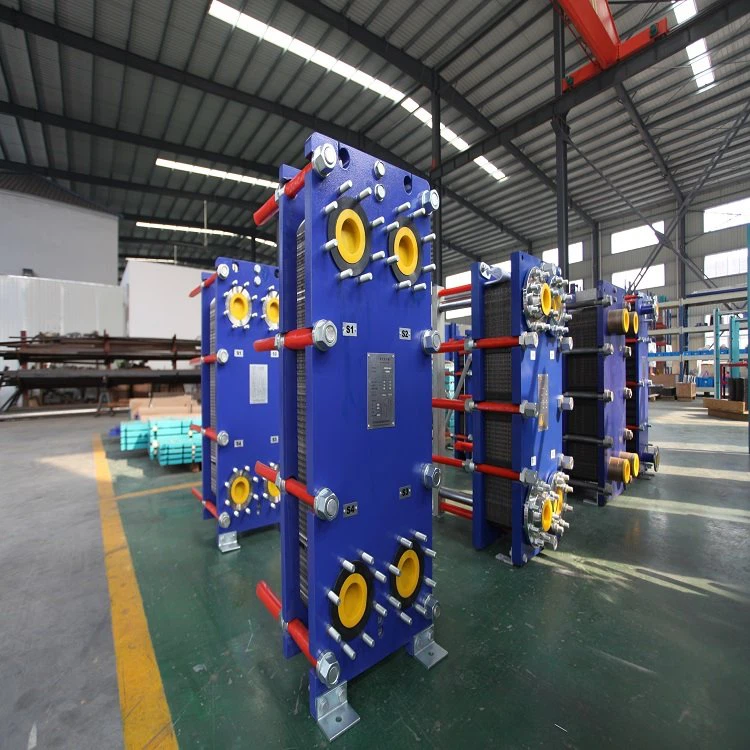
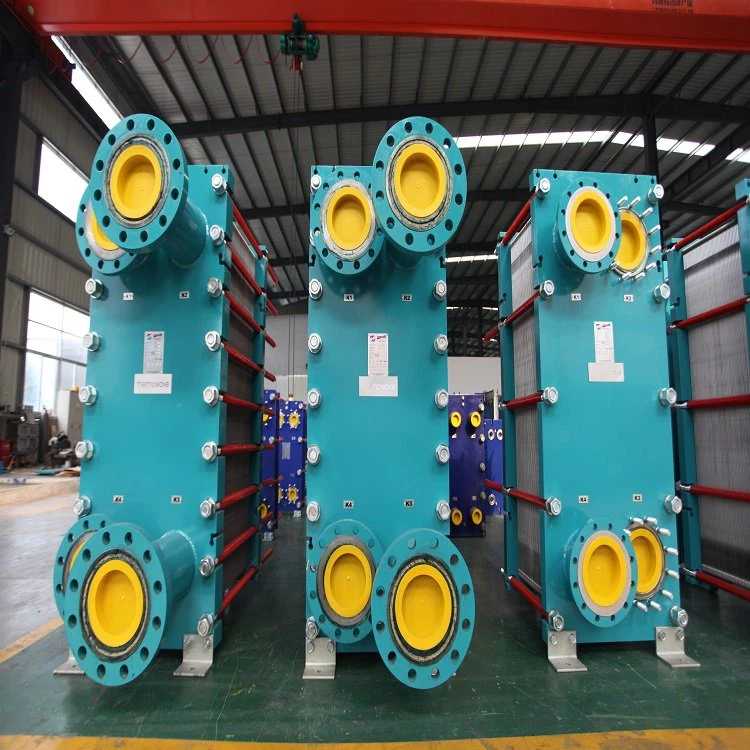
Before delving into pressure adjustment, it's essential to understand what a Plate - Frame Type system is. A Plate - Frame Type system typically consists of a series of plates held together in a frame. These plates are designed to provide a large surface area for heat transfer or separation processes. The system is commonly used in industries such as chemical processing, food and beverage, and HVAC for its high efficiency and flexibility.
The pressure within the system plays a vital role in determining its performance. If the pressure is too low, the system may not function effectively, leading to reduced heat transfer or inefficient separation. On the other hand, excessive pressure can cause damage to the plates, gaskets, or other components of the system, resulting in leaks and potential safety hazards.
Factors Affecting Pressure in a Plate - Frame Type System
Several factors can influence the pressure in a Plate - Frame Type system. One of the primary factors is the flow rate of the fluids passing through the system. An increase in flow rate generally leads to an increase in pressure. This is because as more fluid is forced through the narrow channels between the plates, the resistance to flow increases, causing the pressure to rise.
The viscosity of the fluids also has a significant impact on pressure. Highly viscous fluids require more energy to flow through the system, which results in higher pressure. Additionally, the temperature of the fluids can affect their viscosity, and thus, the pressure within the system. As the temperature increases, the viscosity of most fluids decreases, leading to a reduction in pressure.
The design and condition of the plates and gaskets are other important factors. Worn - out gaskets or damaged plates can cause leaks, which disrupt the normal pressure distribution within the system. Blockages in the channels between the plates can also increase pressure by restricting the flow of fluids.
Steps to Adjust the Pressure in a Plate - Frame Type System
1. Monitor the Pressure
The first step in adjusting the pressure is to accurately monitor it. Install pressure gauges at strategic points in the system, such as at the inlet and outlet of the Plate - Frame Type unit. Regularly check the pressure readings to identify any abnormal fluctuations. This will help you determine if the pressure needs to be adjusted and provide a baseline for evaluating the effectiveness of any adjustments made.
2. Check the Flow Rate
If the pressure is too high, the first thing to check is the flow rate. You can use flow meters to measure the flow rate of the fluids. If the flow rate is higher than the recommended level for the system, you can adjust it by using flow control valves. These valves can be manually or automatically adjusted to regulate the amount of fluid entering the system. Reducing the flow rate will generally result in a decrease in pressure.
Conversely, if the pressure is too low, you may need to increase the flow rate. However, be cautious not to exceed the maximum flow rate capacity of the system, as this can cause damage to the components.
3. Evaluate the Fluid Viscosity
If the pressure issues persist after adjusting the flow rate, consider the viscosity of the fluids. If the fluid is too viscous, you can try increasing the temperature of the fluid. This can be done using a pre - heater or other heating devices. By reducing the viscosity, the fluid will flow more easily through the system, resulting in a decrease in pressure.
However, be aware that changing the temperature may also have other implications for the process, such as affecting the chemical reactions or product quality. So, make sure to consult the process specifications and guidelines before making any significant temperature adjustments.
4. Inspect the Plates and Gaskets
A thorough inspection of the plates and gaskets is essential. Look for signs of wear, damage, or leakage. If you find any worn - out gaskets, replace them immediately. Damaged plates may need to be repaired or replaced, depending on the extent of the damage. Ensure that the plates are properly aligned and tightened within the frame to prevent leaks and maintain a consistent pressure distribution.
5. Clear Any Blockages
Blockages in the channels between the plates can cause a significant increase in pressure. Use appropriate cleaning methods to remove any debris or deposits that may be blocking the flow. This can include back - flushing the system, using chemical cleaners, or mechanical cleaning techniques. Regular maintenance and cleaning schedules can help prevent blockages from occurring in the first place.
Comparison with Plate - Shell Type Systems
It's worth briefly comparing the pressure adjustment process in Plate - Frame Type systems with Plate - Shell Type systems. Plate - Shell Type systems have a different design, where the plates are enclosed within a shell. While the basic principles of pressure adjustment, such as monitoring flow rate and fluid properties, remain the same, the physical structure of the Plate - Shell Type system may require different inspection and maintenance procedures.
In Plate - Shell Type systems, access to the internal components may be more limited compared to Plate - Frame Type systems. This can make it more challenging to detect and repair leaks or blockages. Additionally, the pressure distribution within a Plate - Shell Type system may be more complex due to the interaction between the plates and the shell.
Importance of Professional Guidance
Adjusting the pressure in a Plate - Frame Type system requires a good understanding of the system's design, operation, and the specific process it is used for. If you're unsure about any aspect of pressure adjustment, it's advisable to seek professional guidance. A qualified engineer or technician with experience in Plate - Frame Type systems can provide valuable insights and ensure that the pressure adjustments are made safely and effectively.
Conclusion
Properly adjusting the pressure in a Plate - Frame Type system is essential for its optimal performance, reliability, and safety. By understanding the factors affecting pressure, following the steps outlined above, and comparing with other system types like Plate - Shell Type, you can effectively manage the pressure within your system.
As a Plate - Frame Type supplier, we are committed to providing high - quality products and comprehensive support to our customers. If you have any questions about pressure adjustment or are interested in purchasing our Plate - Frame Type systems, we encourage you to reach out to us for further discussion and procurement negotiations.
References
- "Heat Exchanger Design Handbook", by W. M. Kays and A. L. London.
- "Chemical Engineering Fluid Mechanics", by Ron Darby.
- Industry standards and guidelines related to Plate - Frame Type heat exchangers.