

The design of a plate heat exchanger plays a crucial role in determining the appropriate gasket selection. As a Plate Heat Exchanger Gasket supplier, I've witnessed firsthand how the intricate details of heat exchanger design can significantly impact gasket performance. In this blog, I'll explore the various aspects of plate heat exchanger design and how they influence the choice of gaskets.
Plate Geometry
The geometry of the heat exchanger plates is one of the primary factors affecting gasket selection. Different plate designs, such as chevron patterns, corrugations, and flow channels, can create unique stress and sealing requirements for the gaskets.
Chevron-patterned plates are widely used in plate heat exchangers due to their excellent heat transfer efficiency. However, the angled chevron patterns can subject the gaskets to uneven pressure distribution. This means that gaskets need to be able to withstand these varying pressures without losing their sealing integrity. For instance, a high-quality Heat Exchanger Gasket made from a material with good elasticity and compression set resistance is essential to ensure a reliable seal in chevron-plate heat exchangers.
Corrugated plates, on the other hand, increase the surface area for heat transfer but also introduce more complex flow paths. The gaskets must be able to adapt to the irregularities created by the corrugations and maintain a tight seal. A Plate Heat Exchanger Gasket with a flexible design and high conformability can effectively seal these types of plates, preventing fluid leakage.
Flow Configuration
The flow configuration within the plate heat exchanger, such as parallel flow, counterflow, or crossflow, also has a significant impact on gasket selection. Each flow configuration creates different fluid dynamics and pressure differentials, which the gaskets must be able to withstand.
In a counterflow configuration, where the hot and cold fluids flow in opposite directions, the temperature and pressure gradients are more pronounced. This requires gaskets that can resist high temperatures and pressure differentials without deforming or failing. A Heat Exchanger Gasket made from a heat-resistant and pressure-tolerant material, such as EPDM or Viton, is often a suitable choice for counterflow heat exchangers.
Parallel flow configurations, where the hot and cold fluids flow in the same direction, generally have lower pressure differentials. However, the gaskets still need to provide a reliable seal to prevent fluid mixing. Gaskets with good chemical resistance are also important, as the fluids in the heat exchanger may contain various chemicals that could degrade the gasket material over time.
Operating Conditions
The operating conditions of the plate heat exchanger, including temperature, pressure, and the nature of the fluids being processed, are critical factors in gasket selection. Different gasket materials have different temperature and pressure ratings, as well as varying levels of chemical resistance.
High-temperature applications require gaskets made from materials that can withstand elevated temperatures without losing their mechanical properties. For example, PTFE gaskets are known for their excellent heat resistance and can be used in applications where temperatures reach up to several hundred degrees Celsius. In contrast, for low-temperature applications, gaskets made from materials like neoprene or nitrile rubber may be more suitable, as they remain flexible and maintain their sealing performance at lower temperatures.
The pressure within the heat exchanger also determines the type of gasket required. High-pressure applications demand gaskets with high burst strength and compression resistance. Metal-reinforced gaskets or gaskets made from high-strength elastomers are often used in these situations to ensure a reliable seal under high pressure.

The nature of the fluids being processed is another important consideration. Some fluids, such as acids, alkalis, or aggressive chemicals, can cause chemical reactions with certain gasket materials, leading to degradation and failure. In such cases, gaskets made from chemically resistant materials, such as fluorocarbon elastomers or PTFE, are necessary to ensure long-term performance and reliability.
Plate Material
The material of the heat exchanger plates can also influence gasket selection. Different plate materials have different surface finishes, coefficients of thermal expansion, and chemical compatibilities, which can affect the sealing performance of the gaskets.
Stainless steel is a commonly used material for heat exchanger plates due to its corrosion resistance and durability. However, the smooth surface finish of stainless steel plates may require gaskets with good adhesion properties to ensure a tight seal. Gaskets with a special adhesive backing or a surface treatment that enhances adhesion can be used to improve the sealing performance on stainless steel plates.
Titanium plates, on the other hand, are often used in applications where high corrosion resistance is required. Titanium has a different coefficient of thermal expansion compared to other materials, which means that gaskets need to be able to accommodate these thermal changes without losing their seal. Gaskets made from materials with a similar coefficient of thermal expansion or those with a flexible design can help to prevent leakage due to thermal expansion and contraction.
Maintenance and Installation Requirements
The design of the plate heat exchanger can also affect the maintenance and installation requirements of the gaskets. Some heat exchanger designs may require more frequent gasket replacement or more complex installation procedures, which should be taken into account when selecting gaskets.
For example, in a heat exchanger with a compact design, access to the gaskets for inspection and replacement may be limited. In such cases, gaskets that are easy to install and remove, such as clip-on or snap-in gaskets, can simplify the maintenance process. Additionally, gaskets with a long service life can reduce the frequency of replacement, minimizing downtime and maintenance costs.
Conclusion
In conclusion, the design of a plate heat exchanger has a profound impact on gasket selection. From plate geometry and flow configuration to operating conditions, plate material, and maintenance requirements, every aspect of the heat exchanger design must be carefully considered when choosing the right gasket. As a Plate Heat Exchanger Gasket supplier, I understand the importance of providing high-quality gaskets that are specifically tailored to the unique requirements of each heat exchanger design.
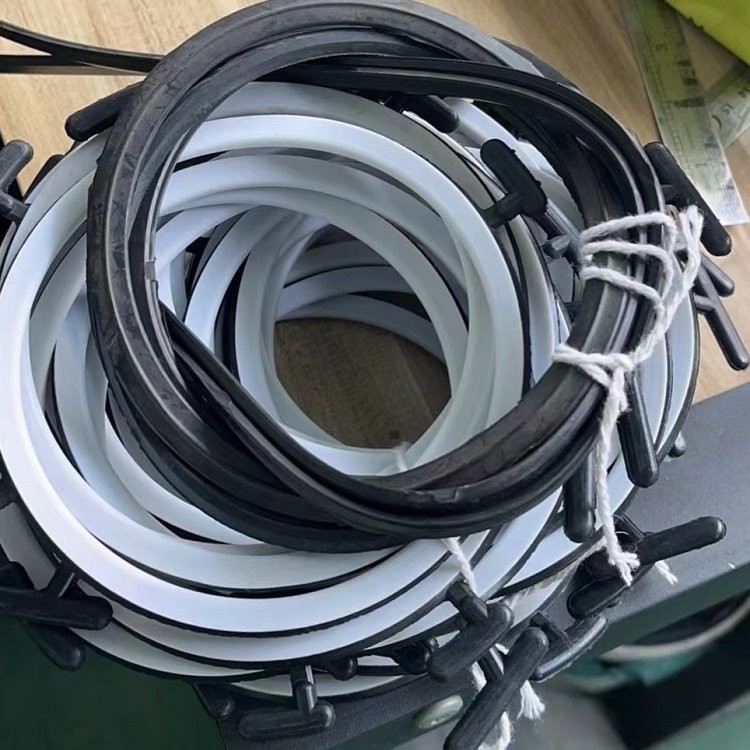
If you're in the market for Heat Exchanger Gaskets or need assistance with gasket selection for your plate heat exchanger, please don't hesitate to contact us. We're here to help you find the perfect gasket solution for your application.
References
- Mueller, A. C., & Niggemann, A. (2016). Heat exchanger design handbook. Springer.
- Stoecker, W. F., & Jones, J. W. (1982). Refrigeration and air conditioning. McGraw-Hill.
- Incropera, F. P., & DeWitt, D. P. (2002). Fundamentals of heat and mass transfer. Wiley.