

Hey there! As a supplier of Plate-shell Type heat exchangers, I often get asked if these bad boys require special installation conditions. Well, let's dive right into it and break it down for you.
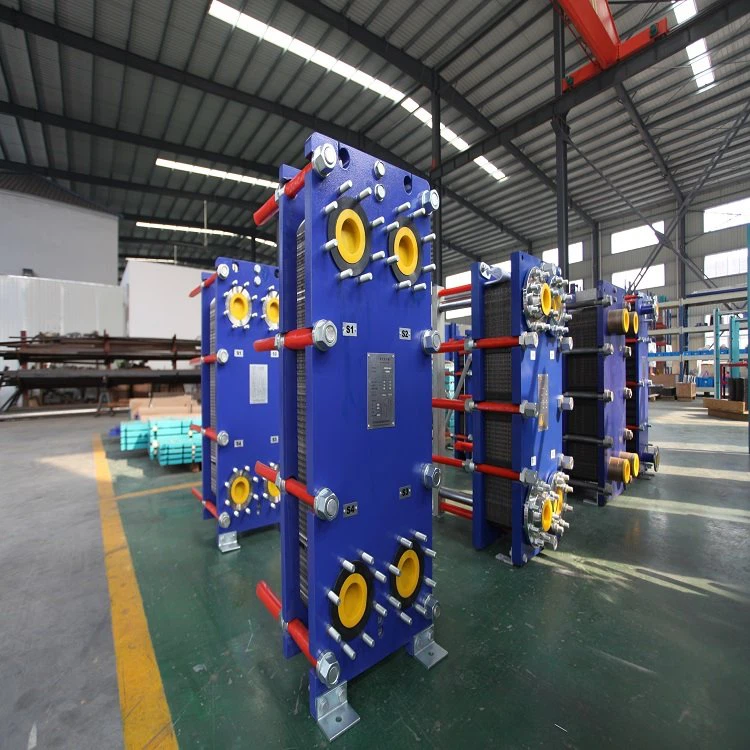
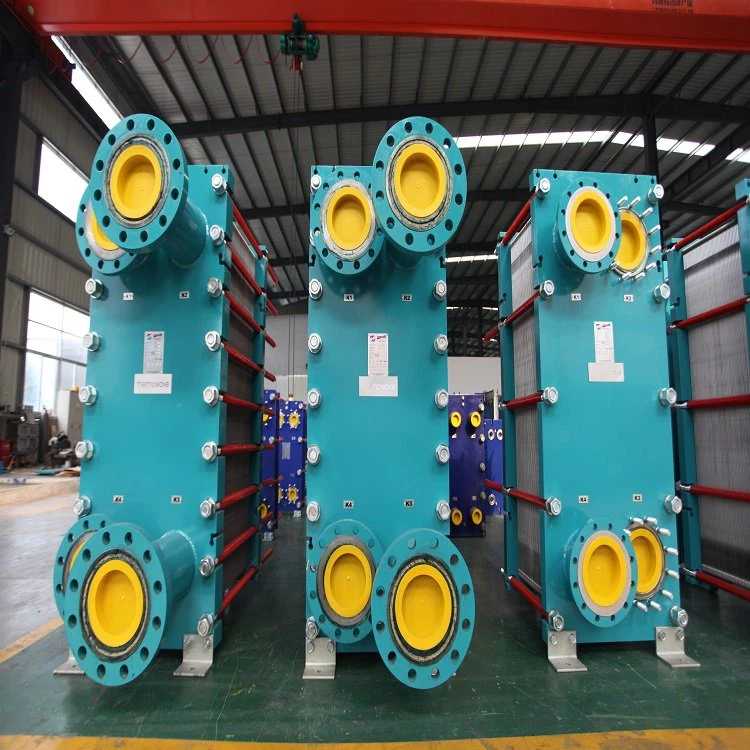
First off, let's talk a bit about what Plate-shell Type heat exchangers are. They're a type of fully welded plate heat exchanger, and they offer some really cool advantages. Compared to other types like the Plate-Frame Type, Plate-shell Type heat exchangers are more compact, have a higher heat transfer efficiency, and can handle higher pressures and temperatures. They're made up of a series of welded plates that form channels for the hot and cold fluids to flow through, and then the whole thing is encased in a shell.
Now, onto the big question: do they need special installation conditions? The short answer is yes, but it's not as scary as it might sound.
Space and Location
One of the first things to consider is the space where you're going to install the heat exchanger. Plate-shell Type heat exchangers are pretty compact, but they still need enough room around them for maintenance and inspection. You'll need to leave some clearance on all sides so that technicians can access the unit easily. For example, you should aim for at least a couple of feet of space between the heat exchanger and any walls or other equipment.
The location also matters. It should be a dry and well-ventilated area. Moisture can cause corrosion over time, which can seriously damage the heat exchanger. And good ventilation helps to prevent the build-up of heat, which can affect the performance of the unit. If you're installing it outdoors, make sure it's protected from the elements, like rain and direct sunlight. You might need to build a shelter or use a protective cover.
Foundation and Support
Another important aspect is the foundation and support for the heat exchanger. These units can be quite heavy, especially when they're filled with fluid. So, they need a solid and level foundation to rest on. You can use a concrete pad or a steel frame, depending on your specific situation. The foundation should be able to support the weight of the heat exchanger and any additional loads, like the weight of the pipes and the fluid inside them.
When it comes to support, you'll need to make sure that the heat exchanger is properly secured. This helps to prevent vibration and movement, which can cause damage to the unit and the pipes connected to it. You can use brackets or straps to secure the heat exchanger to the foundation or the support structure.
Piping and Connections
The piping and connections for the Plate-shell Type heat exchanger are also crucial. The pipes should be the right size and material to handle the flow rate and pressure of the fluids. You'll need to use high-quality pipes that are resistant to corrosion and can withstand the temperatures and pressures involved.
The connections between the heat exchanger and the pipes need to be tight and leak-proof. Any leaks can lead to a loss of efficiency and can even be a safety hazard. You might need to use gaskets or welding to ensure a proper seal. It's also important to make sure that the pipes are properly aligned with the inlets and outlets of the heat exchanger. Misaligned pipes can cause uneven flow and can reduce the performance of the unit.
Electrical and Control Systems
If your Plate-shell Type heat exchanger has any electrical components, like sensors or motors, you'll need to pay special attention to the electrical and control systems. The electrical connections should be made by a qualified electrician to ensure safety. The control system should be properly calibrated to regulate the flow of fluids and the temperature of the heat exchanger.
You'll also need to provide a reliable power source for the electrical components. This might involve installing a dedicated circuit or using a backup power supply in case of a power outage.
Commissioning and Testing
Once the heat exchanger is installed, it's time for commissioning and testing. This is a crucial step to make sure that the unit is working properly. You'll need to fill the heat exchanger with fluid and check for any leaks. You'll also need to test the flow rate and temperature of the fluids to make sure they're within the specified range.
During the commissioning process, you might need to make some adjustments to the control system or the piping connections. It's important to follow the manufacturer's instructions carefully to ensure a successful commissioning.
Why Choose Plate-shell Type Heat Exchangers?
Now that we've talked about the installation conditions, let's quickly go over why Plate-shell Type heat exchangers are a great choice. As I mentioned earlier, they're more compact than other types of heat exchangers, which means they take up less space in your facility. They also have a higher heat transfer efficiency, which can save you energy and money in the long run.
These heat exchangers can handle a wide range of fluids, including corrosive and high-viscosity fluids. They're also more durable and can last longer than some other types of heat exchangers. And because they're fully welded, they're less likely to leak, which improves safety and reliability.
Conclusion
So, in conclusion, Plate-shell Type heat exchangers do require some special installation conditions, but with proper planning and preparation, it's definitely doable. By following the guidelines I've outlined above, you can ensure that your heat exchanger is installed correctly and will perform at its best for years to come.
If you're in the market for a Plate-shell Type heat exchanger or have any questions about installation or maintenance, don't hesitate to reach out. We're here to help you make the right choice and get the most out of your heat exchanger. Whether you're a small business or a large industrial facility, we've got the expertise and the products to meet your needs. Contact us today to start the conversation about your heat exchanger requirements.
References
- Heat Exchanger Handbook, Various Authors
- ASME Boiler and Pressure Vessel Code, American Society of Mechanical Engineers