

Hey there! As a supplier of Plate-Frame Type equipment, I often get asked whether this type of equipment can be used for small-scale production. Well, let's dive right into it and explore the ins and outs of using Plate-Frame Type equipment in small-scale setups.
Understanding Plate-Frame Type Equipment
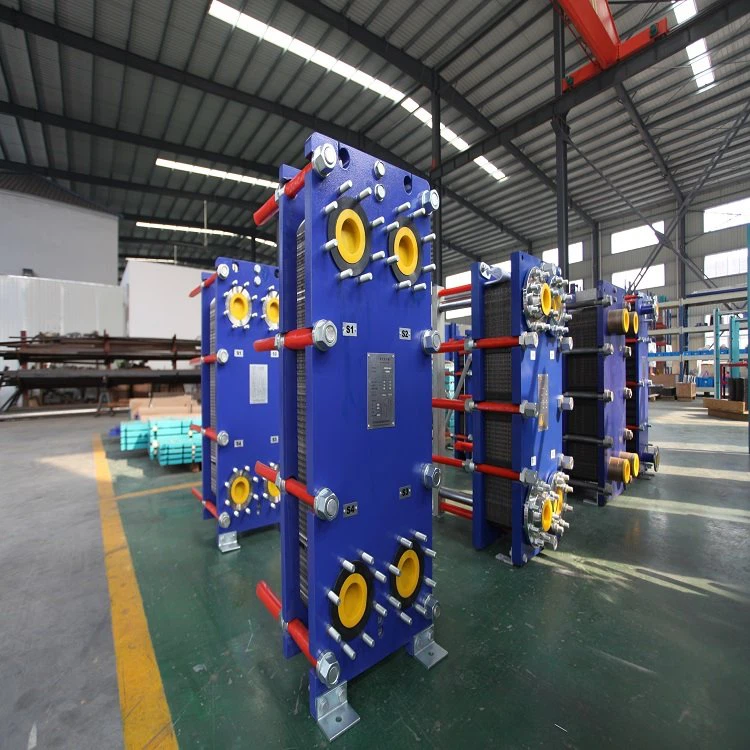
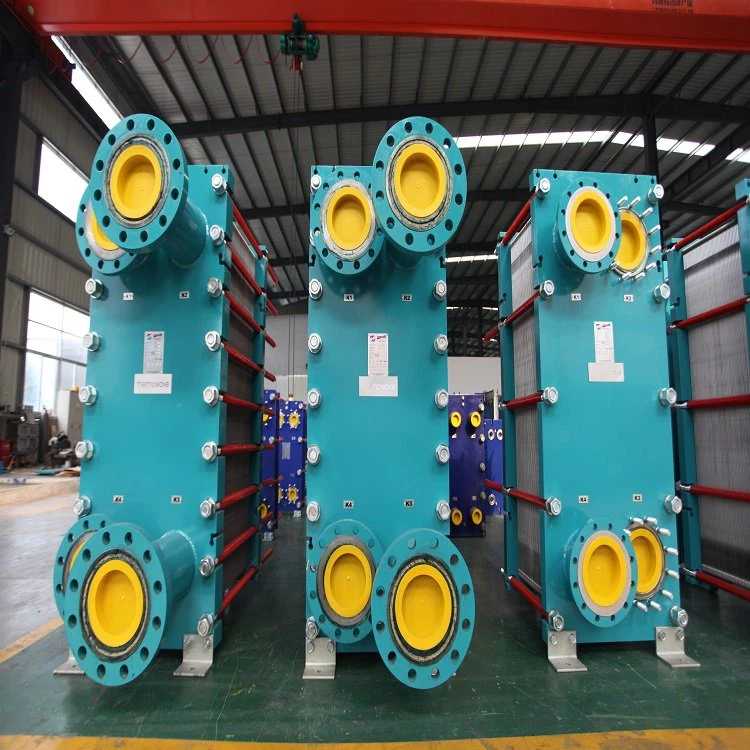
First things first, let's talk a bit about what Plate-Frame Type equipment is. It's a type of heat exchanger that consists of a series of plates held together in a frame. These plates create a large surface area for heat transfer between two fluids. The design allows for efficient heat exchange, making it a popular choice in various industries.
One of the key advantages of Plate-Frame Type equipment is its modularity. You can easily add or remove plates to adjust the heat transfer capacity according to your needs. This flexibility is a big plus, especially for small-scale production where requirements might change over time.
Advantages for Small-Scale Production
Cost-Effectiveness
For small-scale producers, cost is always a major concern. Plate-Frame Type equipment is generally more affordable compared to some other types of heat exchangers, like the Plate-shell Type. The initial investment is lower, and the maintenance costs are also relatively reasonable. Since small-scale operations usually have limited budgets, this cost-effectiveness can be a game-changer.
Space Efficiency
Small-scale production facilities often have limited space. Plate-Frame Type equipment is compact and can be easily installed in tight spaces. Unlike some bulky heat exchangers, it doesn't take up a lot of floor area, which is a huge advantage for small workshops or factories.
Easy to Clean and Maintain
In small-scale production, downtime for maintenance can have a significant impact on the bottom line. Plate-Frame Type equipment is relatively easy to disassemble, clean, and inspect. You can quickly access the plates and remove any deposits or contaminants, ensuring optimal performance. This ease of maintenance means less downtime and more productivity.
Customizability
Small-scale producers often have unique requirements. Plate-Frame Type equipment can be customized to meet specific needs. You can choose the number of plates, the material of the plates, and the flow configuration. This customizability allows you to design a heat exchanger that perfectly suits your production process.
Challenges and Considerations
Flow Rate Limitations
One of the potential challenges of using Plate-Frame Type equipment in small-scale production is the flow rate limitations. Since the plates are relatively thin, they can be prone to clogging if the fluid contains a lot of solids or debris. This means you need to have proper filtration systems in place to ensure smooth operation.
Pressure Drop
Another consideration is the pressure drop across the heat exchanger. Plate-Frame Type equipment typically has a higher pressure drop compared to some other types of heat exchangers. This can require additional pumping power, which can increase energy costs. However, with proper design and selection, this issue can be minimized.
Compatibility with Fluids
Not all fluids are suitable for use with Plate-Frame Type equipment. Some fluids may be corrosive or abrasive, which can damage the plates over time. It's important to carefully consider the compatibility of the fluids with the material of the plates and take appropriate measures to protect the equipment.
Real-World Examples
Let's take a look at some real-world examples of small-scale production using Plate-Frame Type equipment.
Craft Breweries
Craft breweries are a great example of small-scale production that can benefit from Plate-Frame Type equipment. In the brewing process, heat exchange is crucial for cooling the wort after boiling. Plate-Frame Type heat exchangers can efficiently transfer heat from the hot wort to a cooling medium, such as water or glycol. The modular design allows breweries to easily adjust the heat transfer capacity as their production volume grows.
Food Processing
Small food processing plants also use Plate-Frame Type equipment for various applications, such as pasteurization and cooling. For example, in the production of fruit juices, Plate-Frame Type heat exchangers can be used to heat the juice to a specific temperature to kill bacteria and then cool it down quickly to preserve the flavor and nutrients. The customizability of the equipment allows food processors to meet the strict quality and safety standards.
Conclusion
So, can Plate-Frame Type equipment be used for small-scale production? The answer is a resounding yes! It offers many advantages, such as cost-effectiveness, space efficiency, easy maintenance, and customizability. However, it's important to be aware of the potential challenges and take appropriate measures to address them.
If you're a small-scale producer looking for a reliable and efficient heat exchanger, I encourage you to consider Plate-Frame Type equipment. As a supplier, I have the expertise and experience to help you choose the right equipment for your specific needs. Whether you're in the brewing, food processing, or any other industry, we can work together to design a solution that meets your requirements and fits your budget.
If you're interested in learning more or discussing your project in detail, feel free to reach out to us. We're here to assist you every step of the way. Let's start a conversation and see how Plate-Frame Type equipment can enhance your small-scale production.
References
- Incropera, F. P., & DeWitt, D. P. (2002). Fundamentals of Heat and Mass Transfer. John Wiley & Sons.
- Kakac, S., & Liu, H. (2002). Heat Exchangers: Selection, Rating, and Thermal Design. CRC Press.