

As a supplier of Plate - Frame Type equipment, I often encounter inquiries from customers about whether our products can support continuous operation. This is a crucial question, especially for industries that rely on a seamless and uninterrupted production process. In this blog post, I'll delve into the capabilities of Plate - Frame Type equipment in continuous operation, comparing it with other types like the Plate - shell Type, and provide insights for potential buyers.
Understanding Plate - Frame Type Equipment
Before discussing continuous operation, it's essential to understand what Plate - Frame Type equipment is. Plate - Frame Type equipment typically consists of a series of plates stacked together in a frame. These plates create a large surface area for heat transfer or other processes, depending on the application. The design allows for efficient heat exchange, as fluids flow between the plates in a counter - current or parallel - flow pattern.
One of the key advantages of Plate - Frame Type equipment is its modularity. The plates can be easily added or removed to adjust the heat transfer capacity according to the requirements of the process. This flexibility makes it suitable for a wide range of industries, including chemical, food and beverage, and HVAC.
Factors Affecting Continuous Operation
1. Material and Construction
The materials used in the construction of Plate - Frame Type equipment play a significant role in its ability to operate continuously. High - quality materials, such as stainless steel or titanium, are often used to resist corrosion and wear. These materials can withstand the harsh conditions of continuous operation, including high temperatures and pressures.
For example, in a chemical processing plant, where corrosive chemicals are involved, using stainless steel plates can ensure the equipment's longevity and prevent leaks. The construction of the plates and the frame also needs to be robust to withstand the mechanical stress during continuous operation.
2. Sealing Mechanism
The sealing mechanism is another critical factor. Plate - Frame Type equipment typically uses gaskets to seal the gaps between the plates. These gaskets need to be made of materials that can withstand the operating conditions, such as temperature, pressure, and chemical compatibility.
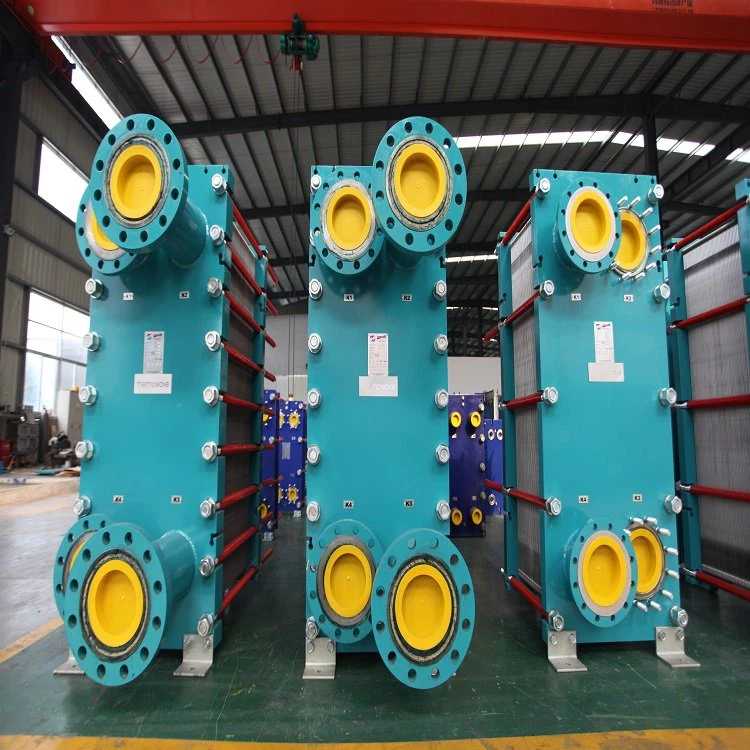
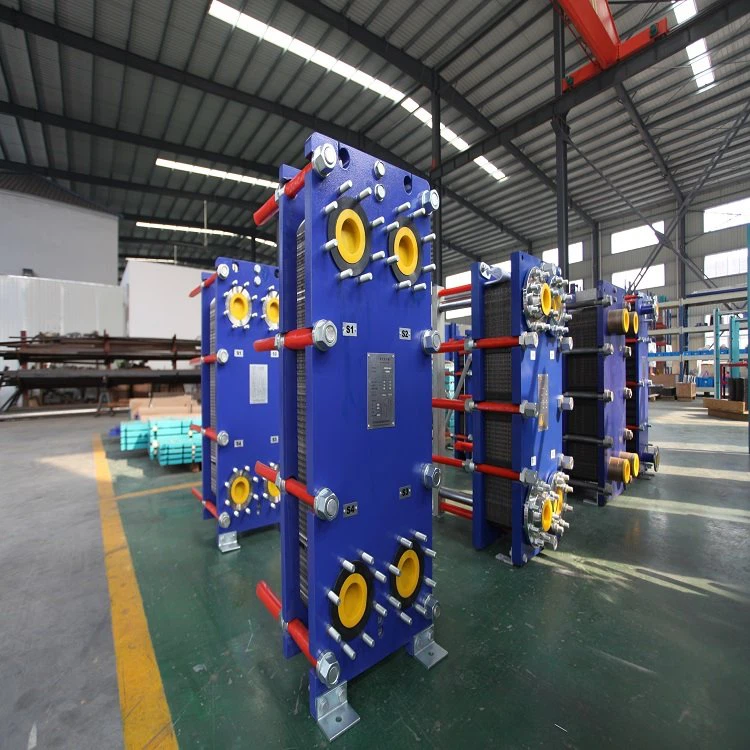
Over time, the gaskets may wear out, leading to leaks. Regular inspection and replacement of the gaskets are necessary to ensure continuous operation. Some advanced Plate - Frame Type equipment uses welded or semi - welded designs to eliminate the need for gaskets, which can improve the reliability of continuous operation.
3. Maintenance Requirements
Like any equipment, Plate - Frame Type equipment requires regular maintenance to operate continuously. This includes cleaning the plates to remove fouling, which can reduce the heat transfer efficiency. Fouling can occur due to the deposition of solids, scaling, or biological growth on the plate surfaces.
Proper maintenance schedules need to be established to ensure that the equipment is inspected, cleaned, and repaired as needed. This may involve shutting down the equipment periodically, but with proper planning, the downtime can be minimized.
Comparison with Plate - shell Type Equipment
The Plate - shell Type equipment is another option for heat transfer applications. While both Plate - Frame Type and Plate - shell Type equipment are used for similar purposes, they have some differences in terms of continuous operation.
1. Structural Integrity
Plate - shell Type equipment generally has a more robust structure compared to Plate - Frame Type. The plates are enclosed in a shell, which provides additional protection and support. This makes Plate - shell Type equipment more suitable for high - pressure applications and can often operate continuously without the need for frequent gasket replacements.
2. Heat Transfer Efficiency
In terms of heat transfer efficiency, Plate - Frame Type equipment can be more efficient in some cases. The large surface area of the plates allows for better heat exchange. However, Plate - shell Type equipment may have a more uniform flow distribution, which can also contribute to good heat transfer performance during continuous operation.
3. Maintenance Complexity
Plate - shell Type equipment is often more difficult to maintain compared to Plate - Frame Type. The enclosed structure makes it harder to access the plates for cleaning and inspection. On the other hand, Plate - Frame Type equipment's modular design allows for easier maintenance, as the plates can be easily removed and cleaned.
Case Studies: Continuous Operation of Plate - Frame Type Equipment
1. Food and Beverage Industry
In the food and beverage industry, continuous operation is crucial to meet the high - volume production requirements. Plate - Frame Type equipment is widely used for pasteurization, cooling, and heating processes.
For example, in a dairy processing plant, Plate - Frame Type heat exchangers are used to pasteurize milk. The equipment operates continuously to ensure a consistent supply of pasteurized milk. The modular design allows the plant to adjust the heat transfer capacity as the production volume changes.
2. Chemical Industry
In the chemical industry, Plate - Frame Type equipment is used for various processes, such as heat recovery and reaction heating. A chemical plant may have a continuous production process, where the Plate - Frame Type heat exchanger is used to transfer heat between different chemical streams.
By using high - quality materials and proper maintenance, the equipment can operate continuously for long periods. However, the chemical compatibility of the materials and the sealing mechanism need to be carefully considered to prevent any leaks or contamination.
Strategies for Ensuring Continuous Operation
1. Monitoring and Control
Implementing a monitoring and control system is essential for continuous operation. This system can monitor parameters such as temperature, pressure, flow rate, and heat transfer efficiency. By continuously monitoring these parameters, any deviations from the normal operating conditions can be detected early, allowing for timely corrective actions.
For example, if the pressure in the Plate - Frame Type equipment starts to increase, it may indicate a blockage in the plates. The monitoring system can send an alarm, and the operator can take steps to clean the plates before a serious problem occurs.
2. Spare Parts Management
Maintaining an inventory of spare parts is crucial for minimizing downtime during continuous operation. Spare plates, gaskets, and other critical components should be readily available. This ensures that any faulty parts can be quickly replaced, reducing the time required for maintenance.
3. Training and Operator Competence
The operators of the Plate - Frame Type equipment need to be well - trained. They should have a good understanding of the equipment's operation, maintenance requirements, and safety procedures. Regular training programs can help operators stay updated on the latest best practices and ensure that the equipment is operated correctly.
Conclusion
In conclusion, Plate - Frame Type equipment can be used for continuous operation, provided that the right factors are considered. With proper material selection, sealing mechanisms, and maintenance strategies, it can offer reliable and efficient heat transfer in a variety of industries.
Compared to Plate - shell Type equipment, Plate - Frame Type has its own advantages and disadvantages in terms of continuous operation. However, its modularity and flexibility make it a popular choice for many applications.
If you are considering purchasing Plate - Frame Type equipment for your continuous operation needs, I encourage you to contact us for more information. Our team of experts can help you select the right equipment and provide you with the necessary support for its installation and maintenance.
References
- Incropera, F. P., & DeWitt, D. P. (2002). Fundamentals of Heat and Mass Transfer. John Wiley & Sons.
- Green, D. W., & Perry, R. H. (2007). Perry's Chemical Engineers' Handbook. McGraw - Hill.
- Kakac, S., & Liu, H. (2002). Heat Exchangers: Selection, Rating, and Thermal Design. CRC Press.