

In high-temperature applications, heat exchangers play a crucial role in various industries, such as chemical processing, power generation, and oil and gas. The gaskets used in these heat exchangers are essential components that ensure the efficient and safe operation of the equipment. As a Heat Exchanger Gasket supplier, I understand the importance of meeting the specific performance requirements for gaskets in high-temperature environments. In this blog post, I will discuss the key performance requirements for heat exchanger gaskets in high-temperature applications.
Thermal Resistance
One of the most critical performance requirements for heat exchanger gaskets in high-temperature applications is thermal resistance. Gaskets must be able to withstand elevated temperatures without losing their sealing properties or degrading. High temperatures can cause gaskets to harden, shrink, or become brittle, leading to leaks and reduced efficiency.
To ensure thermal resistance, gaskets are often made from materials with high heat resistance, such as [specific high - heat - resistant materials]. These materials can maintain their flexibility and sealing performance at temperatures well above normal operating conditions. For example, some advanced silicone - based gaskets can withstand temperatures up to [X] degrees Celsius, making them suitable for use in extreme high - temperature heat exchangers.
Our Heat Exchanger Gasket products are carefully engineered to have excellent thermal resistance. We use state - of - the - art materials and manufacturing processes to ensure that our gaskets can perform reliably in high - temperature environments, providing long - term sealing solutions for heat exchangers.
Chemical Compatibility
In addition to thermal resistance, chemical compatibility is another vital requirement for heat exchanger gaskets in high - temperature applications. Heat exchangers often handle a variety of chemicals, and gaskets must be able to resist chemical attack without deteriorating. Chemicals can react with gasket materials, causing swelling, corrosion, or other forms of degradation.
When selecting gaskets for high - temperature and chemical - rich environments, it is essential to consider the specific chemicals involved. For instance, in a chemical processing plant where acids and alkalis are present, gaskets made from materials like [chemical - resistant materials] are preferred. These materials have excellent resistance to a wide range of chemicals, ensuring that the gaskets remain intact and functional over time.
Our Plate Heat Exchanger Gasket products are designed to be chemically compatible with a broad spectrum of substances. We conduct extensive chemical compatibility testing to ensure that our gaskets can withstand the harsh chemical environments commonly encountered in high - temperature heat exchanger applications.
Compressibility and Resilience
Compressibility and resilience are important properties for heat exchanger gaskets. Compressibility allows the gasket to conform to the surface irregularities of the heat exchanger flanges, creating a tight seal. Resilience, on the other hand, enables the gasket to recover its original shape after compression, maintaining the sealing force over time.
In high - temperature applications, the compressibility and resilience of gaskets can be affected by thermal expansion and contraction. Gaskets need to be able to adapt to these changes without losing their sealing ability. For example, when the temperature rises, the gasket may expand slightly, and it should still be able to maintain a proper seal.
Our gaskets are engineered to have optimal compressibility and resilience. Through advanced material selection and manufacturing techniques, we ensure that our gaskets can effectively seal heat exchanger flanges even under the influence of high temperatures and thermal cycling. This helps to prevent leaks and ensures the efficient operation of the heat exchanger.
Pressure Resistance
High - temperature applications often involve high pressures as well. Heat exchanger gaskets must be able to withstand the pressure exerted within the heat exchanger without blowing out or failing. Pressure can cause gaskets to deform or lose their sealing integrity, leading to safety hazards and equipment damage.
The pressure resistance of a gasket depends on several factors, including the material, design, and installation method. Gaskets made from high - strength materials and with proper designs can better withstand high pressures. For example, some metal - reinforced gaskets are specifically designed for high - pressure and high - temperature applications, providing enhanced pressure resistance.
As a Heat Exchanger Gasket supplier, we offer a range of gaskets with different pressure - resistance capabilities. Our technical team can help customers select the most suitable gasket based on the specific pressure requirements of their heat exchanger applications.
Sealability
The primary function of a heat exchanger gasket is to provide a reliable seal. In high - temperature applications, maintaining sealability is even more challenging due to the combined effects of heat, pressure, and chemical exposure. A good seal prevents the leakage of fluids, whether it is a liquid or a gas, from the heat exchanger.
To ensure excellent sealability, our gaskets are precision - manufactured to meet strict quality standards. We use advanced sealing technologies and surface treatments to enhance the contact between the gasket and the heat exchanger flanges. This helps to create a tight and durable seal that can withstand the rigors of high - temperature operation.
Long - Term Durability
Long - term durability is a key consideration for heat exchanger gaskets in high - temperature applications. Gaskets need to have a long service life to reduce maintenance costs and downtime. High - temperature environments can accelerate the aging process of gaskets, so it is important to choose gaskets that are resistant to thermal aging.
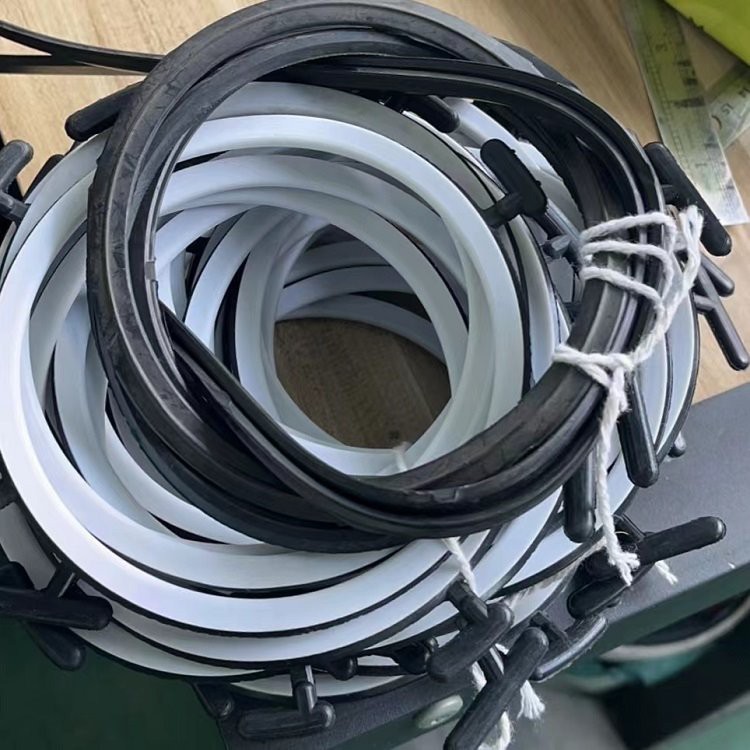

Our Epdm Rubber Seal products are known for their long - term durability. EPDM rubber has excellent resistance to heat, ozone, and weathering, making it a suitable material for high - temperature heat exchanger gaskets. We also conduct extensive durability testing to ensure that our gaskets can perform reliably over an extended period.
Conclusion
In conclusion, heat exchanger gaskets in high - temperature applications must meet a variety of performance requirements, including thermal resistance, chemical compatibility, compressibility and resilience, pressure resistance, sealability, and long - term durability. As a Heat Exchanger Gasket supplier, we are committed to providing high - quality gaskets that meet these demanding requirements. Our products are designed and manufactured using the latest technologies and materials to ensure reliable performance in high - temperature and harsh environments.
If you are in need of heat exchanger gaskets for your high - temperature applications, we invite you to contact us for more information. Our experienced sales team and technical experts are ready to assist you in selecting the most suitable gaskets for your specific needs. We look forward to the opportunity to work with you and provide you with the best sealing solutions for your heat exchangers.
References
- [Author's Last Name, First Name]. "High - Temperature Gasketing Materials for Heat Exchangers." Journal of Heat Exchanger Technology, [Year of Publication], Vol. [Volume Number], pp. [Page Range].
- [Author's Last Name, First Name]. "Chemical Compatibility of Gaskets in High - Temperature Chemical Processes." Chemical Engineering Journal, [Year of Publication], Vol. [Volume Number], pp. [Page Range].
- [Author's Last Name, First Name]. "Pressure and Thermal Performance of Heat Exchanger Gaskets." International Journal of Thermal Sciences, [Year of Publication], Vol. [Volume Number], pp. [Page Range].